
Residential building owners and property managers know that securing reliable and respectful tenants requires an investment of time and resources. The mistake lies in thinking the job ends with the signing of the lease. According to recent studies from property management company Zego, resident turnover can cost owners an average of $4,000 per unit. While some turnover such as relocation to a new city or a growing family cannot be avoided, the most common reasons that residents leave are entirely preventable.
According to Zego, the top factors that renters cited when making their choice to renew were maintenance and repairs, security and appearance. The answer to retention isn’t a swimming pool or a luxury fitness facility; it is the implementation of thoughtful building upgrades that elevate daily experiences and reinforce a sense of care and security.
The Art of the Lobby: Setting the Tone
To start, take a close look at your communal areas. Visually appealing and functional common spaces set the tone for your entire building and directly influence perceived value. When helping clients evaluate potential improvements to their properties, we focus on accessibility, functionality and aesthetics.
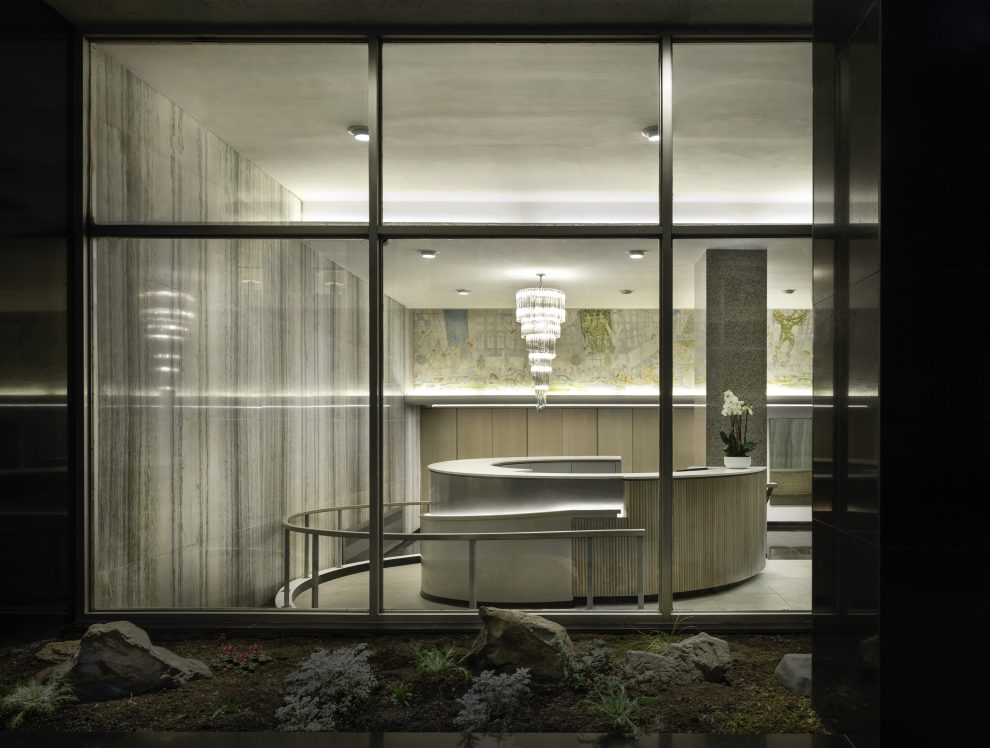
The lobby should be top of your list. After all, it’s the first area that potential tenants see when they visit a building, and it greets existing residents day in and day out as they come and go. The right design can create a brand for the entire building.
That’s why we are seeing building owners increasingly embrace hospitality-inspired lobby designs with durable yet refined finishes, elevated lighting and tailored artwork. For historic properties, a thoughtful restoration that preserves original details such as flooring or plasterwork can strengthen the building’s authenticity and charm.
Don’t forget that security is another primary factor on tenants’ wish lists. People want their homes to make them feel safe and in control. We recommend that building owners prioritize upgrading their concierge station and modernize their security systems. Additionally, with the rise of daily package deliveries, secure and well-organized package storage areas have become essential.
Lighting is also critical: a bright and evenly lit space helps residents clearly see who is entering and exiting and conveys that the building is well-maintained and monitored. This communicates a level of care and attention on a subconscious level. Safety also means making a space functional for all, by meeting or exceeding ADA standards with accessible doorways, smooth transitions and ramps. These enhancements signal that the building is responsive to all residents’ needs.
In-Unit Upgrades: The Foundations of Comfort and Efficiency
At the end of the day, a lease renewal is an intentional choice to renew one’s day-to-day routines. Your tenants are more likely to stay when their personal spaces make their daily lives easier and more comfortable. The most effective in-unit improvements that owners can make are those that increase comfort, efficiency and day-to-day usability.
One of the biggest ways we start to tackle in-unit improvements is by looking at an apartment’s layout and spatial planning. Optimizing the natural flow of an apartment space can have a major impact on both its feel and its usability.
In many older buildings, dark and compartmentalized layouts hinder movement between living spaces, create a claustrophobic atmosphere, and severely limit access to natural light. Bringing in an architectural partner to strategically rework floor plans ensures each unit lives up to its potential, helping keep tenants satisfied for longer.
Once again, lighting is foundational to creating open, calm and inviting interiors. In addition to optimizing access to natural light sources, we consider strategies such as widening existing window frames to further increase connectivity to the outdoors.
When it comes to artificial lighting, a layered approach is essential for both functionality and ambiance. Ambient lighting provides overall illumination, ensuring that spaces feel bright and open without being harsh, while task lighting is critical in work areas such as kitchens and home offices. One tactic we use to enhance the sense of openness is minimal cove lighting, which subtly tricks the eye into perceiving ceilings as higher than they really are.
In space-cramped markets like New York City, residents face a classic dilemma when selecting where to live: storage or living space? For us, solving this problem goes hand-in-hand with our spatial planning process. One strategy we use is to implement a core structure in the center of a unit, which provides an elegant solution for enclosing mechanical systems, coat storage and more, leaving perimeter spaces open for natural walkways and access to surrounding views.
We also evaluate other opportunities for hidden storage — in built-in kitchen islands, banquettes, entry halls and more. A creative approach to optimizing storage space without sacrificing precious living space can help your occupants enjoy the best of both worlds.
Most importantly, focus your attention on spaces where your residents spend the most of their time. The kitchen has evolved from a purely utilitarian area for food preparation into a multifunctional space where family members and guests naturally gather. Upgrading appliances, refreshing finishes and even making small improvements like hardware and lighting can go a long way in elevating the experience. Bathrooms, meanwhile, need to serve as personal retreats where residents relax, rejuvenate and reset. Thoughtful renovations like warm lighting, floor-to-ceiling showers and spa-inspired finishes can create a serene environment that enhances comfort and well-being.
Materials Matter: Sourcing Smarter
For common spaces and individual units, choose materials thoughtfully: they will set the tone for both style and lasting performance. When selecting materials, we consider both the character of the building and the desired atmosphere, carefully evaluating options that balance aesthetic goals with long-term performance.
Our priority is durable, high-quality materials suited to the level of traffic in each space, with a preference for sustainably and locally sourced options whenever possible. Well-crafted materials maintain a fresh, “new” appearance far longer than lower-quality alternatives, standing up to daily wear with minimal deterioration and reducing the need for frequent upkeep. While these selections may involve a higher upfront investment, they pay off over time through lower maintenance costs, fewer replacements and a longer overall lifespan.
Creating Spaces of Refuge
The demands of modern society can be exhausting, and our shared goal as architects and building managers should be to shape spaces that provide a sense of refuge for residents. By thoughtfully designing common spaces and private residences that optimize comfort and day-to- day functionality, we can create environments that foster a lasting sense of security and encourage long-term tenancy. An intentional approach to upgrades can transform properties from places to live into places that truly feel like home.