
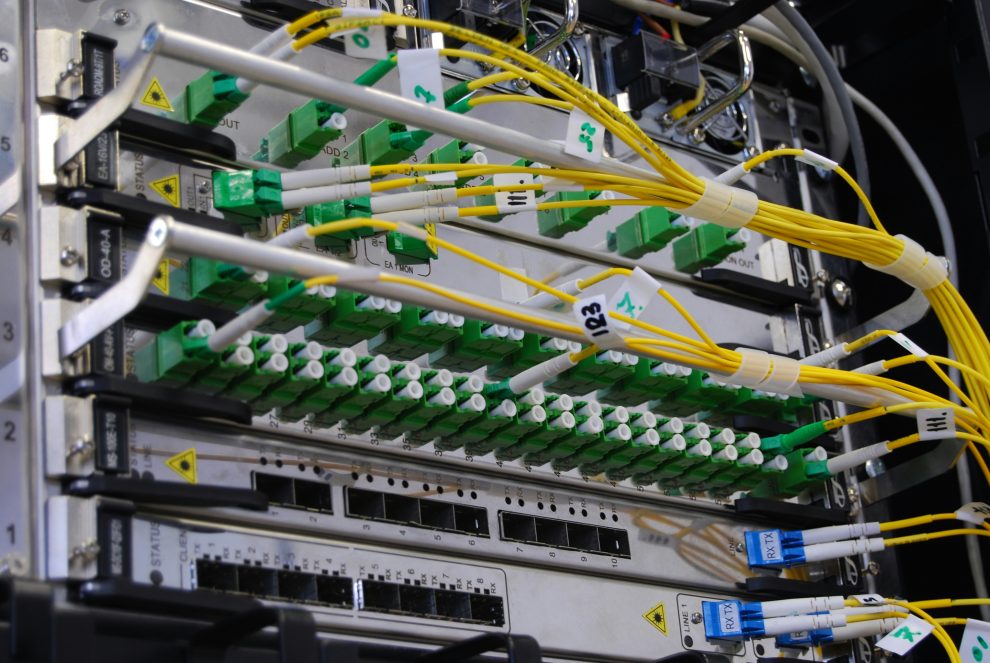
For decades, real estate professionals have understood the economic importance of physical infrastructure: HVAC systems, roofi ng, elevators and electrical. These systems are monitored, maintained and budgeted for with precision. Yet another critical infrastructure layer runs through modern buildings, but with far less strategic oversight: connectivity.
High-speed internet has quietly become the fourth utility. According to the National Multifamily Housing Council, it now ranks among the top three amenities renters prioritize when choosing a property. For homeowners associations and condominium boards, the quality and cost of connectivity directly affect monthly assessments and property marketability.
And yet, most communities approach telecom procurement as an administrative afterthought rather than a strategic financial decision.
The fundamental challenge facing property managers and board members is information asymmetry. When negotiating with telecom providers, most communities are flying blind. They do not know what market terms are achievable because they negotiate these agreements once every five to 10 years. The providers, meanwhile, negotiate thousands of contracts annually.
This disparity shows up in the economics. We regularly encounter communities locked into outdated bulk video contracts while residents pay separately for internet, a double-payment scenario that benefits no one but the incumbent provider. We also see properties with aging coaxial infrastructure when fiber-to-the-home has become the standard for competitive communities. Then, of course, there are agreements with automatic renewal clauses and above-market annual escalators that compound silently year after year.
The result is millions of dollars in unnecessary costs and communities stuck with subpar service while their competitors upgrade.
One of the most effective strategies we have seen involves aggregating demand across multiple properties. When a single 100-unit community goes to market for connectivity services, they have limited negotiating power. But when five, 10 or 20 communities combine their procurement, even across different markets, the economics shift dramatically.
Providers value scale and certainty. A portfolio representing thousands of units creates competitive tension that simply does not exist in single-property negotiations. We have seen this approach deliver fiber upgrades, six-figure signing incentives, extended complimentary service periods and rate structures that would be impossible for individual properties to achieve on their own.
This is not theoretical, and the financial impact can be substantial. A 324-unit condominium community in Palm Springs, Fla. recently leveraged a formal RFP process to secure a new fiber agreement that delivers over $200,000 in annual savings, representing more than $5 million in total value over the contract term. The board had no idea these terms were achievable until they saw competitive proposals side by side.
Even the most capable property managers and board members can face limitations when navigating telecom procurement. It requires specialized knowledge that includes understanding technology roadmaps, evaluating provider financial stability, structuring service level agreements and knowing which contract terms are negotiable versus standard.
A dedicated advisor brings market intelligence that individual properties cannot access. They know which providers are expanding in which markets, what competitive pressures are shaping pricing and where there is room to negotiate. They can run a proper RFP process, manage provider relationships and ensure that the community understands the trade-offs between different service models.
Most importantly, an advisor can do the work that busy property managers and volunteer board members simply do not have time for: analyzing current contracts, identifying inefficiencies, managing the transition process and providing ongoing advocacy throughout the agreement term. The cost of that expertise is typically off set many times over by the value it unlocks.
The properties that treat connectivity as core infrastructure, rather than a commodity service, are pulling ahead. They are delivering better resident experiences at lower cost. They are future-proofing their buildings for the next wave of technology, from smart building systems to AI-powered amenities. And they are capturing the economic value that others leave on the table.
For real estate professionals, the question is no longer whether connectivity matters. It is whether your community is capturing its full value — or quietly giving it away.
Maz Khan
President
Vitalis Smart Communities
40 SW 13th St., PH3
Miami, FL 33130