
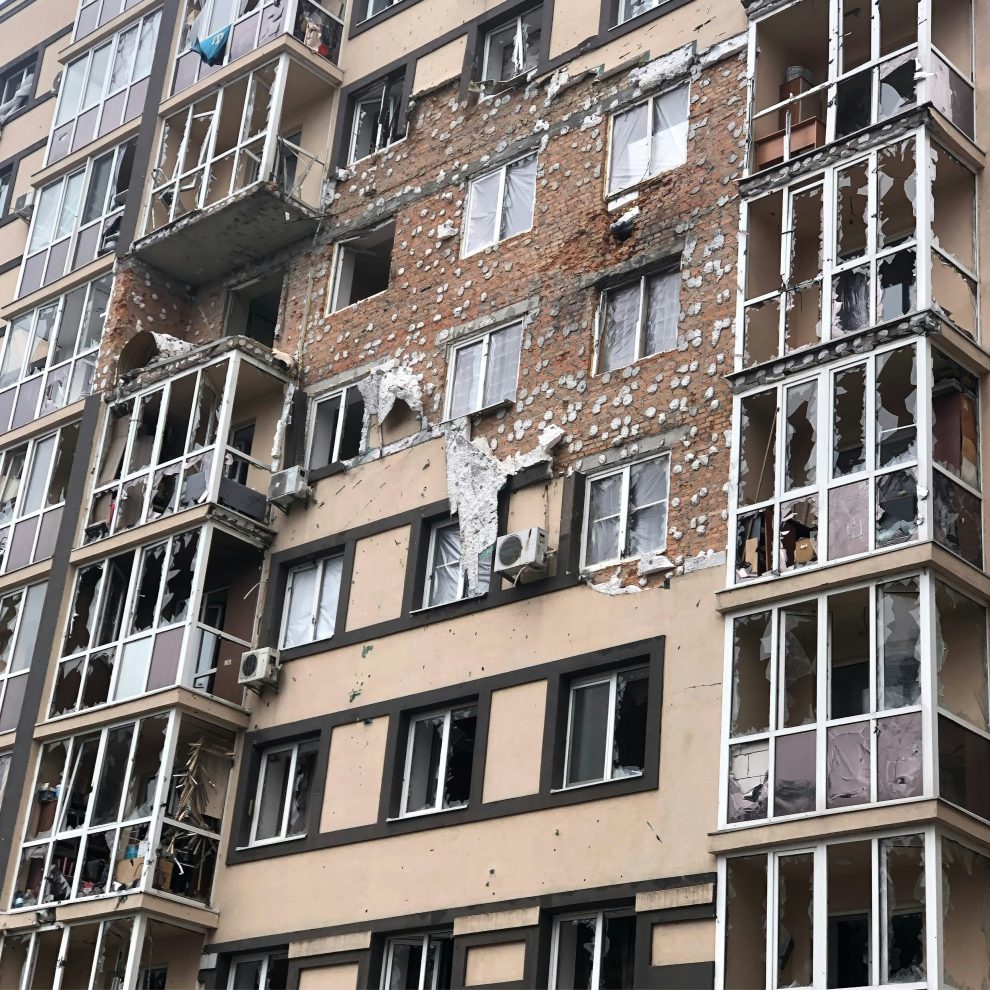
A catastrophic fire. A burst pipe flooding multiple floors. A structural failure that displaces dozens of residents overnight. Few events are more disorienting for a property owner or manager than a large-scale building loss. The insurance claim process is unfamiliar to most people, and when it is layered on top of the trauma of the loss itself, the path forward can feel overwhelming. But with the right framework in place, the process, while never easy, can be navigated with clarity and confidence.
Step One: Safety First, Then Your Broker
The first call after any threatening event must go to first responders — fire, ambulance or police, depending on the situation. Once the scene is secure, your second call should be to your insurance broker. This critical step is often underestimated. A broker does more than open a claim: they help engage a qualified insurance adjuster, can recommend vetted restoration contractors and begin coordinating the moving parts of a complex loss.
In some municipalities, emergency social services will be activated for catastrophic events, providing displaced residents with temporary shelter, transportation, clothing and meal vouchers while longer-term solutions are arranged.
Know Who Will Be in the Room
One of the most confusing aspects of a large loss is the number of professionals who suddenly appear on site. Understanding each party’s role will reduce friction and help everyone work toward the same goal.
- The insurance adjuster acts as the central coordinator of the claim, liaising between all parties and managing the process from initial assessment to resolution.
- Cause and origin experts are retained — particularly for fires — to independently determine what caused the loss. The scene must be preserved until all parties have completed their investigation, as this may affect whether third-party recovery (subrogation) is possible.
- Restoration contractors begin mitigation and cleanup. The property owner chooses the contractor, but insurers typically require estimates from two to four established firms, at least two of which come from their preferred network. Not all general contractors are equipped to manage projects of this scale.
- Construction consultants and engineers may be retained by insurers to plan demolition, develop scopes of work and administer the tender process. The strata or condo corporation may retain independent experts as well.
- The municipality is primarily involved in issuing work and occupancy permits, which can significantly affect project timelines.
The Repair Process: Phases and Priorities
Large-loss restoration is typically divided into phases: initial mitigation (stabilizing the site and preventing further damage), demolition, expedited repairs to restore critical systems like the roof or fire separations and final full repairs. Each phase may be tendered separately depending on the damage, weather risk and permit logistics. Throughout this process, the scope of work must be understood and agreed upon by all parties — the strata corporation, the adjuster, the appraiser and the insurers — before work begins.
Communication: The Backbone of Recovery
Clear, proactive communication is an operational necessity. In the first 72 hours, key stakeholders including the property manager, adjuster and restoration firm should meet on site. By days four through seven, regular site meetings or conference calls should be underway. Between days seven and 14, a broader stakeholder meeting should be held to review status and process. After that, progress is measured in milestones — demolition complete, scope agreed, contractor selected, occupancy regained — with scheduled calls every 15 to 45 days to track each.
For residents, town hall meetings play a vital role. Ideally held at key milestones throughout the process, they give displaced owners and tenants a direct line to the people managing their recovery. The first meeting will likely be emotionally charged and relatively vague on details; subsequent meetings will grow more technical as the restoration plan takes shape. Recording meetings or distributing written summaries afterward ensures that those who cannot attend still receive critical updates.
What Residents Need to Know
One of the most important distinctions in any building loss is the boundary between what the building’s insurance covers and what falls to the individual. The strata or condo policy typically covers the physical structure, original finishes and common areas. Owners and tenants need their own personal insurance to cover contents, unit upgrades or betterments, additional living expenses while displaced and rental income loss. Residents without personal insurance should notify the adjuster promptly — some policies include contingent additional living expenses coverage for uninsured unit owners. Vehicles damaged in or around the building are not covered by the strata’s policy and must be claimed through individual automobile insurance.
Preparation Makes the Difference
No property owner wants to face a catastrophic loss. But having a clear understanding of the claim process, the professionals involved and the communication expectations that come with a large loss can transform an overwhelming experience into a manageable one. The most effective recovery efforts are built on transparency, early engagement with qualified professionals and a consistent commitment to keeping all stakeholders informed.
Frank DeLucia
Executive Vice President
Hub International Northeast
frank.delucia@hubinternational.com
(212)338-2395