




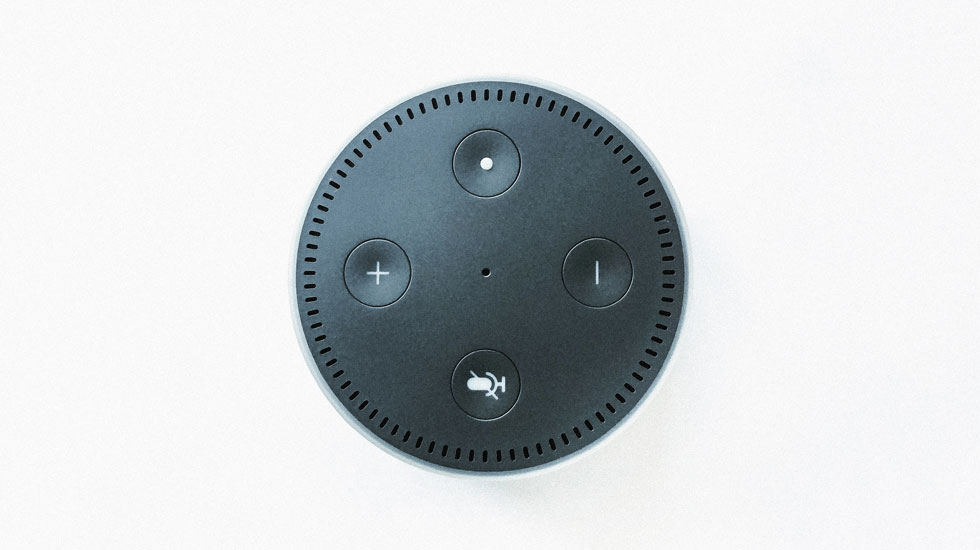
Last month, we discussed Amazon—its influence, what its giant status means for real estate, and more importantly, what all that means for New York. Since then, Amazon has narrowed down its list of potential cities for its second headquarters (HQ2) to 20. In a bidding war reminiscent of a winner-takes-all-50,000-new-jobs Hunger Games, each respective city is giving it their all to attract the retail giant to its streets. Of course, what comes next is anybody’s guess at this point, as Amazon has proven to be nothing if not unpredictable in its unprecedented HQ2 process. So the big question is, where will Amazon’s first hub outside of Seattle be?
Well, it depends who you ask. According to Jeff Holzmann, managing director of investment network iintoo, it likely won’t be New York, despite the metropolis’ appearance on Amazon’s shortlist. “Amazon is likely to choose a smaller city that will feel the impacts of its presence,” Holzmann said. “The reason is based mostly on congestion, population, and traffic flow. Amazon can’t afford to move into an area that its potential employees, customers, and suppliers will have a hard time navigating. So the likelihood that Amazon will choose New York City is not high.”
On the other hand, Marty Burger, Urban Land Institute (ULI) New York chairman, seems completely convinced that New York City would be the right pick for Amazon. “It’s not about real estate,” insisted Burger. “It’s about people. There are very few places that can supply 50,000 qualified people. And there’s no better market than New York for that talent.”
Holzmann acknowledges that New York’s status as the melting pot does certainly make it an ideal talent pool, and that its public transportation is also a huge asset, but overall his concerns regarding space remain. Additionally, according to Holzmann, Amazon’s presence in New York City will mean more traffic.
“The reality is that even a huge company like Amazon will be absorbed in a place like Manhattan and be ‘another big company.’ However, if Amazon goes to Brooklyn, or somewhere on the fringe of Long Island, they can get a large parcel of land for attractive prices,” Holzmann added.
New York is certainly putting everything behind its bid, at the very least. “We have a lot to offer them. We’re going to work very hard at it. We’re going to make a strong proposal,” Mayor de Blasio said earlier in the bidding process, despite claims that he himself has never ordered from Amazon. Regardless of the Mayor’s supposed adversity to the company, New York did smatter its skyline with the trademark “Amazon orange” color recently in an attempt to further woo Jeff Bezos and company to its cross streets.
New York City’s proposal is simple, and capitalizes on many of the points that Marty Burger explicated. Firstly, the city claims to have the largest tech workforce in the nation, with an estimated 296,000 ready and able. The city also boasts 105 institutes of higher learning, the largest public transportation system in the area, and four separate neighborhoods that could potentially house HQ2: Midtown West, Long Island City, Brooklyn, and lower Manhattan.
“Amazon wants to be everywhere, and that’s only possible in New York,” continued Burger. “The city has the best possible resources, and everything is only 15-30 minutes apart. Of course, the decision could be a personal one of Amazon’s chairman, but from a talent perspective, and this is a talent issue, New York is the best choice.”
Even Holzmann conceded that much of HQ2’s success will depend on talent: “The biggest concern for Amazon should be failure to attract talent. If they choose to locate HQ2 in a city that gives them superior economic value but fails to attract the relevant talent, they would be forced to settle for a mediocre employee. Over time, the location would be a failure.”
That being said, both experts admit to not being experts when it comes to Amazon. The entire process so far has been unlike any before it, with even small municipalities scrambling to put together a shiny new bid for the retail behemoth.
“What you end up with is cities spending tens of thousands of dollars on these bids,” added Burger. “That left 114 very disappointed municipalities after Amazon announced its Top 20.”
“Amazon is talking about billions of dollars’ worth of economic development being poured into the area over several years,” continued Holzmann. “That’s a good thing for any city and most likely worth the tax incentives and municipal work investments that most cities are offering them. But as in any business, there is a gamble factor here.”
All of this is to say that it’s anyone’s guess when Amazon will finally unveil the location of HQ2, and there could very well be another final round of competitors narrowed down from the already existing Top 20 list. For now, all we can do is wait and see what happens next. And in case you were wondering, Alexa’s not telling either.




Add Comment