
Of more interest are the other parts of the law: allowing individuals over the age of 21 to purchase and consume cannabis and cannabis products, licensing of such cannabis retail establishments and the implementation of a comprehensive regulatory scheme for the cultivation, process, distribution, sale and taxation of cannabis and cannabis products in New York State. These provisions are expected to come on line over the next two years.
Note: the possession, use, sale and distribution of cannabis or cannabis products commonly termed ‘marijuana’ is a federal offense. Under Title 21, section 811 of the United States Code, marijuana is a Schedule 1 controlled substance.
Additionally, cannabis businesses do not have legal access to the national banking system. The U.S. House of Representatives has passed the Secure and Fair Enforcement (SAFE) Banking Act bill. It now awaits Senate action. The SAFE Banking Act would allow national banks to provide banking services to cannabis business in states that have legalized cannabis.
MRTA is intended to capture new tax revenues, but it creates three regulatory schemes — adult use, medical use and cannabinoid (CBD) — and, as with alcohol regulation in New York, largely separates cultivation, sale and distribution and retail into separate operations with distinct ownership. Except for micro-businesses and registered organizations associated with Medicaid, there will be no vertical integration in the New York cannabis market. In addition, the licensing scheme has not been developed. MRTA requires the appointment of a Cannabis Control Board (CCB) and a CCB Executive Director (CCBED). As of this writing, that has not happened.
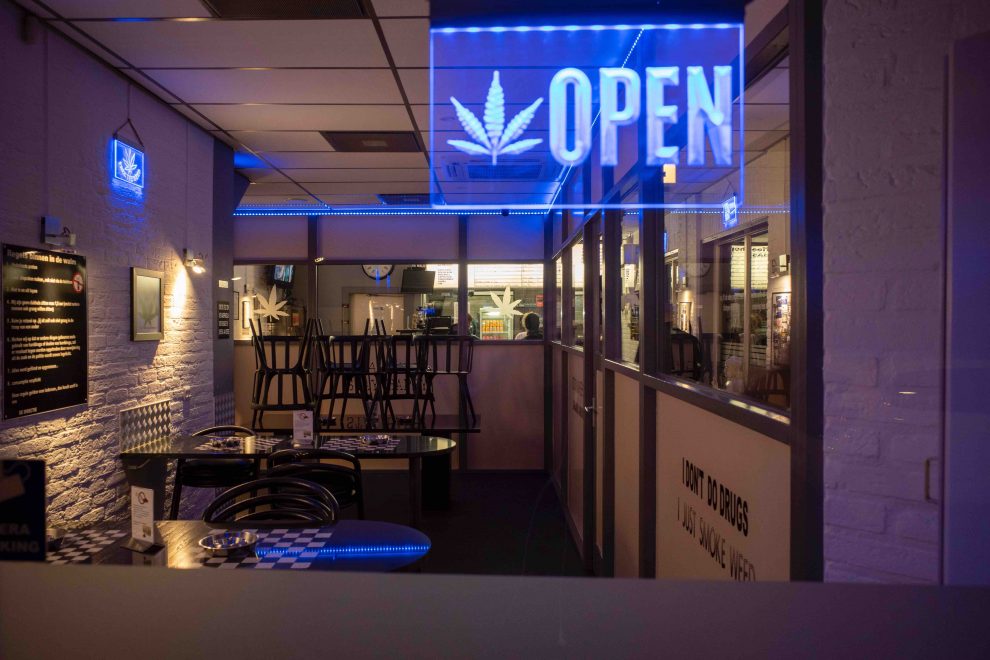
Of greatest interest to residential cooperative and condominium buildings and their managing agents is siting of cannabis businesses. Local towns, villages or cities may opt out of retail and on-site consumption facilities only.
There are notice requirements associated with siting cannabis locations. Local community boards may conduct investigations and hold hearings. Localities may oppose sites or establish zoning requirements if the rules do not make the cannabis business “unreasonably impractical.” Most practitioners believe that cases will be significant. Localities are likely to be able to use zoning rules to manage concentration and “negative secondary impacts.”
Sensitive use restrictions include not siting certain cannabis facilities within 500 feet of a school or 200 feet of a church or synagogue. Other distance requirements for public parks, playgrounds, libraries, day care or substance abuse treatment facilities, among others, may come into play. The CCB will override contrary local laws.
Property owners risk forfeiture of real estate if they knowingly lease to cannabis businesses. This may limit access to real property for cannabis businesses. Siting these businesses, particularly retail and on-site cannabis business, in cooperative buildings will be difficult and the federal law will likely support decisions by boards to refuse such leases for now. Condominiums with independent retail space may find themselves with these facilities in their buildings, without recourse.
There are two other aspects of the MRTA of note. The CCB is mandated to create and enforce a social and economic equity plan to promote diversity in commerce and prioritize minority-, women- and disabled veteran-owned businesses and distressed farmers. Other groups entitled to extra priority include the economically disadvantaged, those convicted of cannabis offense, or their immediate families and members of communities disproportionately impacted by the earlier cannabis prohibitions. Second is a requirement for applicants for cannabis licenses to provide diversity plans for employment, community outreach and practices that will advance the social justice goals of the MRTA. The CCB will assess the effectiveness of the applicant’s diversity plan.
This column presents a general discussion. This column does not provide legal advice. Please consult your attorney for legal advice.
Carol A. Sigmond
Greenspoon Marder LLP
590 Madison Avenue, Suite 1800
New York, NY 10022
carol.sigmond@gmlaw.com
(212) 524-5074