
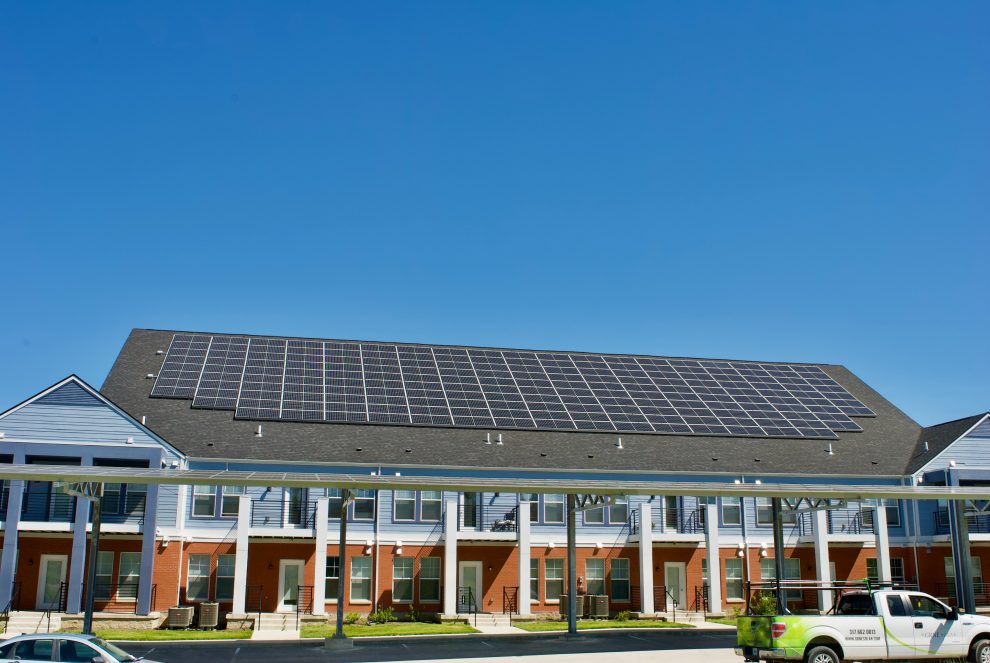
In pursuing a net-zero carbon economy by 2050, the rapidly growing trend of solar carports is gaining traction in urban landscapes. Fueled by reduced solar panel costs, generous tax credits and accelerated depreciation including bonus depreciation, these innovative structures have transformed everyday parking lots into powerful, eco-friendly energy farms. Serving as viable alternatives where conventional roof installations are untenable, solar carports promise a leap toward green energy and lucrative cash flow prospects for parking facility owners.
Solar carports are structures over parking spaces in parking lots with solar panels that generate power. These structures transform existing parking lots into productive power sources, which increases the cash flow for the parking facility owner.
The power generated from such facilities does not involve high interconnection costs since that power is consumed nearby.
Here’s how the solar energy credit works: the credit for energy property placed in service after December 31, 2021, is 6% of the cost of energy property. Solar energy property is equipment that uses solar energy to generate electricity (e.g., solar panels), to heat or cool a structure, to provide hot water for use in a structure and to provide solar process heat. To qualify for the energy credit, the property must meet the following requirements:
1. The construction, reconstruction or erection of the property must be completed by the taxpayer, or the original use of acquired energy property must commence with the taxpayer.
2. Depreciation or amortization must be allowable with respect to the property.
3. The property must meet the performance and quality standards, if any, prescribed by IRS regulations and are in effect at the time of the acquisition of the property.
4. Energy property cannot be part of a facility that received a credit under IRS Code Sec. 45 for producing electricity from renewable sources. This credit is 1.5 cents (adjusted for inflation) for each kilowatt hour of electricity sold by the taxpayer.
However, the Inflation Reduction Act of 2022 increased the above percentage to 8%, and the credit is increased to 30% if the maximum net output of the qualified facility is less than one megawatt, the construction of the facility or technology begins before January 29, 2023, or the facility or technology satisfies prevailing wage and apprenticeship requirements (PWAR) determined by the Secretary of Labor.
The 30% rate is increased to 40% if the qualified facility is in an energy community or if it satisfies domestic content requirements of energy property. For a facility located in a low-income community or on tribal land, there is an additional 10% credit rate. If it is part of a qualified low-income residential building project or economic benefit project, the credit rate increases by 20%.
Joel Berenson, CPA
Tax & Business Partner
Marcum LLP
Boston, MA
joel.berenson@marcumllp.com