
On June 16, 2026, the New York City Building Congress released a report and recommendations concerning health and life sciences infrastructure development in New York City.
The report recommendations track many of the changes being sought in development and construction on affordable housing such as increasing allowable bulk for existing facilities both by application and as-of-right, reducing the ULURP and environmental reviews and allowing research facilities in existing health care locations. Hospitals pose risks that are not associated with affordable housing.
Among other things, the Building Congress report suggests that hospitals should have fewer zoning restrictions. Apparently one such restriction the hospitals want lifted is the controls on the locations of research laboratories.
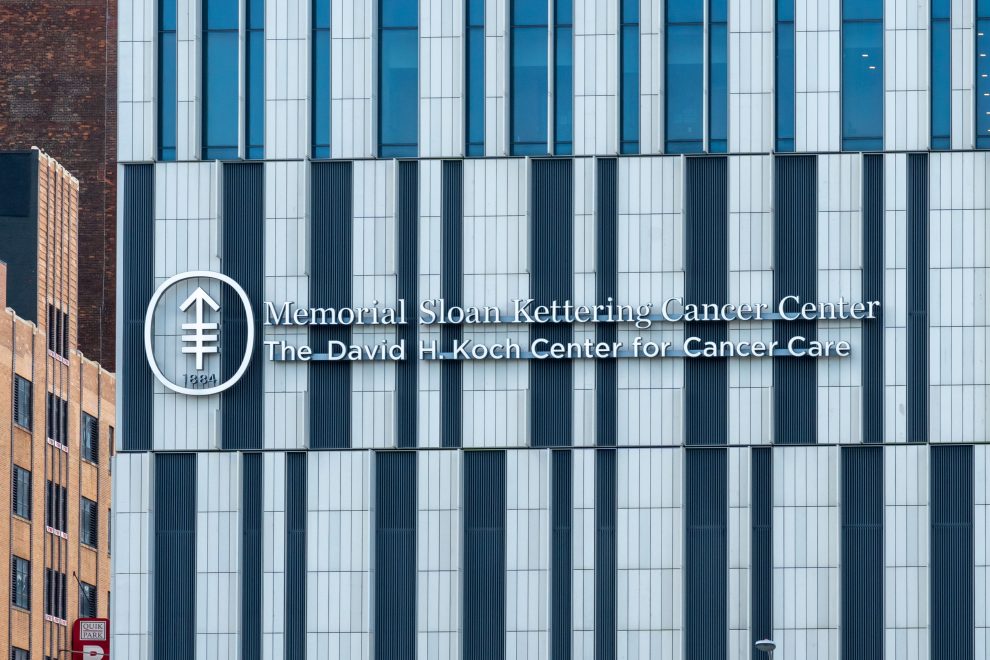
Facially, this may appear uncontroversial, but in existing densely packed neighborhoods like the Upper East Side, all aspects of this initiative need to be carefully considered. The Mortimer B. Zuckerman Research Center which is part of the Memorial Sloan Kettering Cancer Center built approximately 30 years ago may highlight the issues. This facility is 420 feet high, directly opposite a public park, St. Catherine’s. That park is now in permanent partial shadow. It is one of the few public parks located on the Upper East Side of New York City. Nothing was ever done to create additional sunny park spaces for the children living in the area. Additionally, Cytotoxic Chemotherapy Agents and radioactive materials are used and stored within this facility, which is in the most densely populated neighborhood in the world. Neighbors of the new MSK facility at 1st Avenue near 66th and 67th Streets have similar concerns.
Obviously, hospitals need to modernize. Some accommodation needs to be made for modern needs, but whether that accommodation should include laboratories for pure research in the same facility in densely populated neighborhoods requires careful study and consideration of the health and safety of the residents of these neighborhoods.
By Carol A. Sigmond, Partner, Nossaman LLP