




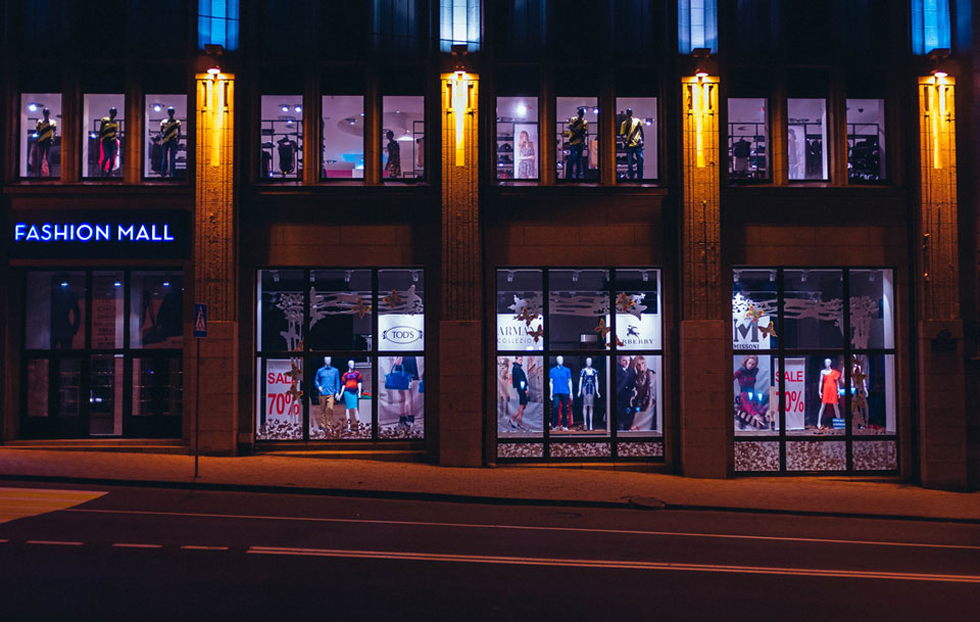
With Q2 2017 in full swing, retailers are not only reviewing industry activity from the previous year, but also looking forward, anticipating and preparing for what the rest of the year has in store. The evolution of e-commerce, brick & mortar storefronts, off-price retailing and vacancy have resulted in a newfound need for ingenuity and innovation to compete with the evolving demands of the modern consumer. While challenging, meeting these demands has presented a wealth of opportunity for growth and development virtually and across a variety of urban and suburban retail corridors. While highly trafficked and over-saturated retail markets such as New York City remain somewhat soft due to increasing rental rates, decreasing vacancy rates and a crowded sales landscape are contributing heavily to the industry thriving on a national scale.
In the year ahead, retailers and consumers alike should anticipate the following trends:
Experience, Experience, Experience
Now more than ever before, retailers must outperform their competition, which may include elevating product quality, making pricing more competitive and creating a well-rounded, innovative and memorable shopping experience. With the growth of online sales and the ability to easily price match goods, technology continues to be a focal point and retailers are pressured to create a more user-friendly omni-channel shopping experience. A few good examples of what shoppers might look out for are:
- Art and culinary exhibits/special events at Time Equities, Inc. (TEI)-owned malls
- Experiential learning centers such as what KidZania is rolling out in select GGP malls
- Handheld, seamless checkout process, similar to what Amazon Go is slated to implement
- A more seamless return process such as the return bars Happy Returns are rolling out at select malls
- Extraordinary dining/movie experiences at theater operators such as Cinepolis
- Virtual reality experiences such as those being offered by Dreamscape Immersive
- Rock climbing facilities, trampoline parks, indoor skydiving and children’s play centers are desirable tenants and amenities for shopping centers, which continue to serve as key traffic drivers
- Fitness centers have become a staple tenant in retail centers and there is no sign of this trend letting up
Omni-Channel Retailers Lead The Way
A steady influx of store closures and bankruptcy fillings continue to remain a looming cause for concern among developers and nationwide retailers, despite steady vacancy rates and a lack of new construction. However, despite pressure among physical store locations, expect to see an increase in former pure-play e-tailers building tangible brick & mortar assets, as many retailers discover they are able to maximize sales growth through an omni-channel presence. E-tailers such as Amazon, ModCloth, ELF Cosmetics, Birchbox, Fabletics, Blue Nile, Warburg Parker and Bonobos have begun to successfully implement this strategy across a variety of viable retail corridors nationally. According to WalMart, the retail industry’s most dominant off-price brand, the average omni-channel shopper spends approximately $2,500 a year compared to $200 per year for online-only shoppers and $1,400 per year for in-store shoppers. Moving forward, omni-channel retailers will continue using online sales to track where their customers live to help determine the best places to open new storefronts.
Mature Industry Vs. Emerging Industry
Over the past year, e-commerce accounted for only approximately 8.1 percent of total retail sales compared to brick and mortar’s remaining share of the pie. Furthermore, within the past few years, e-commerce’s growth has been cut in half, from 30 percent in 2011 to 15 percent in 2015, according to an ICSC study. On the other hand, brick and mortar retail growth has remained steady at a rate of 2-3 percent per year.
Notwithstanding Amazon’s commitment to growing its grocery delivery, only about 1 percent of the $1.5 trillion grocery industry has moved online. Dollar General is another good example of a discounter that has focused on food (roughly 75 percent of their revenue comes from consumable items according to a recent Bloomberg article), been profitable and continues expanding aggressively.
It’s no secret that online shopping plays a much more significant role than it did a decade ago. However, it’s still an emerging segment of the retail industry and is poised to encounter some growing pains, most notably with increases in shipping costs and carriers experiencing capacity constraints. On the other hand, brick and mortar retail has long matured and is well positioned to withstand the challenge presented by e-commerce. Brick and mortar retailers are adapting to provide consumers with a more enhanced, intimate and personal shopping experience, and an often overlooked fact is that many segments of the retail industry are not portable and are therefore immune to the e-tailing threat (i.e. one cannot get a haircut, manicure or workout online).
Off-Price Is Always In Season
According to a study by NPD Group, 75 percent of US apparel purchases were made at discounters in 2015. The following off-price retailers are just a few examples of those who are growing their store bases:
- TJX Companies
- Ross Dress for Less
- Burlington Coat Factory
- Five Below
- Ulta
- Dave & Buster’s
- Dick’s Sporting Goods
- H&M
- Planet Fitness
- Whole Foods
- Kohls (Off Aisle)
- Macy’s (Backstage),
- Nordstrom (Nordstrom Rack)
- Saks (Off Fifth)
- Lord & Taylor (Find @ Lord & Taylor)
Pricing Dislocation For Malls
The confluence of tremendous negative press surrounding enclosed malls, pressure on mall REIT’s to shed their non-core assets and a dearth of credible buyers growing in this sector has resulted in a noteworthy pricing dislocation. A number of these malls serve as town centers within their communities and have durable cash flows, credit worthy tenants, brisk leasing velocity and long-term growth potential. TEI seeks these types of enclosed malls and continues to grow their enclosed mall portfolio. Despite the death of the mall narrative, discounters, restaurateurs and service-oriented tenants continue to expand within malls, especially in markets where there are few shopping alternatives and limited access to e-commerce fullfiment centers.
Ami Ziff, Director of National Retail
Time Equities, Inc.
aziff@timeequities.com
www.timeequities.com




Add Comment