For years, mixed-use development leaned on a familiar promise: combine residential, retail, office, hospitality and entertainment to create a place where people can live, work and play.
That promise still matters, but the market has moved beyond this checklist.
Mixed-use projects have become commonplace in many markets, and developers have grown increasingly skilled at assembling the right combination of asset types. Yet the projects that win aren’t necessarily the ones with the most components. They make those components work together to create a stronger experience for tenants and visitors.
Some become thriving districts that attract residents, retailers, visitors and investors. Others struggle to generate consistent traffic or build lasting value.
Placemaking Is a Performance Strategy
The highest-performing mixed-use developments operate as connected ecosystems, with each component reinforcing the others.
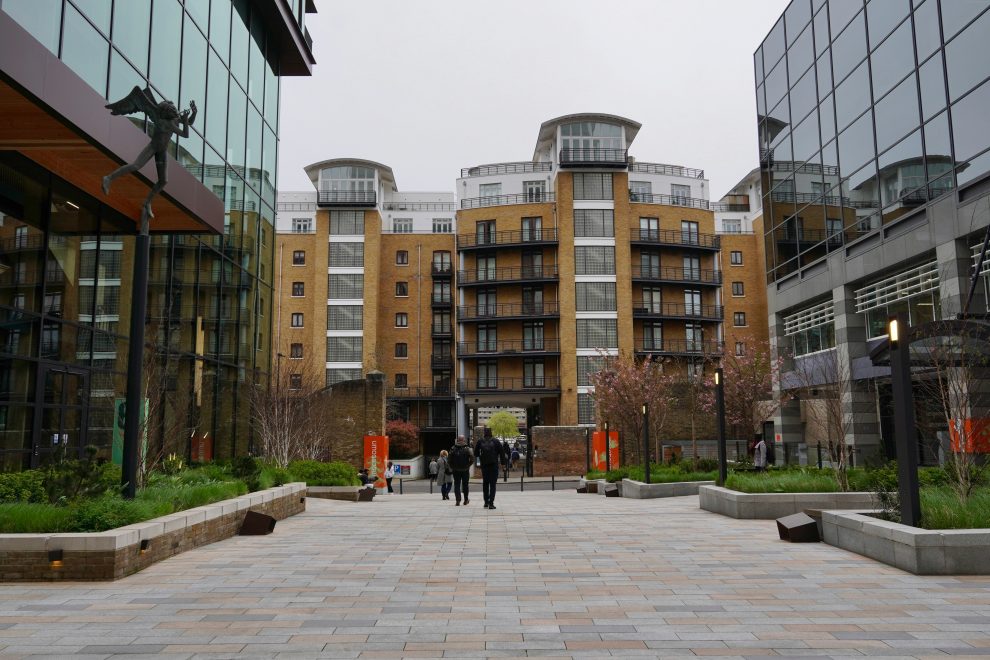
Successful projects establish a clear identity and connection to the surrounding community. Public gathering spaces, community programming, local partnerships and curated amenities can turn a real estate asset into a vibrant district.
That matters because consumers are weighing convenience against the quality of the environment around them.
A project can check every mixed-use box — apartments, retail space and office — and still fall short if those elements don’t create a place people want to experience. Foot traffic declines. Activity slows. The property loses the momentum needed to support sustained growth.
For owners and developers, creating a sense of place is more than a design consideration. It’s a business decision tied to tenant demand, investor confidence, and long-term value.
Retail Must Do More Than Fill Space
Perhaps nowhere is this shift more visible than in retail.
Historically, retail was often viewed through the lens of revenue and occupancy. Today, it can be the engine that brings a mixed-use project to life.
Restaurants, fitness concepts, entertainment venues, specialty retailers and local businesses can draw traffic throughout the day and into the evening. They also influence how people move through and engage with the broader property.
That means tenant selection has become just as important as tenant acquisition.
A fully leased retail corridor can still underperform if tenants fail to generate consistent activity. Conversely, a carefully curated mix can strengthen residential demand and create a more compelling environment for visitors.
The strongest mixed-use developments treat retail as a catalyst for movement and repeat visits, not simply another line on a leasing report.
Operations: The Real Differentiator
Many mixed-use projects launch with strong leasing activity, substantial marketing support and community excitement.
The challenge comes after the ribbon cutting.
Sustained success requires an operational mindset that extends beyond traditional property management.
The most successful developments continually invest in programming, events, partnerships and tenant collaboration. They coordinate residential, retail, hospitality and office components so the property functions as a cohesive whole rather than a collection of separate assets.
Increasingly, effective mixed-use operators borrow from hospitality. They focus on service, engagement and activation with the same discipline they apply to occupancy and revenue.
That matters because a mixed-use development is not a static product. It is an operating business that must respond to changing tenant expectations, consumer habits and neighborhood dynamics.
The projects that sustain momentum are often the ones willing to keep evolving after development is complete.
The Next Evolution of Mixed Use
Location, design and capital remain essential, but they no longer carry a project on their own.
The next evolution of mixed use requires owners and developers to think beyond the physical program and focus on how the property functions every day.
That means treating activation, tenant mix and community connection as core drivers of value rather than finishing touches.
It also means recognizing that success can’t be measured solely by occupancy or leasing velocity. A project can be fully leased and still fail to become a destination. The stronger measure is whether the different pieces create value for one another.
In a market where more developments compete for the same residents, retailers and investment dollars, the projects that stand out give people a clear reason to choose them over the next option. Making the pieces work together may be the most important differentiator of all.
Michael Siino, CPA
Regional Real Estate Practice Leader
CBIZ
New York, NY