




Did you know that there are more clothing options available for dogs than there are for people with disabilities? It took a long time to come, but the fashion industry is finally addressing the needs of the disability community, which is known today as Adaptive Fashion. The University of Fashion (UoF) is launching its five-part Adaptive Fashion series to help educate the industry in the Adaptive Fashion marketplace.
It’s new series covers the history of adaptive fashion, how to design and develop adaptive fashion and how to merchandise and market products for the adaptive fashion consumer. The series begins with the terminology used when referring to various types of disabilities. Expert Tracy Vollbrecht offers a downloadable Terms and Definitions document to help people understand appropriate language and terms used in this specialized market segment.
Ms. Vollbrecht’s history of the adaptive market covers innovators such as Helen Cookman, who in 1955, began researching the market potential of adaptable clothing at New York University’s Institute of Physical Medicine and Rehabilitation after being recommended for the role by The New York Times’ style editor Virginia Pope. Cookman would spend the next four years developing a collection called Functional Fashions, which was a collection of 17 items designed to help disabled people dress independently. However, Ms. Vollbrecht explains that upon the passing of Helen Cookman and Virginia Pope, the functional fashion movement began to fade and was replaced with clothing intended to make dressing easier for the elderly. It wouldn’t be until 2004-2007 that The Adaptive Fashion Showroom and the company Wheeliechix-Chic, founded by Louisa Summerfield, came into being and would take adaptive fashion to the next level.
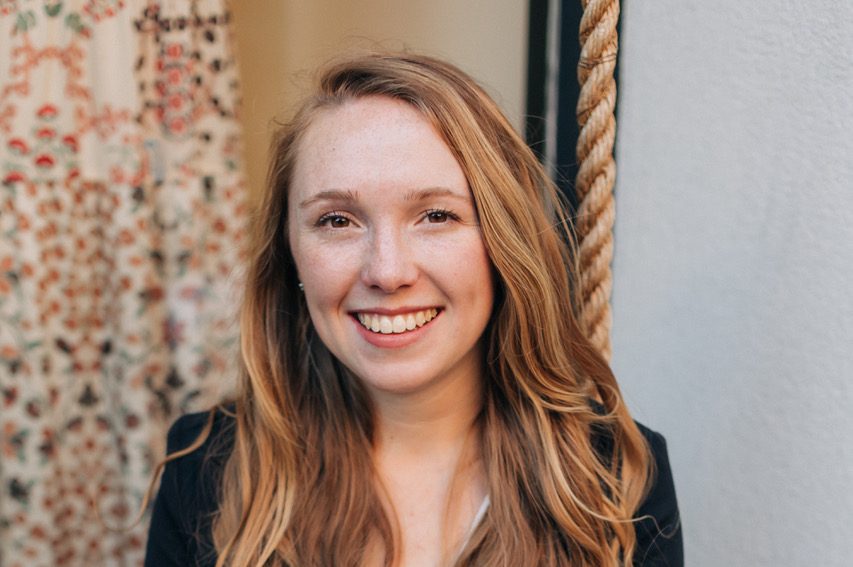
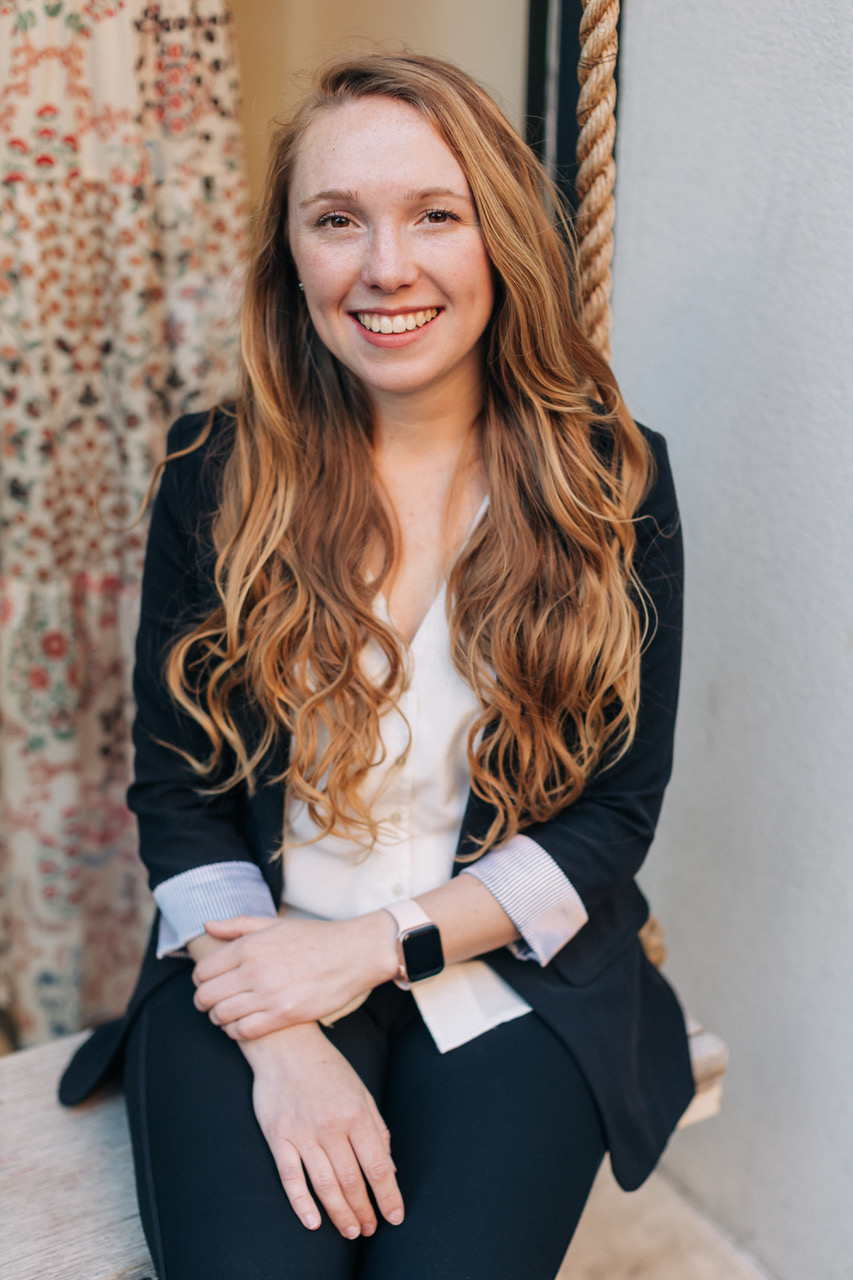
UoF founder, Francesc Sterlacci sat down with Tracy Vollbrecht to learn why she became interested in designing for the adaptive market and her thoughts on where the market is headed.
Francesca: Were you formally trained as a fashion designer and if so, where? What motivated you to pursue a career in adaptive fashion?
Tracy: I am! I graduated from Kent State University with a Bachelor of Fine Arts in Fashion Design. At Kent, I had the opportunity to conduct research on adaptive fashion, speaking to over 75 people with varying disabilities to learn about their challenges with clothing. My research culminated in a universally designed collection shown at Kent’s annual fashion show, a published research paper and presenting my research at various conferences, including the International Textile and Apparel Association’s annual conference. The work I did at Kent showed me that clothing challenges weren’t just an issue experienced by individuals like my dad who had MS, but an issue that so many people face. Clothing should allow everyone to express themselves and feel good, not just some of us.
Francesca: How in demand are designers with adaptive fashion expertise? How did you connect with the companies that you have designed for in this space?
Tracy: Unfortunately, adaptive fashion is still very much a niche portion of the fashion industry, which is what myself and others are working to change. There isn’t a high demand for adaptive fashion designers yet. I’m hopeful that the niche will grow and there will be more demand for designers, merchandisers, buyers, marketers, etc. with adaptive fashion experience. The companies I’ve worked with have either sought me out, were referred to me, or I connected with them through network connections.
Francesca: Can you name the companies that you have designed for? Are their online and brick-and-mortar stores exclusively selling adaptive fashion?
Tracy: My first adaptive fashion role was with Juniper Unlimited where I designed and helped launch their brands’ Yarrow and Ulex. In my consulting work with Vollbrecht Adaptive Consulting, I’ve developed training resources for Target, taught lectures at IFA Paris, conducted research for Open Style Lab and more. At this stage, adaptive fashion is almost exclusively online. It’ll be great to see brands start to carry adaptive products in store, where the shopper can find them organically.
Francesca: What are the biggest challenges in designing for people with physical challenges?
Tracy: The biggest challenges for creating adaptive fashion are the variety in needs and the fashion cycle. Within the disability community and even within the same disability (physical or not), there is so much variety in clothing needs, body shape and challenges. No two disabilities are the same, which is why it’s so important for brands to work with people with disabilities. However, the time and effort needed to properly develop clothing that works for all is at odds with the fast-fashion, trend driven nature of the fashion industry currently.
Francesca: Do you see the adaptive market growing since companies like Tommy Hilfiger and other big brands have become more inclusive?
Tracy: Definitely! There is so much potential for brands to tap into the unmet needs of consumers with disabilities. Just because a few brands have gotten into the space doesn’t mean there isn’t room for more brands, all brands really, to get into the market. There will be “enough” adaptive fashion when consumers with disabilities have the same amount of choice in brand, price and style as consumers without disabilities.
Francesca: What advice do you have for our students who may be interested in designing adaptive fashion?
Tracy: My advice to any student is that adaptive fashion is more than just adaptive design. Every role within the fashion industry (merchandising, product development, buying, marketing, etc.) is needed to make sure adaptive fashion gets into the hands of the consumer. If you have an interest in adaptive fashion, pursue it! Follow disabled creators on social media; stay up to date on what brands are doing; volunteer for fashion shows. For designers specifically, adaptive fashion is still fashion. Getting experience working for fashion brands is essential. Since the adaptive market is still growing and there aren’t many adaptive design roles, take advantage of learning the process of design and development for non-adaptive fashion as that process still applies to adaptive fashion.


