




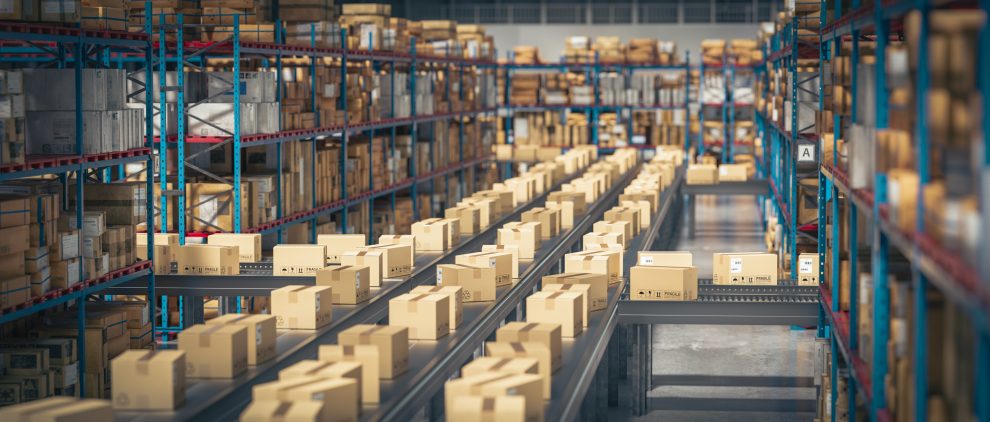
According to Mordor Intelligence, the retail logistics market size is valued at $1.14 trillion in 2025 and is anticipated to achieve $1.49 trillion by 2030, advancing at a compound annual growth rate (CAGR) of 5.52%. The latest report highlights that the retail logistics market has become central to managing transportation, warehousing and distribution, enabling businesses to respond to evolving consumer expectations and increasingly complex supply chains. This upward trend underscores the industry’s role in ensuring timely product availability, enhancing supply chain resilience and driving the performance of the global retail economy.
Emerging Developments Shaping Retail Logistics Market
Several transformative forces are fueling the growth of the market across global industries:
- Expanding online commerce is creating unprecedented demand for warehousing capacity and reliable last-mile networks.
- Increasing deployment of robotics, AI-based inventory systems and automated distribution centers is improving accuracy and responsiveness.
- Sustainability initiatives are driving adoption of low-carbon fleets, renewable-powered facilities and eco-friendly packaging methods.
- Retailers are adopting omnichannel approaches, requiring flexible supply chain models to serve both physical and digital outlets.
- Collaborations between logistics operators, technology vendors and retail brands are reshaping the competitive landscape through shared resources and integrated services.
E-Commerce and Green Logistics Influence the Retail Logistics Market’s Growth Path
E-commerce warehousing has emerged as the backbone of online shopping fulfillment. Increasing digital purchases have accelerated demand for storage hubs capable of processing high volumes with precision. Automated sorting systems, intelligent inventory tracking and temperature-controlled facilities are redefining operations. Seasonal surges have underscored the importance of flexible infrastructure, while sustainability goals are encouraging investment in energy-efficient buildings and renewable-powered facilities. The e-commerce warehousing market size is estimated at $47.6 billion in 2025, and is expected to reach $64.32 billion by 2030, at a CAGR of 6.21%.
Green logistics is influencing retail logistics by embedding sustainability across operations. Companies are deploying low-emission fleets, optimizing distribution routes and upgrading warehouses with renewable energy systems. Sustainable packaging and waste management initiatives are further helping retailers meet regulatory standards and enhance consumer trust. By integrating these practices, the industry is aligning growth with environmental responsibility. The green logistics market size is estimated at $1.39 trillion in 2025, and is expected to reach $2.06 trillion by 2030, at a CAGR of 8.29%.
Retail Logistics Market: Segmentation Overview
The market is structured into several broad categories, ensuring diverse solutions for multiple sectors.
By service type:
- Transportation
- Rail
- Road
- Air
- Sea and inland waterway
- Warehousing and distribution value-added services
By product type:
- Foods and beverages
- Personal and household care
- Fashion and lifestyle (accessories, apparel, footwear)
- Furniture
- Electronics and household appliances
- Other products
By distribution channel:
- Super/hyper/convenience and department stores
- Specialty stores
- Online
- Other channels
These categories demonstrate how the industry addresses different requirements, from transportation and warehousing solutions to varied consumer product segments and global geographic coverage. Segmentation ensures stakeholders can tailor investments and strategies to meet specific operational needs, while also allowing benchmarking across global and regional contexts.
Regional Dynamics Fueling Retail Logistics Market Growth
- North America: Strong infrastructure supported by leading e-commerce platforms is accelerating automation adoption.
- Europe: Policy-driven sustainability initiatives are reshaping warehousing and transport systems with a green focus.
- Asia-Pacific: Surging online demand in China, India and Southeast Asia is driving rapid expansion of retail logistics infrastructure.
- South America: Rising consumer demand for essential goods is boosting investments in efficient logistics networks.
- Middle East and Africa: Energy logistics and retail investments are creating fresh opportunities for infrastructure growth.
The retail logistics market is positioned for continuous advancement as businesses adapt to evolving consumer behavior, sustainability mandates and technological progress. Companies that integrate digital tools, strengthen warehousing infrastructure and align with sustainable practices are expected to lead in the coming decade. Mordor Intelligence forecasts steady progress, providing stakeholders with opportunities to innovate and scale in one of the world’s most vital industries.


