




Meet Jerey Ojeah, a Los Angeles-based designer, budding philanthropist and manufacturer of the genuine leather bag brand The Baltimore Bag Company. A seasoned veteran of the fashion world of more than 20 years, Ojeah brings to the industry a luxurious, American-made handbag collection made from “genuine leather” rather than “bonded leather,” creating timeless pieces of the highest quality that give the feel, texture and true nature of real leather.
Born in Freetown, the capital city of Sierra Leone in Africa, Ojeah made the United States her home in the 1980s. In her home country of Sierra Leone, Ojeah was trained as an art teacher and majored in fine arts, and her dissertation on textiles opened up her creative instincts to the world of fashion. She moved to Los Angeles, California initially, but quickly moved to New York when a design opportunity presented itself. After working in Manhattan as a designer for a junior line, she moved back to Los Angeles as a freelance designer because the cold weather was too much for her to handle, she said. After working for some top-name designers, Ojeah took a leap of faith and created her own clothing brand, Easy Language. The luxury linen line eventually made its way to be sold at Nordstrom.
As the years passed and her children were off to college in Baltimore, she eventually opened up her own storefront, Easy Language, located in a historic building in the burgeoning Koreatown area of Los Angeles, amid the epicenter of lively dining, dancing and retail shops along Sixth Street. Her initial focus was to sell her own clothing, but she eventually expanded to selling other brands and accessories from unique international designers at the storefront. In this storefront location, she found that many of her customers were foreign travelers who were looking to buy gifts to take back home with them.
“I already had bags in my Easy Language boutique and most of them were made in China,” Ojeah said. “So why not create an all-American bag and name it after one of the oldest cities in the country?” It was then that Ojeah began designing and selling her own handbag creations, which allowed her philanthropic nature to kick in.
Researching factories that produced and designed all-American leather products proved to be a challenge. The manufacturing industry died about 50 years ago when majority of the factories relocated overseas, mainly to China, for cheaper labor and materials. At the same time, the country was reeling over the decay of the city of Baltimore. Wanting to promote “American Made,” Ojeah named her bag line The Baltimore Bag Company not only as an homage to the city, but with the goal to one day buy a factory in Baltimore to help bring jobs to the city.
“Why not Baltimore?” Ojeah said, as an answer to friends who asked her why she wouldn’t name her line after herself or Beverly Hills, where she lived. “I’m not interested in self accolades. The city needs an industry to help it rebuild itself, and I want to help.”
Ojeah chose to design her bags with genuine leather instead of bonded leather, because the lifespan of bonded leather is much shorter than genuine, its colors fade and the bags are harder to clean; with genuine leather, the quality of the bag is much greater. All of The Baltimore Bag Company’s pieces are handcrafted stateside, produced with American leather by American craftsmen. Ojeah’s wide array of styles include clutches, totes, unisex backpacks, rounds, cross bodies, buckets, messengers, fanny packs and weekenders, among other styles.
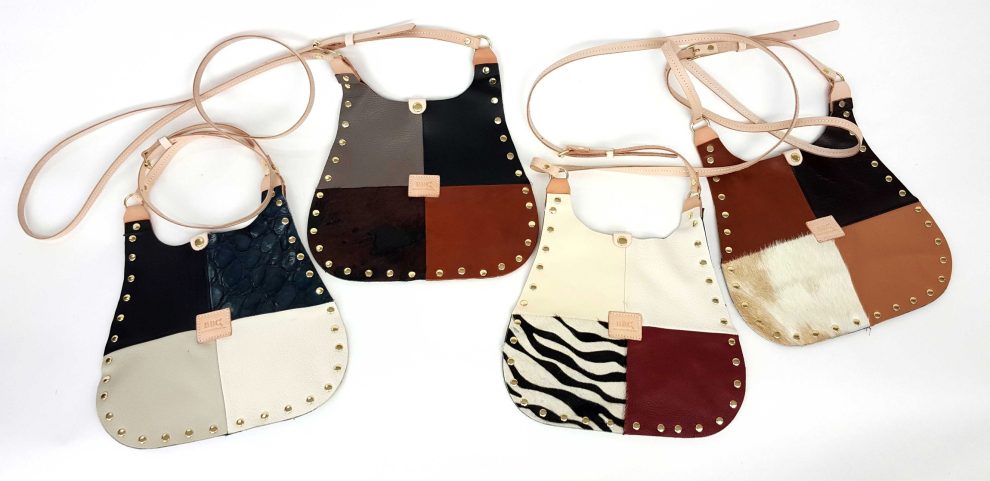
Styles are also available in exotic skins such as crocodile and Mongolian sheep alongside traditional calfskin and cowhide. Each of these classic shapes will age well with time, both in texture and style, the brand said. For customers who are looking for a truly one-of-a-kind piece, Ojeah also creates eye-catching patchwork cross body bags that are made from recycled materials.
“One person can make a difference. Why not me?” said Ojeah, as she has continued to look for opportunities for The Baltimore Bag Company to be a cog in the wheel of progress in the “American Made” revolution. She has continued to scout various factory locations in Baltimore to manufacture the brand locally which, she said, will certainly help to bring jobs and industry to the city.
She has also had the idea to branch out and build a shoe company to manufacture shoes and sneakers out of Detroit, Michigan, another city that, she says, has felt the dire effects of industries pulling up their roots.
Striving to keep her line affordable for all shoppers, the line retails from $75 to $500. The Baltimore Bag Company line is sold at Ojeah’s brick-and-mortar location in Los Angeles as well as on her online store at bbcbags.com, where she said sales have soared due to COVID-19-related in-person shopping restrictions.


