




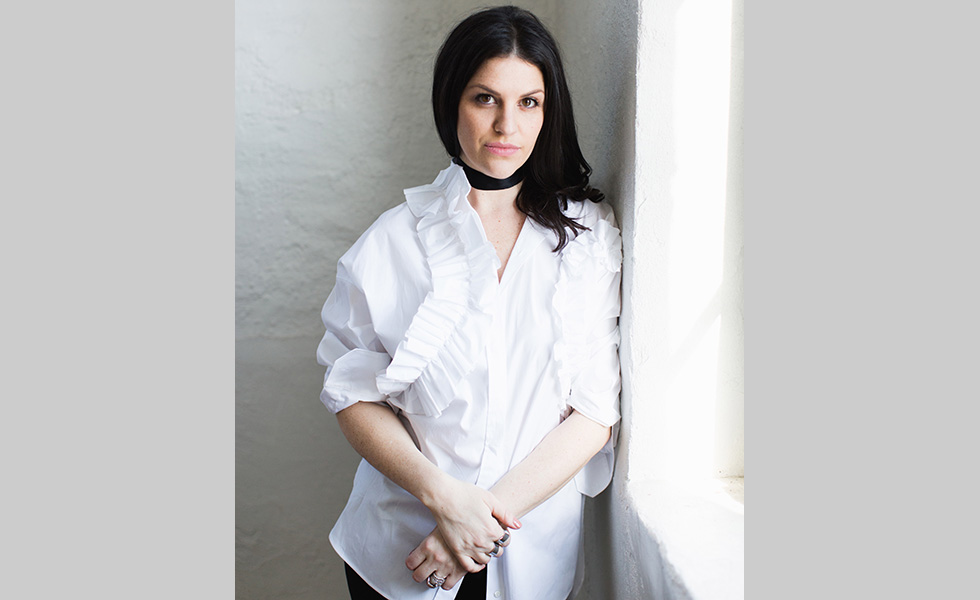
Jeriana San Juan is a New York-based costume designer and stylist whose diverse career spans theater, film, television and fashion. Ms. San Juan began her career in fashion design and styling. Equipped with an in-depth knowledge of clothing design and fabrication she creates fresh and classic styles that give each character a distinctive and iconic look.
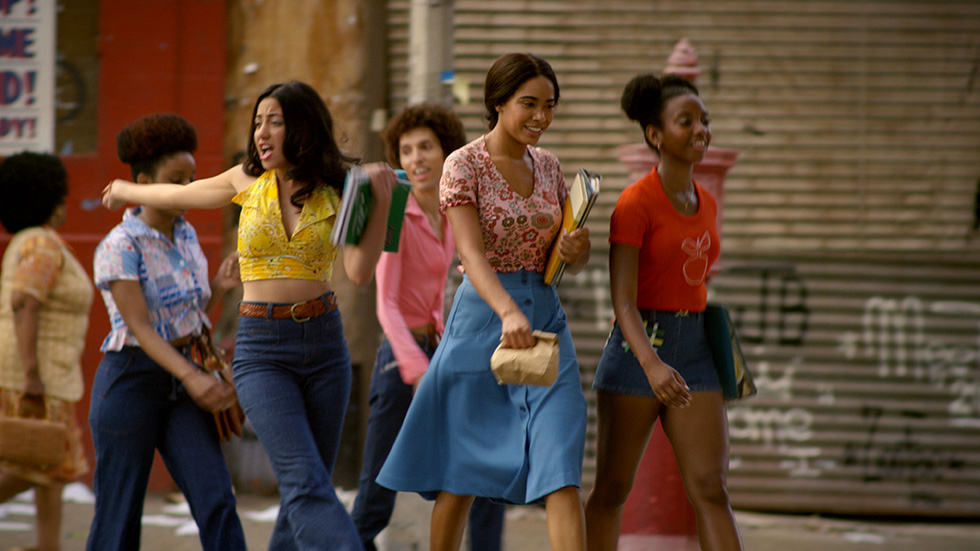
Her credit highlights include bringing back ‘70s fashion flair in Baz Luhrmann’s “The Get Down,” the acclaimed MTV television series, “I Just Want My Pants Back,” where she created the ‘ultra-cool’ and effortless street style of young adults living in Brooklyn, FX’s Sex & Drugs& Rock & Roll starring Denis Leary, for which Jeriana designed intricate costumes for a rock-and-roll band hoping to make a mainstream comeback, and the Acclaimed NBC series Saturday Night Live Seasons 32 through 38 for which she created over-the-top characters for parody commercials, music videos. Most recently Ms. San Juan collaborated with Boardwalk Empire and Sopranos director and producer Allen Coulter on the pilot “Civil” for TNT, and brought Grant Morrison’s graphic novel Happy to life for a pilot starring Chris Meloni by designing a heightened and dystopic New York for USA Network. Also, for USA she has designed the pilot episode of “Damnation” now in production for season 1.
She received her Bachelor of Fine Arts from the Fashion Institute of Technology, where she was the recipient of the Patricia Zipprodt Award for “Excellence in Costume Design,” the 2004 Fashion Design Art Specialization award, as well as a NY chancellors award.
LK: How did you first realize you wanted to become a costume designer?
JSJ: For as long as I can remember I wanted to design clothing and create characters through wardrobe. When I was very little my grandmother began teaching me how to construct clothing and the art of tailoring. As I grew up I would visit my mother after school who was a ballerina with the Joffrey ballet and spend time in the costume shop drawing ballet costumes and playing with fabrics to dress my dolls and create little shows. I suppose that my upbringing coupled with my obsession with 1940’s and 50’s musicals meant I was pre-destined for this.
What was your first job as a designer?
My first actual job was designing “Three Sisters” a Chekhov play for the Actor’s Theater Workshop in New York. It was technically my first paying gig though I contributed the very few dollars I was making in order to buy better fabrics to make the costumes from, so ultimately the only profit was experience. I learned a lot on that project about the relationship between designer and actor, and the collaboration that takes form during the process of design.
Who have been your greatest mentors and inspiration for your career and interest in fashion?
I still consider my Cuban grandmother Clara Aurora San Juan one of my greatest inspirations in life. She was one of the first people to show me the possibilities in design. Since our family did not have much money as Cuban immigrants, she would show me how to style clothing and accessories in interesting and inventive ways to give a look impact. Also, she showed me how to use inspiration from the editorial pages of Vogue magazine to interpret fashion and create something fresh. My grandmother would clear the kitchen table and teach me how to recreate designer pieces by making clothing patterns out of my grandfather’s old newspapers and how to cut, drape, and sew pieces to create a version of what we had seen in the shop or in a magazine. She really taught me that style can’t be bought; it must come from within through creative expression. I’ve kept those lessons close to my heart. It’s a responsibility of a costume designer to elevate the fashion or reinterpret it to enhance the story and the character.
You have received great acclaim for your work on The Get Down and amazing coverage in Vogue and other fashion publications. What is it about the look of the show that you think has attracted the interest of the fashion world (and Anna Wintour)?
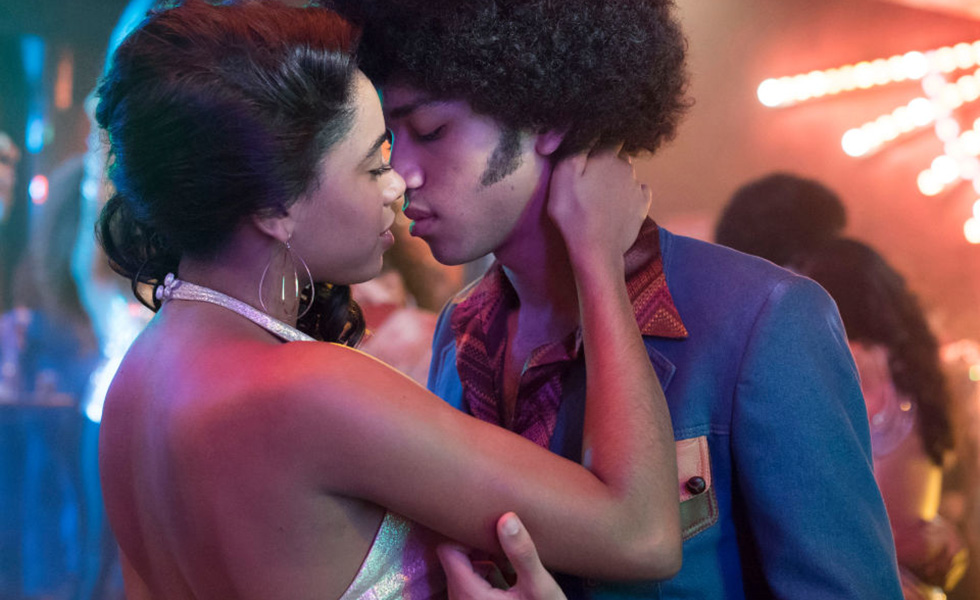
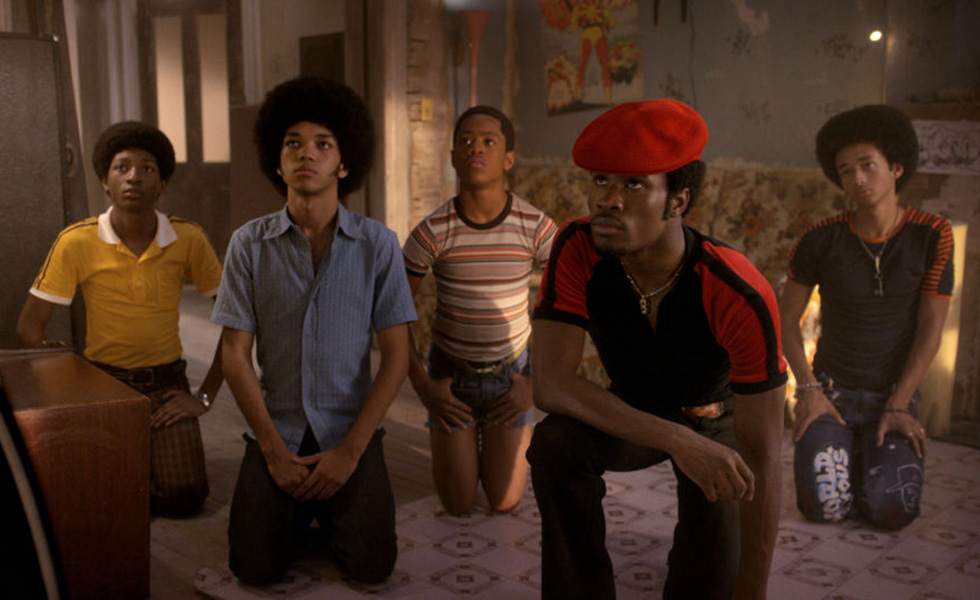
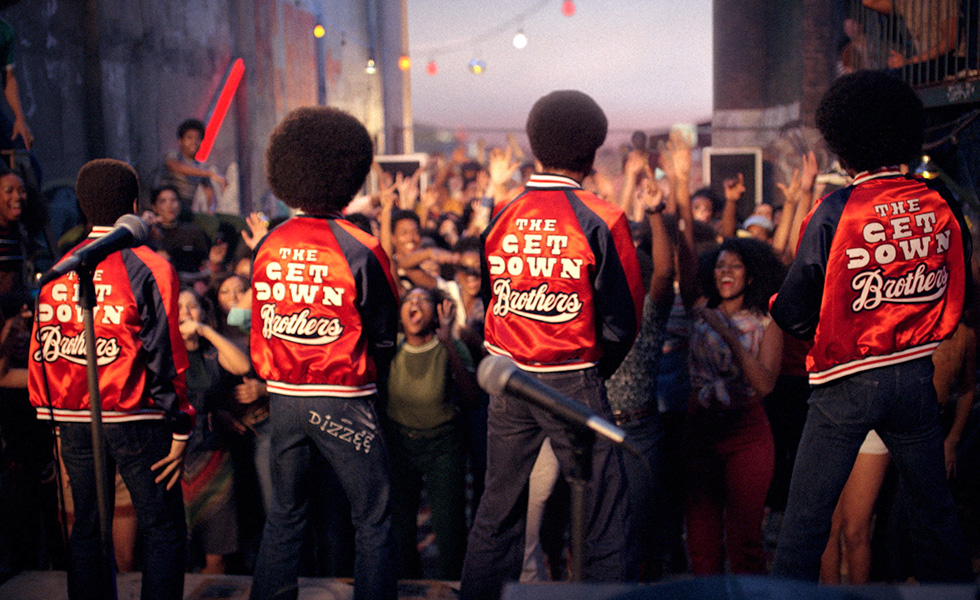
The period is inherently rich with style. The sexual revolution that was started in late 60’s was exploring and pushing boundaries in fashion for men and women. This brought such an excitement to the clothes; men’s pants were tight and the suit silhouettes almost extreme. Women’s fashions were sexy, elegant, and figure flattering. Tight waists and exaggerated bell bottoms, glossy slim fitting dresses with high slits or full skirts and large brimmed hats, the shapes of things were all exaggerated in a way that naturally compliment the human body. I chose to represent the womenswear in the show with pieces that enhance each character in a different way, but overall still come across with a strong yet feminine attitude. From Regina who is a Latina that embraces her sexuality and wears youthful tight jeans that have flirty details and signature crop tops, to Annie who wears elaborate Moroccan inspired kaftans to Mylene’s show stopping angelic dresses, each character represents a different glamour in a different way. The men’s clothing on the show is also being copied quite a bit. Everything from The Get Down Brothers’ Track jackets to Cadillac’s Mock neck sweaters and suits are starting to influence menswear. I have spotted many men in New York wearing outfits styled like Shaolin Fantastic with a red Puma shoes, Jeans, and a red Jacket or White T shirt. These looks all transcend the time which is the key to making it just as relevant and cool today.
What was it like working with Baz Luhrmann and Catherine Martin?
Working with Baz Luhrmann and Catherine Martin was wonderful! Baz really was the architect of the story and during our first creative meetings not only described the historical context of the show but how our characters would live in the world. Catherine and the rest of his team had been researching the period for years and had a clear point of view in how the world would appear to the kids and feel to the viewers. Baz would often share snippets from movies and documentaries that would inspire him, which helped the entire creative team have a visual understanding of our direction and created a platform for collaboration unlike anything else I had ever experienced. The entire creative team and actors would sit and have roundtable discussions on how to fully realize the characters through Music, Dance, Costume, and even set dressing.
And Grandmaster Flash?
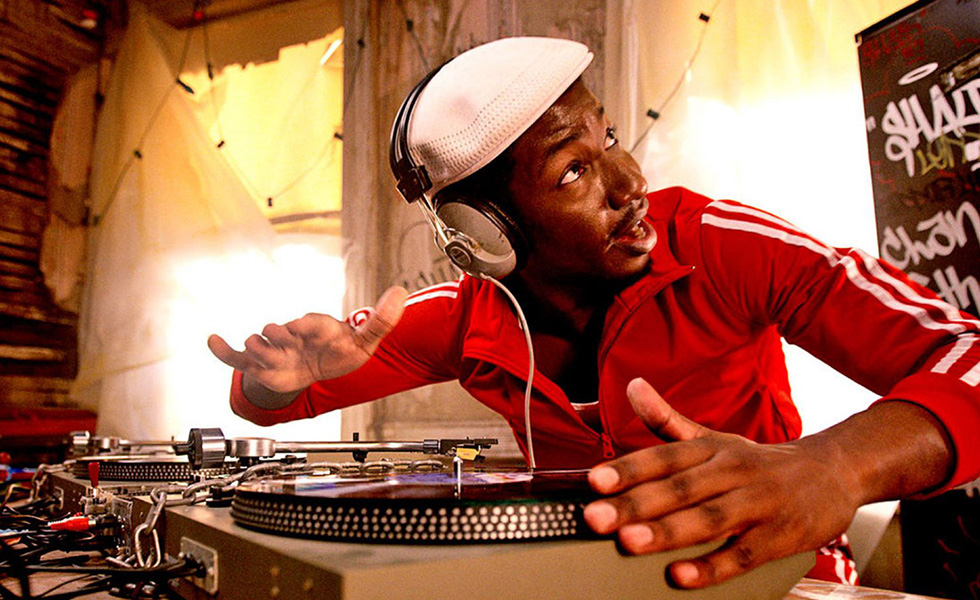
Grandmaster Flash was a crucial advisor to the series. It was important to always start with what was authentic and then take creative licence from there to exaggerate or pull back on certain things so that I was still honest in our story telling. Flash and I went through the racks countless times so that he could really school me on what was cool and what wasn’t back in the day. Through the year and a half it took to create the series we spent lots of time together talking about different key pieces in Hip Hop from a shearling jacket to a Kangol hat and what they meant to the culture. Flash is a still a major influencer as a founding father of Hip Hop culture so his opinion on everything meant a lot.
There have been several successful retail collections inspired by TV shows such as The Scandal Collection at The Limited and The MadMen collection at Banana Republic, do you think that the costume design of The Get Down would have commercial appeal?
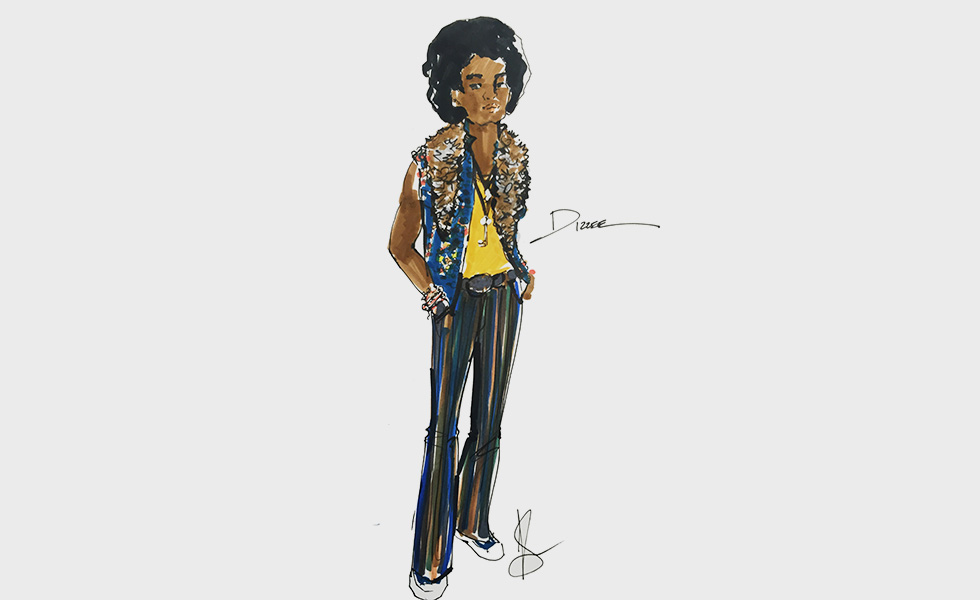
I absolutely think The Get Down has a natural commercial appeal. It really starts with the characters in a show, and each character is so dynamic and interesting that it allowed me to create the fabulous clothes that people are responding to. The style in the show is palpable and people ask me all the time where they can find Mylene’s dresses, Dizzee’s jumpsuit or Shaolin’s Jackets. It is clear that the clothing and the style transcend the series; it’s already been an influence to some of the 2018 runway shows.
What else are you working on?
I am currently designing Damnation, a new series for USA Network. It takes place in the early 1930’s, so I am finding myself very deep into researching the period and falling in love with women’s ‘30s high waist trousers, and early American Denim work wear that has been inspiring Japanese fashion for a long time.
What’s next?
It has been a very busy time and I have no intention of stopping any time soon. I am in talks to do a collaborative fashion line with Flash and am working with Nelo, which is a great app in order to shop looks like what you see on TV. Beyond that I hope to continue to make an impression on viewers through television and film and continue to help the costumes transcend the screen and influence fashion.
For more information on working with costume designs in TV and film,
Contact: Linda@matchbookcompany.com
Photo Gallery


Add Comment