




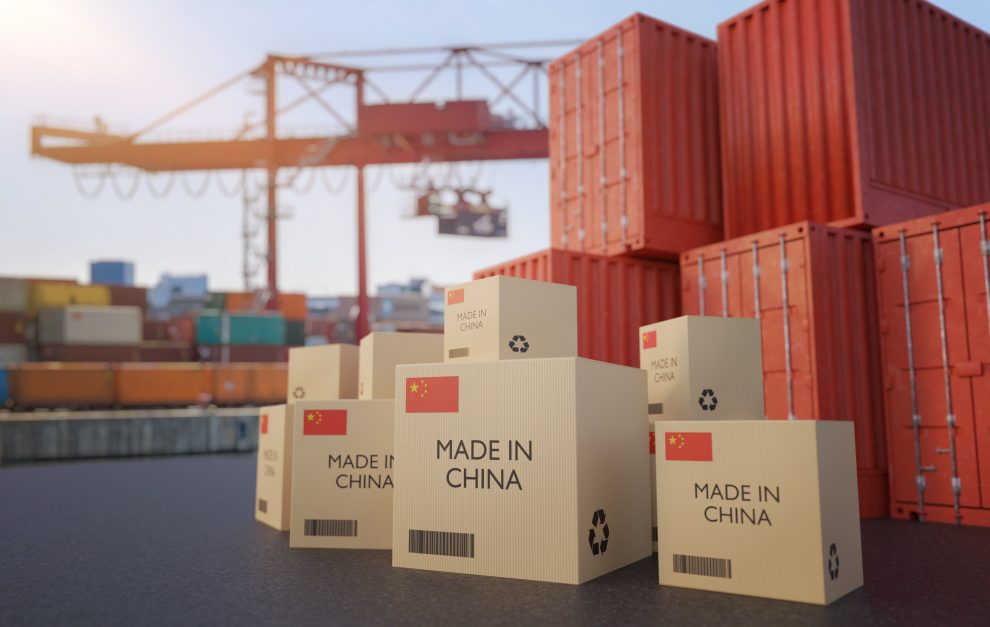
Project44 released its 2025 tariff report, providing a comprehensive look at how 2025’s tariff policies reshaped global trade flows. In 2025, U.S. imports from China fell 28% year over year, while exports to China dropped 38%, marking one of the sharpest bilateral trade contractions in recent history. Southeast Asian countries captured significant sourcing share throughout the year, with Indonesia and Thailand each posting double-digit import growth to the U.S.
While U.S. imports from China remained depressed through year-end, exports to China showed signs of potential stabilization in the final weeks of 2025. U.S. exports to China, which trended 38% lower year to date, improved sharply in the fourth quarter. November’s decline narrowed to 23% year over year, the smallest decrease since tariffs took effect, before December delivered a 13% increase, marking the first positive month for U.S. exports to China in 2025.
Key findings:
- U.S.-China trade contracted sharply in 2025: Imports from China fell 28%, and exports to China dropped 38% for the full year.
- Exports show late-year improvement: U.S. exports to China rose 13% year over year in December after narrowing to -23% in November, marking the first positive month since April tariff implementation.
- Imports from China remain depressed: U.S. imports from China trended 34% lower through December with no signs of recovery.
- Southeast Asia captures China sourcing share: Imports from Indonesia increased 34%, and Thailand rose 28% for the full year of 2025.
- Blank sailings normalize from April peak: Total blank sailings fell to 62 in December from 131 in April (-53%), signaling carrier capacity has adjusted to lower trade volumes.
China’s growing trade surplus indicates the country is expanding commercial relationships beyond the U.S., even as bilateral trade contracts. Among Southeast Asian countries, Indonesia’s 34% import growth positions it as a clear beneficiary of sourcing diversification.
The data suggests that global supply chains have adapted to a new tariff-driven baseline rather than operating in a temporary disruption phase, though pending legal challenges to tariff authority could reshape trade dynamics in 2026.


