




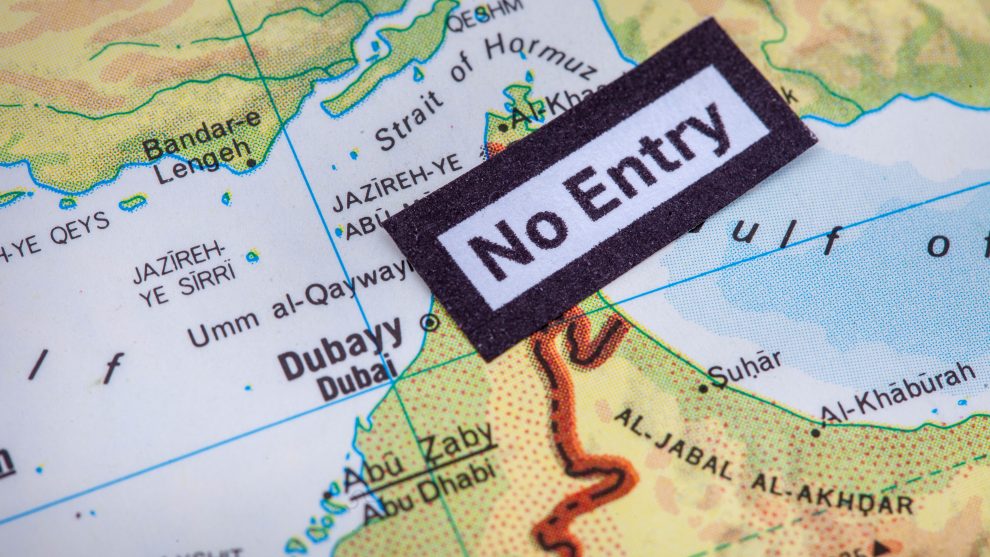
Project44’s latest supply chain insights report shows average daily ocean freight diversions have increased more than 360% amid disruption in the Strait of Hormuz, rising from 218 to 1,010 per day. March 5 marked the highest single-day spike, with 2,363 diversions recorded in a 24-hour period. The surge represents the highest level of rerouting activity recorded in the Strait of Hormuz corridor.
The Strait of Hormuz is one of the world’s most critical maritime chokepoints. As vessel traffic patterns shift, operational pressure is building across surrounding Gulf hubs and downstream trade lanes. All major ocean carriers are adjusting schedules in response to the disruption, with MSC accounting for 59% of tracked diversions.
Key Findings
- Daily ocean freight diversions increased by more than 360% following the disruption in the Strait of Hormuz.
- A record 2,363 diversions were recorded within a single 24-hour period, setting a new single-day record for diversions in the Strait of Hormuz.
- Outbound rerouting activity is concentrated at Gulf gateways, with Jebel Ali, Abu Dhabi and Hamad experiencing the highest volume of diversions.
- Khawr Fakkan is capturing approximately 15% of total diversions, reflecting a significant concentration of rerouted vessel traffic. Sohar, Hambantota, Mundra and Mumbai are also receiving redirected volumes as carriers adjust vessel routes.
- Congestion is building at ports in India as rerouted traffic flows into the region, with arrival delays projected to reach 49 days at Mundra and departure delays rising 118% at Navi Mumbai.
Unlike prior maritime disruptions, there is no long-haul alternative route for Gulf cargo. Several ports are effectively cut off from direct ocean access, increasing reliance on surrounding hubs and elevating the risk of sustained congestion. As diverted volumes accumulate, additional schedule instability and extended transit times are likely across Middle East and South Asia trade lanes. With continued regional uncertainty and evolving war-risk insurance conditions, there is no clear timeline for when transit patterns may stabilize.


