




Awards season is fully underway, and that means hundreds of celebrities are sauntering down the red carpets, donning beautiful gowns and suits, showcasing some of the hottest trends of the season. It’s no secret that the worlds of Hollywood and fashion are intertwined. For years fashion has influenced films, and films have clearly influenced fashion. The relationship between fashion houses, stylists, and film studios has always been strong. Typically, it is the runway that dictates cinematic styles, but every once in a while a film comes around with an instantly iconic style, turning it the other way around.
The influence of Hollywood on fashion began during the silent film era. Pola Negri, a popular actress of the ‘20s, purchased white satin shoes that she had dyed to match her outfits. Once this was publicized, women by the thousands followed her lead. Clara Bow, another silent screen star, popularized bobbed hair, sailor pants, and pleated skirts.
During the 1920s and 1930s, with the rise in popularity of Hollywood films, movie stars became role models for the masses. Major fashion trends were no longer dictated only by the top Paris-based fashion houses. Rather it was the clothes and hairstyles worn by their favorite glamorous movie stars, both on and off the screen, that grabbed the attention of moviegoers across the globe and launched countless fashion fads.
“Fashion and film used to feed off each other,” said Eugenia Paulicelli, founder and director of the Fashion Studies Program at The Graduate Center, CUNY. “Paris may have been the center of chic, but Hollywood, too, became a fashion capital.”
Outfits worn in movies were quickly copied by retailers. Stores rushed to reproduce memorable costumes like the pouf-shouldered organdy gown Gilbert Adrian designed for Joan Crawford in Letty Lynton or the breezy white sundress Edith Head confected for Elizabeth Taylor in A Place in the Sun.
Magazines would also publish clothing patterns based on film costumes in their issue, allowing women to sew their own Hollywood-esque frocks. One of the most favored patterns was a dress based off that worn by Vivien Leigh in a picnic scene in the 1939 film Gone with the Wind, one of the era’s most popular and publicized movies.
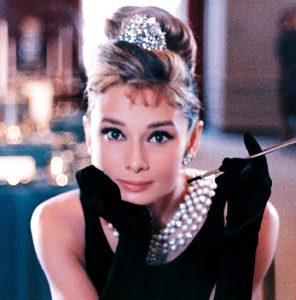
Hollywood costume designers played a crucial role in dictating fashion trends. Between 1928 and 1941, Gilbert Adrian headed the costume department at MGM, the most prestigious Hollywood movie studio at the time. Not only did Adrian create the signature styles of the studio’s top actresses, he also launched various fashion crazes. One was the popularity of the gingham dress, which he designed for Judy Garland to wear in The Wizard of Oz. Another famous Hollywood designer was Hubert de Givenchy, who was a favorite of influential actress Audrey Hepburn and dressed her in such movies as Breakfast at Tiffany’s, Sabrina, and Funny Face. Givenchy’s fashions from these three movies alone are some of the most iconic looks to come from the film industry.
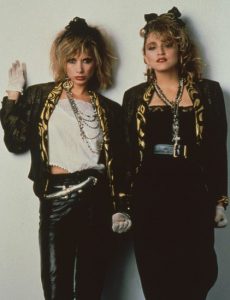
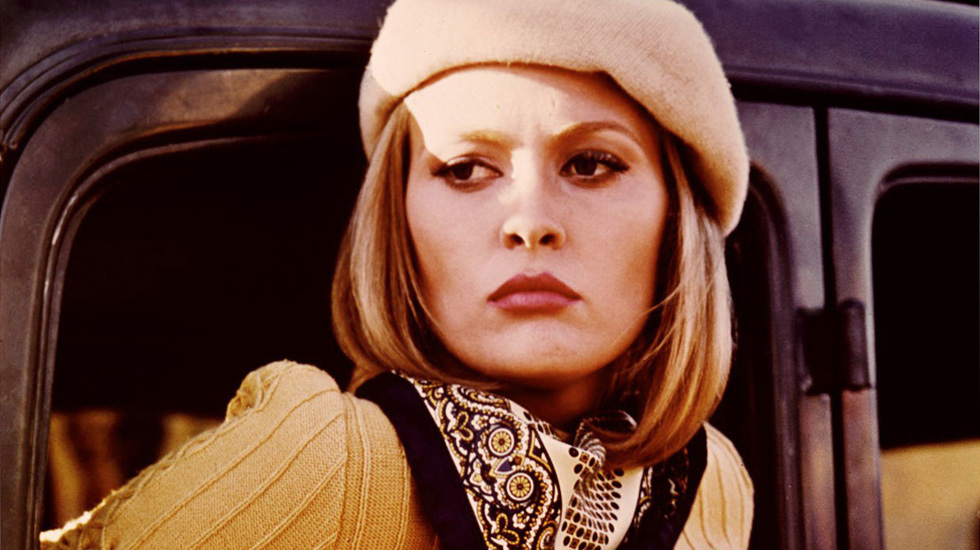
In the ‘70s and ’80s, stores and catwalks were still filled with adaptations of Hollywood’s greatest wardrobe hits. Faye Dunaway’s thirties wardrobe in Bonnie and Clyde has been credited with re-launching the beret and the cardigan, with midi skirts and twin sets taking over everyday fashion. Diane Keaton’s menswear-inspired ensembles in Annie Hall—created by the American fashion designer Ralph Lauren—were swiftly copied in both the exclusive pages of Vogue, and khacki trousers, tweeds, waistcoats, and slouchy fedoras by women became the epitome of chic. 1970s men’s fashion was transformed when John Travolta hit the big screen wearing his famous white disco suit and open-chest black shirt combo in Saturday Night Fever. Desperately Seeking Susan, featuring a young Madonna, showcased the expressive energy of youth culture in the 80s with bras and bustiers as tops underneath blazers and mesh tanks, teased, bleached blonde hair, and chunky layered jewelry.
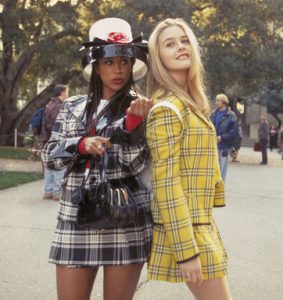
In the ‘90s, it was the male stars who became the fashion icons. While Alicia Silverstone sauntered the screen in mini skirts, plaid ensembles, and platform Mary Janes as Cher in Clueless, Tom Cruise started the comeback of retro aviator shades after he wore them in Top Gun. After the success of Quentin Tarantino’s second movie Pulp Fiction, the black suits and monochromatic outfits of French designer Agnès became synonymous with masculinity and cool (much like Keanu Reeves’s long swishing coat, his mobile phone, and his glasses in The Matrix).
Occasionally what stars chose not to wear had a major impact on fashion. In the early 1930s men commonly wore undershirts. Then Clark Gable, one of the decade’s top stars and most influential male icons, appeared in It Happened One Night. At one point in the film Gable brashly removes his shirt, revealing his bare chest—no undershirt. After the release of It Happened One Night, undershirt sales across the United States plummeted by a reported 75 percent.
In contemporary cinema, you can see the same pattern of imitatiojn when it comes to both clothes and accessories.
The dystopian tale The Hunger Games: Catching Fire was released three months before Thom Browne showed his fall 2014 collection, and it must have instantly caught the designer’s eye. Featuring multiple lamé jackets, skirts, and dresses and jackets with exaggerated sleeves, it’s easy to see the influence. The Wes Anderson film The Grand Budapest Hotel made such a large impact that Gucci’s new look is owed almost entirely to Anderson’s rarefied aesthetic, a fact that is specifically mentioned in designer Alessandro Michele’s work for Fall/Winter 2015, and also influenced looks from Anna Sui’s Fall/Winter 2014 collection.
And then there is also The Great Gatsby. In the ‘70s, the costumes from the first film adaptation were translated into a clothing line by Bloomingdale’s and sold exclusively in stores. When The Great Gatsby was re-made in 2013, it sparked a massive return to Jazz Age styles on the runway, influencing Marchesa, Marc Jacobs, Tory Burch, and Ralph Lauren. Prada also revealed a special costume exhibit at its flagship store in Soho to celebrate the 40 designs the brand helped create for the 2013 reboot.
Other companies have also been inclined to market a clothing line in tune with recent releases–H&M released a Dragon Tattoo line, and Nas a selection inspired by Ghostbusters.
In the last decade, however, the once-unchallenged role of movies in shaping fashion trends has been largely taken by television. The costumes for Carrie Bradshaw and her stylish tri in Sex and the City gave Manolo Blahnik stilettos a spike in sales, along with Fendi baguettes and nameplate necklaces. Variations of the crested blazers, mini-kilts, and headbands worn by the private school divas of Gossip Girl popped up in retailers everywhere. And most recently, the fashions of shows like Scream Queens, Scandal, and How to Get Away with Murder have become bestsellers, some even selling out online within days of their appearance on the show.
There’s always been something about Hollywood that draws people in and makes them want to be like the stars they see on the big screen. Without even realizing it, personal style and trends are influenced by fashions straight from the movies.
So even though fans might not be able to become their favorite stars, they can emulate them through their style. What more can we ask for?


Add Comment