




By Merilee Kern
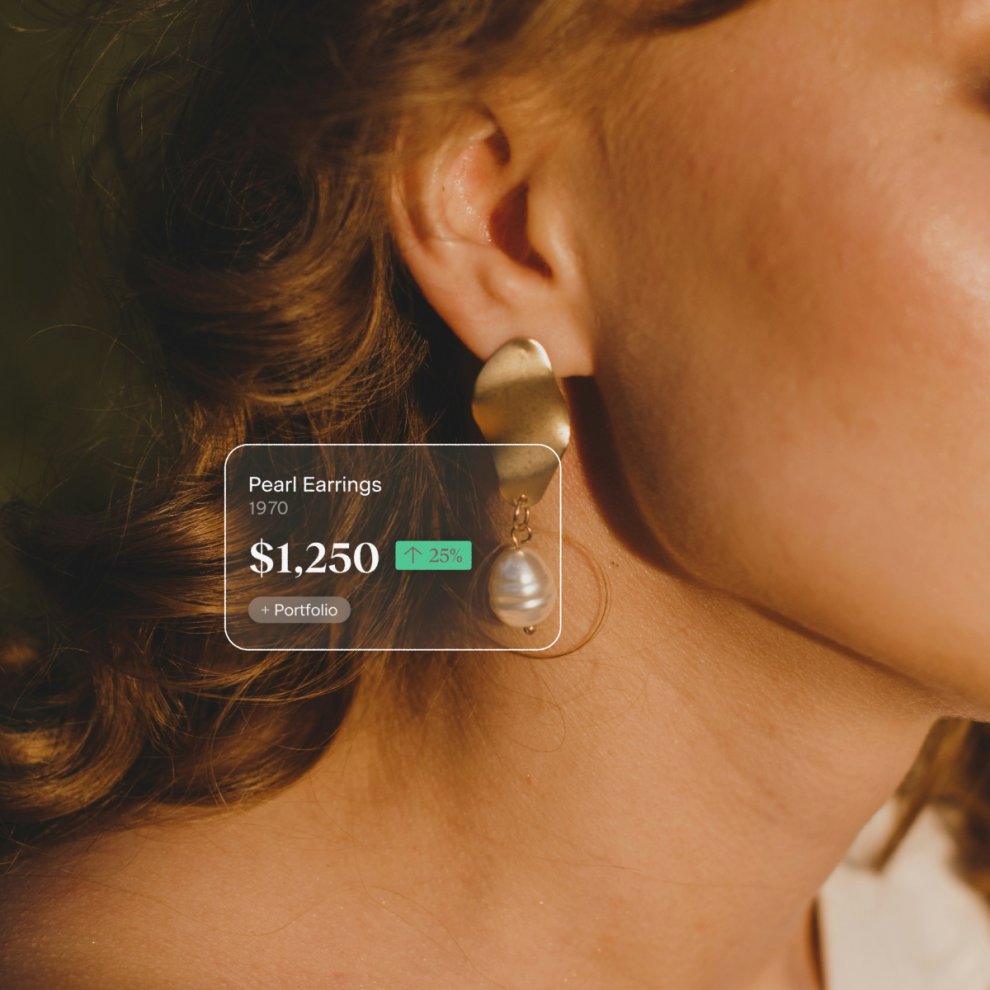
The jewelry industry is undergoing a structural shift driven by transparency, data and changing consumer expectations. Unvault, a fintech platform designed to ease and expedite the appraisal and sale of gold jewelry as readily monetizable assets, is positioning itself at the center of this transformation. By building infrastructure that redefines jewelry as a trackable, liquid asset class, Unvault closes the longstanding gap between emotional ownership and measurable financial value.
Historically, the jewelry resale market has been characterized by fragmentation, inconsistent pricing and limited trust. Retail markups can reach up to five times intrinsic value, creating a disconnect between purchase price and resale reality. At the same time, downstream liquidity remains relationship driven, leaving consumers uncertain about fair value.
Unvault addresses these inefficiencies by standardizing valuation, authentication and pricing logic. Its platform leverages AI-driven analysis combined with human review to produce data-backed estimates based on material composition and current market conditions. This hybrid model creates a foundation for consistency and scalability.
From a business perspective, jewelry represents one of the largest underdigitized asset categories. Billions of dollars in household value remain untracked and underutilized. By introducing portfolio tracking and real-time valuation, Unvault brings jewelry into alignment with other asset classes, such as equities, real estate and collectibles.
The company’s approach also aligns with broader macrotrends. The ongoing wealth transfer between generations is prompting reassessment of inherited assets. At the same time, the rise of lab-grown diamonds is reshaping perceptions of value and accelerating demand for transparency in pricing and materials.
Unvault’s platform captures these shifts by offering a comprehensive system that moves beyond resale marketplaces. It provides infrastructure that supports valuation, tracking and eventual liquidity. This distinction is critical for industry stakeholders evaluating long-term opportunities.
Operationally, the platform integrates computer vision, database matching and live market data to generate valuations within seconds. Items are compared against a database of authenticated pieces, with assumptions applied where necessary. Final values are confirmed through physical authentication, ensuring accuracy and trust.
The company’s traction underscores its market potential. With tens of thousands of valuations completed and significant asset value tracked, Unvault demonstrates both consumer demand and operational feasibility. Its leadership team, with backgrounds in finance, technology and product development, further strengthens its positioning.
For the fashion and jewelry industry, Unvault represents a shift toward infrastructure-driven value creation. Brands, retailers and investors must consider how transparency and data will influence consumer behavior and pricing dynamics.
As the industry evolves, the ability to quantify and communicate value will become increasingly important. Unvault’s model offers a blueprint for how this can be achieved at scale. By transforming jewelry from a static possession into an active financial asset, it opens new pathways for engagement, monetization and trust.
This is not simply a technological upgrade; it is a redefinition of how jewelry is understood within the broader economic landscape, and it signals a future where visibility, standardization and liquidity are central to the category’s growth.


