




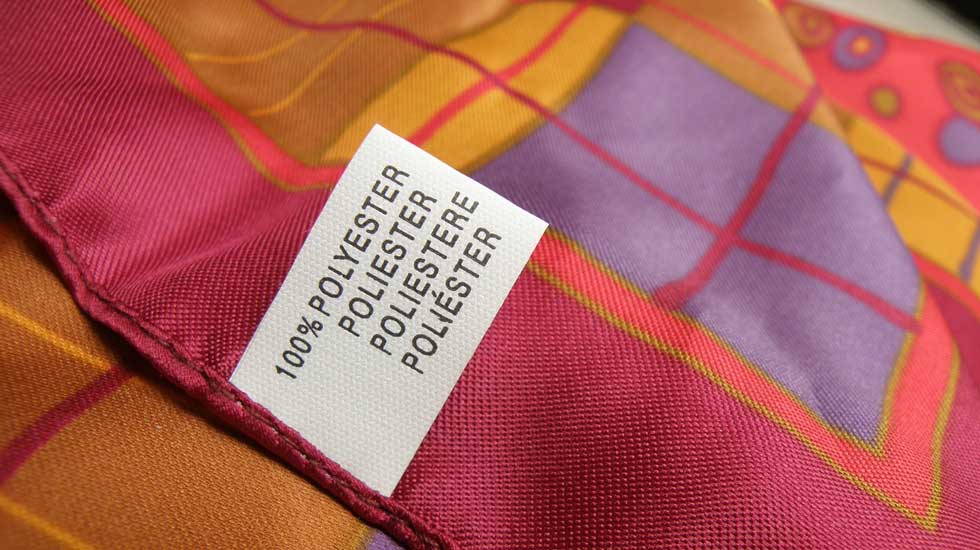
After the eccentric polyester fashions of the 70s, the fashion-conscious might be happy to see a law making polyester illegal. Although the fashion police might only joke of outlawing sleek, printed men’s blouses, or impossible-to-wrinkle, static-clinging button-downs, there is a real threat on the horizon to synthetic fabrics—including polyester. Between the efforts of environmental groups and state legislatures, the first battle in the war on synthetics has begun.
The environmental friendliness of synthetic fabrics is being called into question. With minimal scientific evidence, environmental groups and state legislators in California and Connecticut have been seeking to create laws based on an untested solution to address the environmental impact of synthetic fabrics.
It is quite unimaginable today to consider a world without synthetic fabrics. Look through your closet—most of your wardrobe likely contains some synthetic fabrics like polyester, nylon, or acrylic. Recent innovations in synthetic fabric technologies have greatly changed the polyester of the seventies, which was associated with uncomfortable, cheap clothes. Synthetic fabrics have evolved and are now key to making clothes comfortable. In fact, synthetics are what makes clothes (including athleticwear), stretchy, breathable, and moisture-wicking.
The Story of Microfibers
So why the sudden fear of synthetics? Let’s consider a fleece sweater made from polyester. Polyester is made from plastics that are stretched into very long, flexible threads. The threads are cut up into small pieces, to mimic the soft feel of cotton or wool fibers, and are twisted together tightly to make yarns. Those yarns become fabrics and apparel.
Now, let’s jump ahead to the part when we wash that fleece sweater at home. The story, at least according to environmental groups and state legislators, goes like this: we put the fleece sweater in the washing machine and, as it is tossed around in the water and detergent, tiny microfibers come loose from the yarns and wash down the drain. The microfibers go to a water treatment facility where filters capture contaminants in the water, but some of these tiny fibers pass through the filtration system and are released into local waterways.
Mixed Messages
Research generally supports some elements of this story so far. However, the problem occurs when information based on guesswork is used to sew fear in consumers. If proposed laws in California and Connecticut were to be put into action, consumers would be bombarded with messages implying that purchasing a fleece sweater will directly and negatively impact the environment. Laws like this, which promote untested solutions and add useless regulations and costs, get in the way of real progress. Until we understand the health impact of these microfibers and what solutions could reduce microfiber release into waterways, these laws that would frighten consumers with quasi-facts are irresponsible.
A More Thoughtful Approach
All we know at this point is that there are tiny pieces of plastic in bodies of water. Rather than spit-balling a solution without data, many apparel companies are researching microfibers and developing ways to make their products greener. Laws that regulate experimental solutions and unsupported consumer information could get in the way of companies’ genuine sustainability efforts. Think about a company using recycled plastic to make polyester, which is sometimes even harvested from sea debris itself. They would get hit by new rules regarding synthetic fabrics even though they make a product that is cleaning up the environment.
The apparel industry is already an active party in the movement towards environmental sustainability. It is counterproductive to use incomplete data to justify premature regulation and messaging to consumers when it stands in the way of innovation and research by companies. Unfortunately, this is likely only the beginning of the war on synthetics, so those who value the use of scientific evidence in lawmaking will continue the fight for synthetics.
If you would like to learn more about this and other issues in the supply chain, I encourage you to join AAFA in Seattle on August 8 for our Traceability Seminar. This program delivers business solutions, resources, and initiatives to keep our people, our communities, and our environment safe.
Kristen Kern
Government Relations Representative
American Apparel & Footwear Association
kkern@aafaglobal.org


Add Comment