





Is Instagram the way of the future when it comes to launching brands?
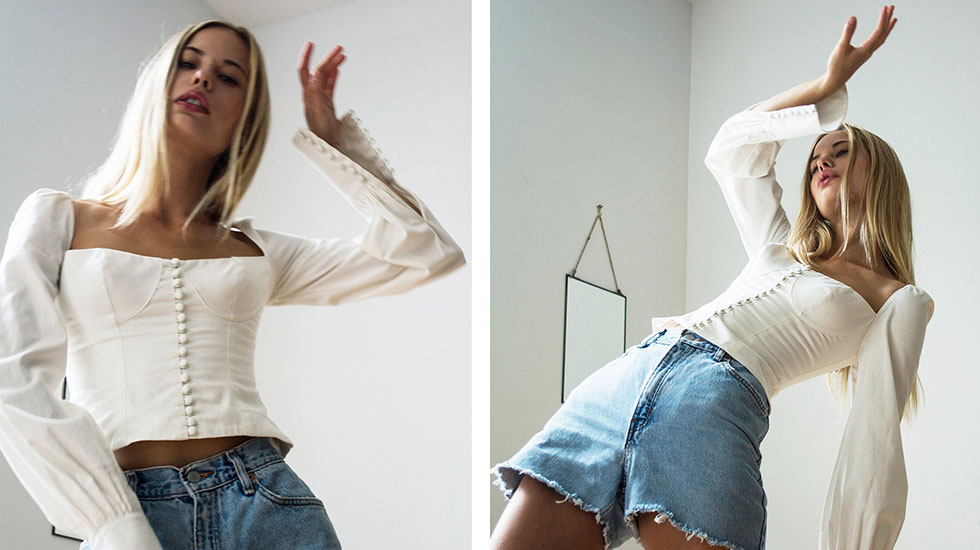
LPA. I.Am.Gia. Orseund Iris. Poppy Lissiman. Cult Gaia. Danielle Guizio. Fashion Nova.
Never heard of these brands before? Don’t worry, we wouldn’t be surprised. These are just a few of the ever-growing new wave of brands launching through Instagram.
We all know that Instagram is changing the fashion game; it’s common knowledge that a strong Instagram presence is a crucial component to any brand that wants to make it in the fashion world. Influencer marketing has become one of the most effective and widely used methods of building brand awareness and driving online sales. And in a time where the traditional fashion calendar and wholesale are less relevant, Instagram has become a launchpad of sorts for brands and designers alike.
Traditionally, launching a fashion line has been extremely expensive. In a 2014 article by Fashionista, Ari Bloom of A2B Ventures, a strategic advisory firm that often counsels young designers, estimated that a designer needs around $2 to $3 million to get a ready-to-wear clothing line off the ground. This money goes towards everything from hiring a support staff to renting an office, travel expenses, public relations, and the actual production of the collection (for a brand that uses fine materials, samples cost $100,000-plus per season).
Which is why a majority of brands are started by wealthy, privileged people—in many cases they are heirs to fortunes, their parents own factories, or they have personal net worths in the nine figures.
But Instagram has become one way to bypass many of the skills, schedules, events, and other expenses and parameters that were once necessary to launch a successful brand. For one thing, Instagram, and other modes of social media, is a cheaper way to gain brand recognition.
“While press appointments and showroom visits are still crucial to help drive traditional buzz around a new product launch, Instagram is a sure way to gain global exposure quickly, (especially if you are working with influencers) and cultivate relationships with a community of potential customers,” Sarah Owen, WGSN’s senior editor of digital media & marketing told Fashionista.
For Paris Starn, the founder of Pars 99, her success came from her connections and the ripple effect that often comes when knowing the right person with a great Instagram following. She gained a lot of press when random strangers and stylists direct messaged her after posting herself in clothes she made herself on her personal account; had her two friends Eileen Kelly and Paige Reifler model for her first shoot (who have 401,000 and 94,000 followers respectively); was able to use a relationship from her intern days at Opening Ceremony to land an exclusive with a retailer; and had The Man Repeller’s Leandra Cohen regram a post, resulting in 1,000 new followers for the brand.
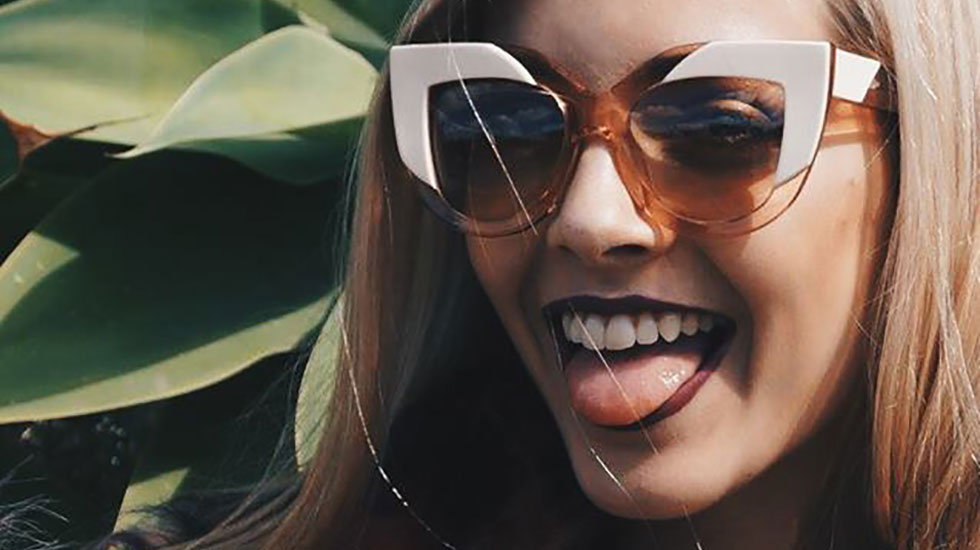
For some others, connecting with the right stylist is all it takes to reach the limelight. Australian accessories designer Poppy Lissiman simply reached out to Bella Hadid’s stylist, and in turn has had her “Le Skinny” sunglasses worn by Hadid multiple times. Thank her for the skinny sunglasses trend.
The important thing to note is that Starn and Lissiman are more the exception than the rule—it’s quite unlikely for a designer to go from total obscurity to Instagram success overnight. A common thread for many “Instagram brand” success stories is that they already have strong personal followings and/or friends with large followings. And more followers equals more exposure.
There are some major benefits to being an “Instagram brand,” like having a direct line to customers to interact and get feedback. There is also the ability to make clothes on your own schedule. According to Lissiman, she only releases new items when she feels the need or when it is financially viable. No more seasons, only good clothes when it’s good for the brand.
But just with any other type of business, there are also downsides. Many brands risk overexposure of a certain style, which down the line could dilute the prestige of the product. So they must strike the balance between what’s trendy and what truly fits their brand aesthetic. Another problem is knockoffs: The more visible a brand is on Instagram, the more susceptible it becomes.
While some might say Instagram creates opportunities, critics argue that it’s ruining the fashion industry, and allowing people without any training to become successful without paying their dues.
So is Instagram leveling the playing field or cheating the system? That will probably be the question for years to come.


Add Comment