




Retailing has used the same traditional tactics of marketing brands and product benefits for decades. Intended to entice customers to purchase products, these techniques to attract customers have had some serious challenges from online retail. The adage, “Build it, and they will come” doesn’t work for retail. With the advent of e-commerce, traditional brick-and-mortar retail has lost ground – in both customers and sales. How do retailers regain the edge they once had? To survive this competitive environment, retail clearly needs to do something different.
Traditional Marketing
The customer’s trust in traditional marketing has vanished. Customers would rather learn from their own experiences. As much as we’d like to think the customer’s buying decisions are made with logic and intent, they are largely based on emotion.
No longer is the focus on the “what” (the product attributes and benefits). Now, it’s all about the “how” — how to engage the customer in such a way that they become a loyal customer. Consumer engagement is the emotional connection between the shopper and the store. Customer service is part of the package, but it’s only part. What else can traditional retailers do?
Need States
First, let’s look at what motivates the customer. How do we tap into that emotional connection? In the article “Emotional EQ,” four emotional needs states were identified (in rank order): release, or escape from daily life; enrichment, which is learning something new; belonging, which is acceptance as a member of a group, and identity, the qualities that make a person different from others.
No two people are the same when it comes to satisfying a need state, so it comes down to attracting the customer emotionally with an experience.
Building Memories
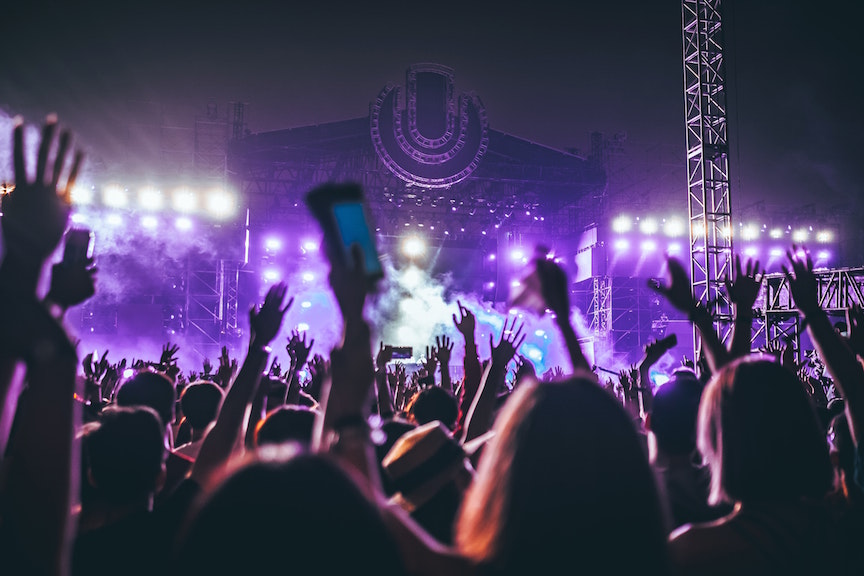
We can all remember our first rock concert. Mine was the Rolling Stones, and I was 16 years old. I loved the Rolling Stones; still do. The crowd, the music, the excitement — it was a memorable experience.
Similarly, think about Coachella, the music festival in a southern California desert that books well-known musical artists and attracts hordes of fans. The festival even inspires fashion trends. (By the way, sponsorship goes a long way at events like this.) It’s the Generation Z version of Woodstock. It’s popular because of the fun, the music, the people, the memories. And there it is: building memories through experiences. When was the last time we could say that about a retail store?
Retailtainment
Many malls have embraced this idea of “retailtainment” – the combination of retail shopping and entertainment. Over 20 years ago, George Ritzer described retailtainment as using ambience, emotion, sound and activity to engage the customer. In the past, shopping malls have done it with the addition of museums, food courts and movie theaters. Nordstrom did it with a piano player situated in the middle of the store. Other retailers used in-store demonstrations, like the application of make-up products.
Old-school department stores from the 1970s and ‘80s did a combination of retailing and entertainment. Ideas included bringing in a teddy bear designer to the toy department, demonstrating a pasta making machine in the housewares department, having a recognized linebacker sign footballs in the sporting goods department or staging an in-store fashion show with merchandise from the store. We were on the right track then. What happened? Budgets happened. Small margins happened. Lean retail became the mantra. Streamlining business operations is all well and good, but we lost sight of the customer.
Experiential Retail
We’ve been hearing about experiential retail for a couple of years now. Take, for example, Google’s Manhattan pop-up store from a few years ago. Customers could jump into a foam-filled snow globe to pose for pictures taken with Google’s new smartphone. Google created an event (the snow globe) which provided an experience (a chance to play in the globe), and it gave consumers the chance to interact with the product. This likely translated into more than a few purchases.
So, what is experiential retail? It’s about providing an experience for the customer rather attempting to simply attract them to the product. To become a memorable brand, retailers must provide more than merchandise and good customer service. They must tap into the emotions of their customers to keep them engaged. It’s not simply about selling fashion; it’s how customers feel about the process.
Identify the Need
Start out by defining your customers by psychographics. What do they like to do? How can you provide for their desire to do what they like to do? Remember, it’s about addressing needs.
Then, ask yourself about the four key categories. What type of escape can you entice your customer with? Maybe a makeover from top to toe, eliciting involvement from other stores and service providers. What can you add to their lives to provide enrichment? Maybe bring in a local influencer or blogger to talk about or show new fashion trends and how to wear them. How can you create a sense of belonging? Maybe create a fashion club along with a newsletter to members. What can you do to help create identity? Maybe establish a preferred customer level for shoppers with a discount on purchases or premiere shopping hours.
Creating the Experience
Begin by asking yourself questions about your retail business. What experience does your store provide now? What experiences do your customer want? How can the store provide the experience to satisfy that need?
Once you have those answers, create an experience for your customers, and then provide that experience. Provide for your customer’s needs, and create that emotional connection for your store. Then, assess and improve that experience. Did the experience create more traffic in the store? Did the experience increase sales?
Remember to continually up your game. Your customer may tire from the same experience over and over. You may need to create new experiences. The point is, experiential retailing can improve your customer relations by recognizing and addressing their needs as well as improve the store’s image and increase sales. And that’s the real bottom line.
Linda Tucker
Apparel Merchandising and Management
California State Polytechnic University, Pomona
lindabtucker.edd@gmail.com
213-324-5914


