
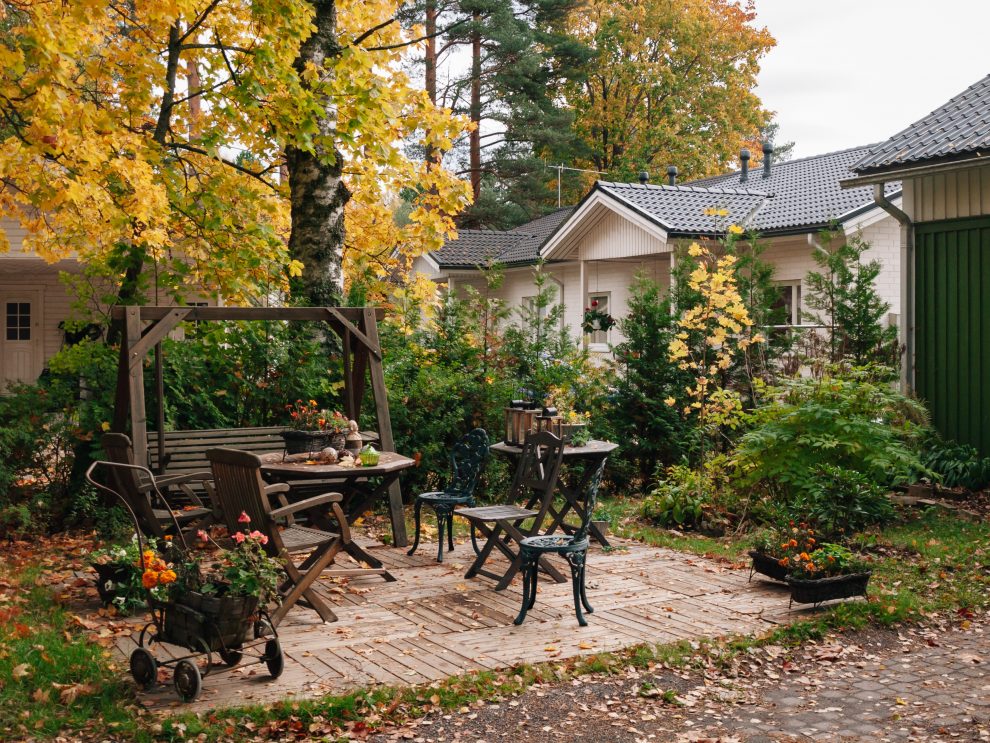
The green spaces in your family yard, community parks and school yards have purposes beyond looking beautiful. They are also environmental superheroes. Our yards, parks and community green spaces capture and filter rainwater, produce oxygen and absorb carbon. Our green spaces are also an important part of the connected ecosystem that provides food and shelter for pollinators, such as birds, bees, butterflies, bats and other creatures that are responsible for bringing us one out of every three bites of food we eat, according to Pollinator Partnership.
By becoming a steward of your backyard, you can have a positive impact on our environment and help mitigate the effects of climate change on a micro level. Here are just a few of the ways your yard benefits the planet:
Plants slow and capture rainwater. Water sheets off hard surfaces, asphalt and other hardscapes in cities and suburbs. Grass and plants slow down and capture this water, recharging underground aquifers.
Green space is a carbon sink. Carbon sinks absorb the greenhouse gas carbon dioxide from the atmosphere. Plants absorb carbon dioxide from the atmosphere to use in photosynthesis. Some of this carbon is transferred to soil as plants die and decompose. The dense canopy and fibrous root system in a lawn sequesters carbon so well that it outweighs the carbon used for maintaining the grass by as much as seven-fold, according to researchers at the University of Arkansas.
Plants produce oxygen. Plants, grass, trees and shrubs are oxygen-producing machines. In fact, a 25-square foot area of turf supplies enough oxygen to support one person for a day, according to the Lawn Institute. Furthermore, researchers at North Carolina State University found that one large tree can provide a day’s supply of oxygen for up to four people.
Living landscapes support biodiversity and wildlife. Your yard and our parks, schoolyards and other community green spaces are vital to the world’s ecosystem. Remember, nature starts in your own backyard. Scientists have discovered that increasing the biodiversity of urban green spaces can help people and the planet adapt to the urban environment in the face of climate change. There is evidence that this message is catching on. According to the 2020 National Gardening Survey from the National Wildlife Federation, more Americans are purposefully planting for pollinators and wildlife than ever before.
Living landscapes combat heat. Called the “heat island effect,” air temperatures in cities, even after sunset, can be as much as 22°F warmer than air in neighboring regions. Yards and other green spaces help mitigate the heat island effect. Turfgrasses dissipate radiant heat through a process called evapotranspiration. Planting vegetation and grass or installing a green roof are among the strategies the EPA recommends in order to combat heat islands.
Not only do living landscapes benefit the planet, but they are also good for our health and well-being. “Backyarding” by exploring and appreciating nature — starting in our own backyards and community green spaces — reduces stress, improves memory, boosts heart health and offers a host of other benefits for our minds and bodies. Additionally, green space is where people reconnect with nature and one another, making memories and creating a healthier, happier life.
One final and important note: Creating a yard that supports the planet, as well as your family’s outdoor lifestyle, means identifying your backyard personality type and then taking stock of what you might need to create and care for your outdoor space. Be purposeful when selecting plants for your family yard by putting the right plant in the right place. Location, maintenance, sunlight and watering requirements must all be considered, in addition to your climate zone and lifestyle needs. To learn more refer to the USDA’s Plant Hardiness Zone Map.
For more tips, sign up for Mutt Mail, a monthly e-newsletter with backyarding ideas and all the news from the TurfMutt Foundation. To learn more about creating the yard and outdoor office of your dreams, visit turfmutt.com.
Kris Kiser
Outdoor Power Equipment Institute
1605 King Street
Alexandria, VA 22314
turfmutt.com
opei.org
(703) 549-7600