
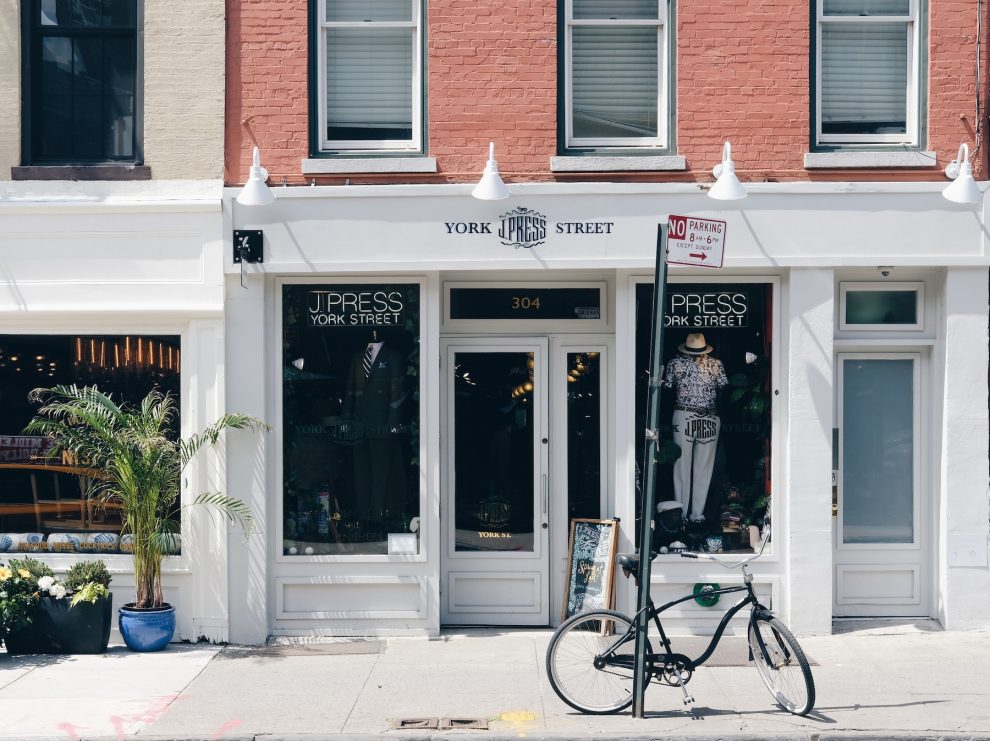
In the retail leasing sector, a huge about-face has taken place in recent years. After decades of pursuing national or regional creditworthy chain retailers, many managers are now looking to bring uniqueness and local flavor to their properties, be they shopping centers or main streets, by leasing to mom- and-pop, entrepreneurial tenants.
The result can bring diversity to the property but can pose a challenge. Mom and pops may know how to make and sell their wares, but do they know how to market themselves?
To help, marketing agency Zenergy Communications and Downtown Strategies, a division of Retail Strategies that is a specialist in recruiting businesses and redevel- oping communities, have teamed to create a program that teaches entrepreneurs in very small markets the basics of marketing today, including social media and more.
“During the pandemic, we saw large companies like Walmart and Starbucks focus on their apps. They went all in,” said Jennifer Gregory, president of Downtown Strategies. “We could bring these trends to lo- cal mom-and-pops who have not focused on social media.”
The pandemic exposed just how vulnerable small retail could be, she continued, especially as con- sumer expectations increased to include online ordering, curbside pickup and more. But it also offered opportunity, as shoppers stayed close to home.
“People remained in their secondary markets, and they remain more important now,” said Linda Farha, founder and president of Zenergy. “How do we help these merchants and vendors?”
Gregory’s business initially worked with the municipalities and land- lords, helping to bring in loans and grants to support downtown retail and find entrepreneurs. But she saw that these business owners also needed help with the basics of building a database of customers, websites and more. That’s when she turned to Toronto-based Zenergy, which has worked on media and marketing campaigns in multiple industries, including aerospace, life sciences and telecommunications as well as retail and real estate.
“This is not a linear world we live in,” Farha observed. “We show them how to be online, how to build a customer database, segment that database and create content that hits these different segments. It drills down to what are their preferred social media, what time of day to post.”
The program features a webinar entitled “Retail Through the Lens of Omni-Channel,” supported by sessions guiding small business owners through the process of creating marketing campaigns using relevant channels, platforms and devices to promote products to customers and prospects. The module provides an integrated understanding of omnichannel and digital marketing possibilities along with one-on-one sessions for personalized support. For example, a Powerpoint drills down into the definition and importance of customer segmentation, by geography, demographics, psychographics and more. Case studies illustrate the points.
And the number of new businesses continues to grow.
“During the pandemic, we started to see people questioning their livelihoods, and this is creating a new generation of entrepreneurs,” Farha said.
Farha and Gregory remain available to offer advice going forward. One entrepreneur had to shut down her storefront because she couldn’t risk exposing her husband, then battling cancer, to COVID-19. Instead, the two suggested that she sell one new item per day, available for pickup at the window. Her husband remained safe and she reopened her business.
“The training is so important, but just having an advocate who is not part of your everyday operations helps, too,” Gregory said.
Its focus on tertiary markets, often with 15,000 people or less, such as Youngstown, Ohio makes even more of an impact. Even as shoppers are returning to the oce, at least part-time, they’re still staying closer to home. And that bodes well for the future.
“There’s a real opportunity for these businesses to grab,” Gregory said. “But you have to oer a good experience, which could include uniquely wrapping gifts.”