
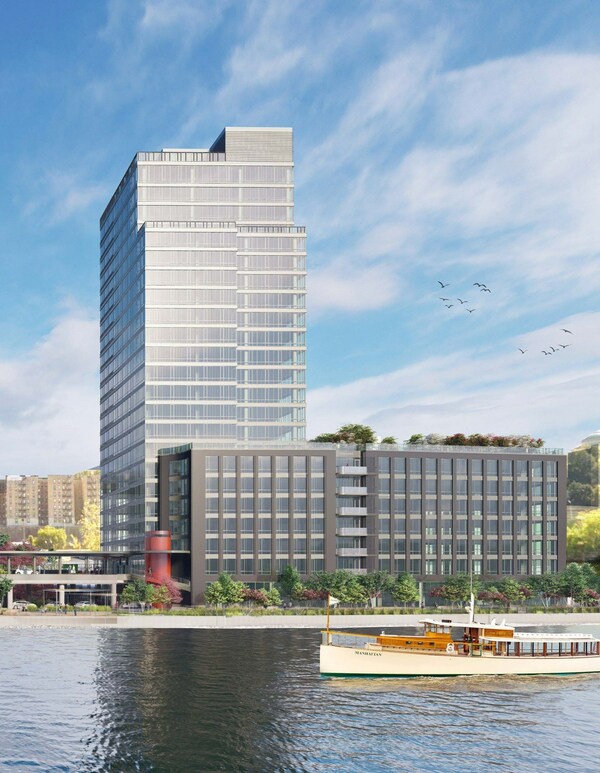
In the rapidly evolving realm of urban development, mixed-use developments have emerged as a transformative force. These dynamic, integrated spaces have, over the years, altered how individuals live, work and shop. Over the years, we have been fortunate to witness the evolution of mixed-use developments and believe that the future holds even more exciting changes.
As we explore forthcoming trends in retail within urban mixed-use developments, these developments offer a myriad of benefits, and opportunities for developers to reinvent and enhance them. Additionally, sustainability and how it shapes the future of commercial real estate is paramount for the future.
Changing Retail Landscape in Mixed-Use
Over the past decade, the retail landscape within mixed-use developments has experienced a significant shift. According to a report by the National Retail Federation (NRF), retail trends for 2023 include an emphasis on experiential shopping, personalized customer experiences and technology integration. Gone are the days when people visited mixed-use developments solely for their everyday needs. Today, these developments are expected to provide an immersive, holistic experience.
Shoppers now seek out unique, memorable experiences that transcend mere transactions. They want to connect with brands and establishments on a personal level. As a result, retailers are rethinking their strategies, focusing on creating spaces that are not just places to buy things but destinations in themselves.
Virtual and augmented reality (VR/AR) technologies are playing an increasingly significant role in this shift. These technologies enable retailers to offer immersive shopping experiences, from virtual try-ons for fashion enthusiasts to interactive product demonstrations. Moreover, they allow customers to explore mixed-use developments and discover hidden gems, encouraging longer stays and increased spending.
Another pivotal factor reshaping retail in mixed-use developments is the rise of e-commerce. While some might argue that online shopping threatens brick-and-mortar stores, we believe it presents an opportunity for reinvention. Physical retailers are adopting an omnichannel approach, blending in-person and online shopping seamlessly. This integration allows for more personalized shopping experiences, with AI-driven recommendations and the convenience of ordering online and picking up in-store.
The Benefits of Mixed-Use Developments
Mixed-use developments have always held a unique allure, offering a combination of residential, commercial and recreational spaces within a single location. As we peer into the future, we are confident that these benefits will become even more pronounced.
First and foremost, mixed-use developments enhance the quality of life for residents. The proximity of homes to workplaces, shops and recreational areas reduces commute times and fosters a sense of community. Moreover, the diverse array of amenities within these developments caters to the needs and preferences of a wide range of individuals and families.
From a sustainability perspective, mixed-use developments are inherently more environmentally friendly than their sprawling, single-purpose counterparts. They promote walkability, reduce the need for long commutes and encourage the use of public transportation. These factors not only reduce greenhouse gas emissions but also contribute to the overall well-being of the community.
Economically, mixed-use developments provide a robust platform for businesses to thrive. The coexistence of residential and commercial spaces ensures a consistent customer base for retailers. Moreover, the integrated nature of these developments creates a synergistic effect, where the success of one element feeds into the success of others.
Opportunities for Developers to Reinvent and Improve
Developers are at the forefront of shaping mixed-use developments, and they are well-positioned to harness the opportunities the future holds. Here are some strategies for developers to reinvent and improve these spaces:
- Embrace Technology: Incorporate cutting-edge technologies, such as IoT (Internet of Things) for smart buildings and data analytics for predictive maintenance. These technologies not only enhance the efficiency of operations but also improve the overall user experience.
- Flexible Design: Design spaces that can adapt to changing needs. The COVID-19 pandemic highlighted the importance of flexibility in design. Retail spaces that can easily convert to accommodate pop-up shops or outdoor dining, for example, can better weather unexpected challenges.
- Sustainability: Integrate sustainable design principles from the outset. Green roofs, energy-efficient lighting and rainwater harvesting systems are just a few examples. Sustainable features not only reduce environmental impact but also appeal to environmentally conscious consumers.
- Community Engagement: Foster a sense of community within mixed-use developments. Organize events, create public spaces and encourage local artists and entrepreneurs to showcase their talents. Community engagement will enhance the overall atmosphere and attract more visitors.
- Diverse Tenant Mix: Curate a diverse mix of tenants. A variety of retail offerings ensures that mixed-use developments remain vibrant and appealing to a broad audience. Consider a blend of established brands, local artisans and experiential offerings.
Creating “Healthy” Buildings
As we look to the future, the concept of “healthy” buildings is gaining prominence. Healthy buildings are designed with a focus on the well-being of their occupants, prioritizing factors such as indoor air quality, natural lighting and ergonomic design. The COVID-19 pandemic accelerated this trend, with people becoming more conscious of the indoor environments they inhabit.
Sustainable commercial real estate is at the forefront of this movement. Green building certifications, such as LEED (Leadership in Energy and Environmental Design) and Well Building Standard are becoming increasingly important in commercial real estate. These certifications emphasize sustainable and health-centric design principles, making them integral to the future of mixed-use developments. Healthy buildings not only benefit the well-being of occupants but also provide economic advantages. They can command higher rental rates and attract tenants who prioritize employee health and productivity. Additionally, they align with the growing expectations of consumers who want to patronize businesses that prioritize sustainability and comfort.
Conclusion
The future of retail in urban mixed-use developments is promising and brimming with opportunities for innovation and posi- tive change. We anticipate a continued shift toward experience-based retail, driven by technology and a desire for unique, immer- sive shopping experiences. Mixed-use developments will remain a vital part of urban living, offering an array of benefits to residents, businesses and the environment.
Developers have a pivotal role to play in shaping the future of these spaces by embracing technology, sustainable design, flexibility and community engagement. Moreover, the rise of “healthy” buildings underscores the importance of focusing on the well-being of occupants and aligning with the growing demand for sustainable, health-centric spaces.
As we navigate the evolving landscape of urban mixed-use developments, we believe that the future holds endless possibilities for creating vibrant, sustainable and people- centric spaces that enrich the lives of those who inhabit them. With innovation, collab- oration and a commitment to the greater good, we can look forward to building a fu- ture where urban mixed-use developments truly reflect the aspirations and needs of our ever-evolving society.
Brad Zackson is the co-founder and director of development at Dynamic Star LLC, and Stan Eckstut is a principal and board director of Perkins Eastman. They are collaborating on the master-planned design of Fordham Landing, a transit-oriented waterfront mixed-use project in New York City.