
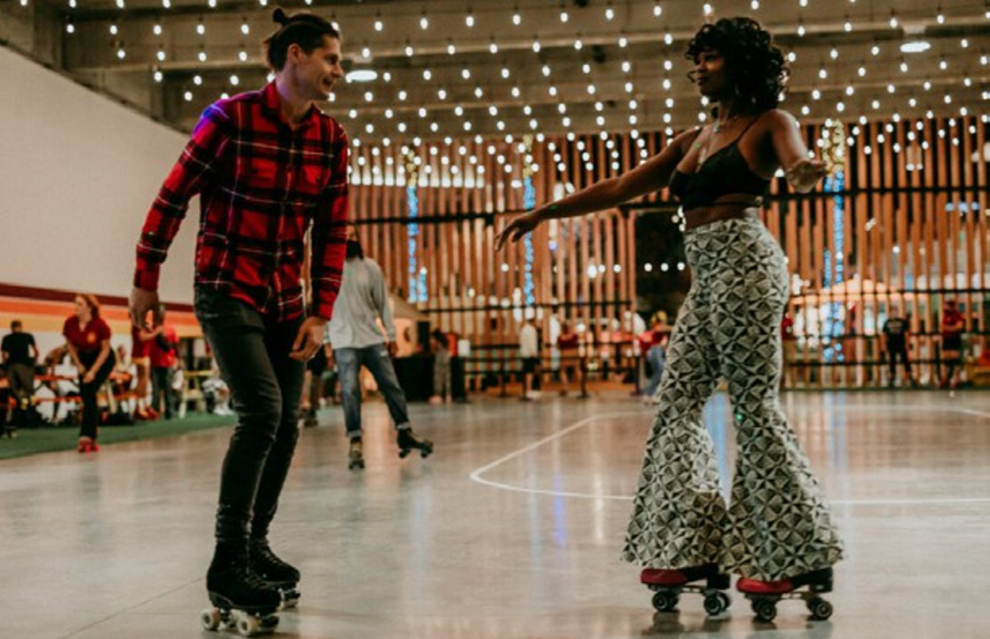
Retail centers are evolving, with experience at the forefront and entertainment venues emerging as the new anchors. Consumer expectations are at an all-time high, driving retailers to engage custom-ers like never before. Gone are the days when shopping centers relied on products to drive sales. Today, customers are seeking out places that can deliver a 360-degree experience, encompassing fun activities, great food, new entertainment, as well as the latest products, goods and services.
As the era of the department store as the only anchor fades, reimagining existing shopping centers is increasingly important to developers, cities and communities. The rise of sports and adventure tourism delivers the perfect opportunity to fill the void, revitalizing retail destinations and offering something new. Today, we are seeing sports and adventure-themed offerings such as pickleball, surf parks, mini golf, bowling, indoor climbing gyms, roller skating rinks and trampoline parks replacing former department store locations. Additionally, live music and entertainment venues like theaters and comedy clubs, as well as family entertainment centers (FECs) like arcades, batting cages, go-karts and bumper boats are great ways to attract visitors and keep them coming back for more.
Slated to open at the end of 2024 in Mesa, Arizona, Dink & Dine Pickle Park sets the stage for a pioneering era in “sportstainment,” seamlessly blending play, entertainment and refi ned culinary experiences. This newly adapted complex spans 72,000 square feet, boasting both indoor and outdoor pickleball courts, a dedicated dog park, a food hall, bars, expansive event spaces and a live entertainment arena. The architectural design of the facility is both elegant and timeless, featuring three iconic grand entry towers and an open-concept layout within a welcoming, family-friendly atmosphere.
Overall, the trend of entertainment venues as the new anchor in retail center developments is a positive one for both consumers and developers. Entertainment venues offer a fun and engaging experience for shoppers, and they can help to revitalize retail centers. Developers who are able to attract entertainment anchors to their properties can benefit from increased traffic, sales, dwell times, rental rates and an overall more vibrant and inviting center.
When designing and planning retail centers with entertainment anchors, it is important to keep the following best practices in mind:
1. Create a mix of uses: The best retail centers offer a variety of uses, including entertainment, shopping, dining and office space. This mix of uses creates a vibrant and inviting environment for shoppers, increasing dwell time, which is key to the success of all centers.
2. Make it easy to get around: The retail center should be easy to navigate, with clear wayfinding and ample parking. Shoppers should be able to easily get from one entertainment venue to another, as well as to the surrounding shops and restaurants.
3. Design for flexibility: The retail center should be designed in a way that allows for flexibility in the future. Multi-purpose spaces allow areas to be easily converted to support a variety of uses.
4. Integrate art and landscape: Placemaking is critical in establishing an experiential retail center. Elements like local art, verdant landscape, outdoor furniture, pocket parks, found objects and water features create unique and Instagrammable moments where people want to gather and be seen in person and on social media.
5. Incorporate green features: Shoppers are increasingly looking for retail centers that are sustainable and environmentally friendly. Developers can incorporate green features such as solar panels, rainwater harvesting and energy-efficient lighting.