
JLL has arranged two fitness leases totaling more than 31,000 square feet in northern New Jersey, reflecting continued momentum in the wellness retail sector as operators prioritize high-visibility, convenience-driven locations.
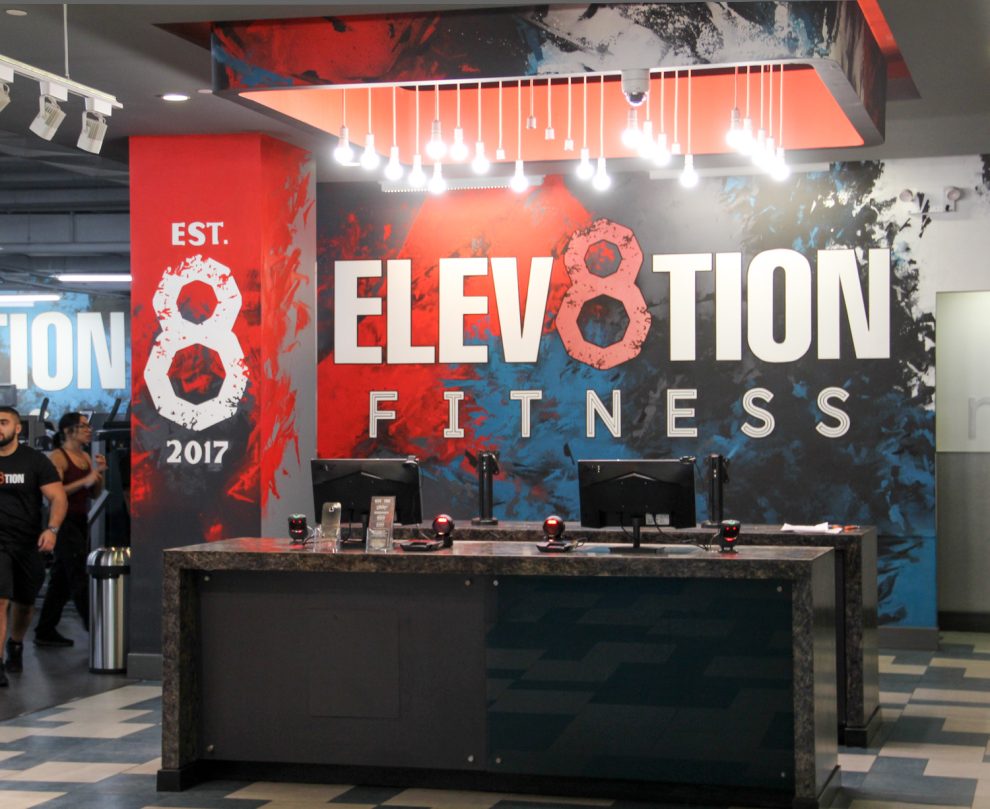
Elev8tion Fitness leased 14,750 square feet at Bergen Town Center in Paramus. Anchored by Whole Foods and Target, the center offers the visibility, parking and co-tenancy that fitness tenants increasingly prioritize as they look to capture daily consumer traffic. JLL represented ownership and the tenant was represented by Michael Dibi of Keller Williams City Views Realty.
Planet Fitness leased 16,561 square feet at 663 Main Ave. in downtown Passaic, positioning the national fitness brand in a dense, transit-accessible urban corridor with strong demand for convenient health and wellness options. JLL brokered the deal directly with the landlord, the Hanini Group.
Led by Managing Director David Townes and Vice President Alana Friedman, JLL’s New Jersey Retail Advisory team is seeing aggressive expansion by fitness and wellness operators across northern New Jersey.
“Consumers continue to prioritize health, wellness and accessibility and fitness operators are responding by securing space in locations that make workouts easier for them to integrate into their daily routine,” said Townes. “These recent deals highlight the range of opportunities available for brands that understand how to pair access with demand, especially for established retail destinations like Bergen Town Center and the downtown Passaic market.”
According to JLL’s Q1 US Retail Insights report, fitness concepts remain among the most active retail growth categories nationwide as brands collectively add hundreds of locations amid sustained consumer demand for health, wellness and experiential retail offerings. Most recently, Crunch Fitness has expanded its New Jersey footprint by 190,000 square feet through a five-location acquisition and multiple fitness concepts targeting Bergen, Hudson and Newark-area markets.
The newest leases also reflect a broader shift in retail leasing as experiential and service-oriented tenants drive the bulk of activity in well-located shopping centers and downtown districts. Fitness concepts are targeting locations with strong parking, public transportation access, dense residential populations and complementary retail offerings.
“In today’s market, the most successful fitness concepts are treating real estate as part of the customer experience, selecting sites that seamlessly integrate into consumers’ everyday routines,” Friedman noted. “We anticipate the sector will continue to deepen its presence in mixed-use and high-traffic retail settings as operators focus on accessibility, frequency of visits and long-term customer engagement.”