
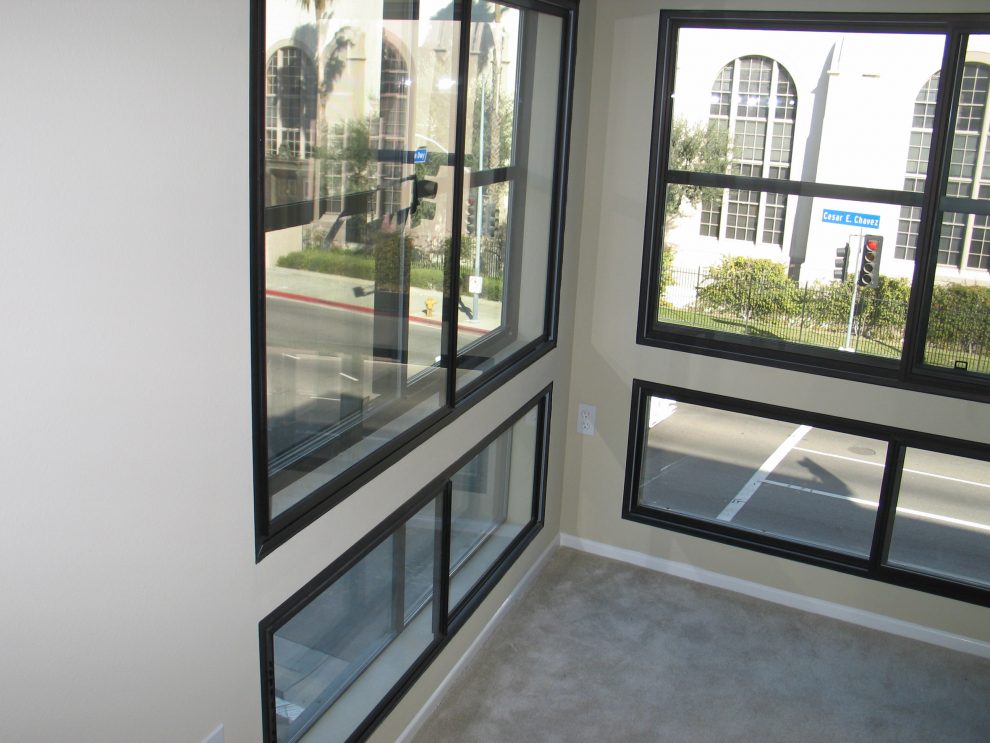
For many homeowners, soundproofing their home to eliminate the cacophony of nearby traffic, loud neighbors, leaf blowers, barking dogs and sirens can be critical to maintaining their sanity and keeping peace in the neighborhood. Although most external noise passes through windows, many feel that replacing existing windows is not feasible due to the cost, demolition and disruption involved.
The good news is that window replacement is not necessary to resolve the issue. Soundproof windows eliminate up to 95% of outside noise and can be quickly installed without window replacement at roughly the same cost.
“When people think of soundproof windows, they immediately assume that the existing windows will all have to be replaced, but there is no need to remove or replace the existing windows to eliminate outside noise,” said Randy Brown, president of Soundproof Windows Inc., a national manufacturer of window and patio door soundproofing products. “A soundproof window is a second professionally engineered window placed inside the ex- isting window, with an appropriate air gap and long-lasting seals, that can open and close just like the existing one.”
A soundproof window can dramatically reduce the intrusion of outside noise, effectively doubling a single-pane window Sound Transmission Class (STC) rating from 26-28 to 48-54, Brown observed. This far surpasses a double-pane window’s STC Rating of 26-32.
Because no replacement is required, the installation can take less than one hour per window while minimizing mess and disruption. Qualified contractors and even handy DIYers can install soundproof windows where necessary, providing considerable savings versus traditional window replacement. The soundproof windows also enhance comfort and energy savings with extra thermal insulation and can even increase home value.
Contractors advise many homeowners looking to reduce external noise to install double-pane windows. A double-paned window, constructed with two panes of glass in a frame, contains air space filled with gas such as argon, xenon or krypton. However, the purpose of this gas is to enhance insulation capabilities, not block noise. Although separating two panes of glass and filling the gap with gas can reduce noise, the reduction is only from 0% to 20%, which is slightly more than traditional single-pane windows.
When replacing windows for noise reduc- tion, contractors typically change out all the existing single-pane windows throughout the house. The challenge is that the window replacement process can be disruptive and messy. Window replacement also sometimes requires patching and repainting any exterior wood or stucco damaged during installation, as well as installing and painting new casing and trim molding.
On the other hand, soundproof windows are specifically designed to reduce intrusive noise from entering on three fronts: the type of materials used to make the pane, the ideal air space between the original window and insert and the use of improved, long-lasting seals. The combination can reduce external noise by up to 95%.
The first noise barrier is laminated glass, which dampens sound vibration much like a finger on a wine glass stops it from ringing when struck. An inner PVB layer of plastic further dampens sound vibrations. An air gap of two to four inches between the existing window and the soundproof window also significantly improves noise reduction because it isolates the window frame from external sound vibrations. Finally, spring-loaded seals put a constant squeeze on the glass panels, which prevents sound leaks and helps to stop noise from vibrating through the glass. Designers created the spring-loaded seals to stay acoustically sound for 15 years.
“Installation can take as little as 30 minutes per window without the complexity, disruption, mess and cleanup of traditional window replacement,” said Brown.
He added that the approach can also end up costing much less than window replacement.
“Selectively adding a soundproof window to only areas exposed to noise, such as a bedroom facing a street, can also save a considerable amount compared to window replacement,” he said.
Whether the noise problem is due to intrusive street traffic, planes, trains, construction, rowdy neighbors, nightlife or special events, the soundproofing technology quiets the clamor, which enables more restful sleep and more peaceful conversation at home.
A quieter home environment can increase focus and productivity for those working at home or telecommuting. Those pursuing on-line learning or homeschooling can benefit.
While contractors and homeowners have traditionally thought of window replacement to quiet noise, adding soundproof windows is a much faster, simpler and less disruptive option to cost-effectively resolve the issue.