
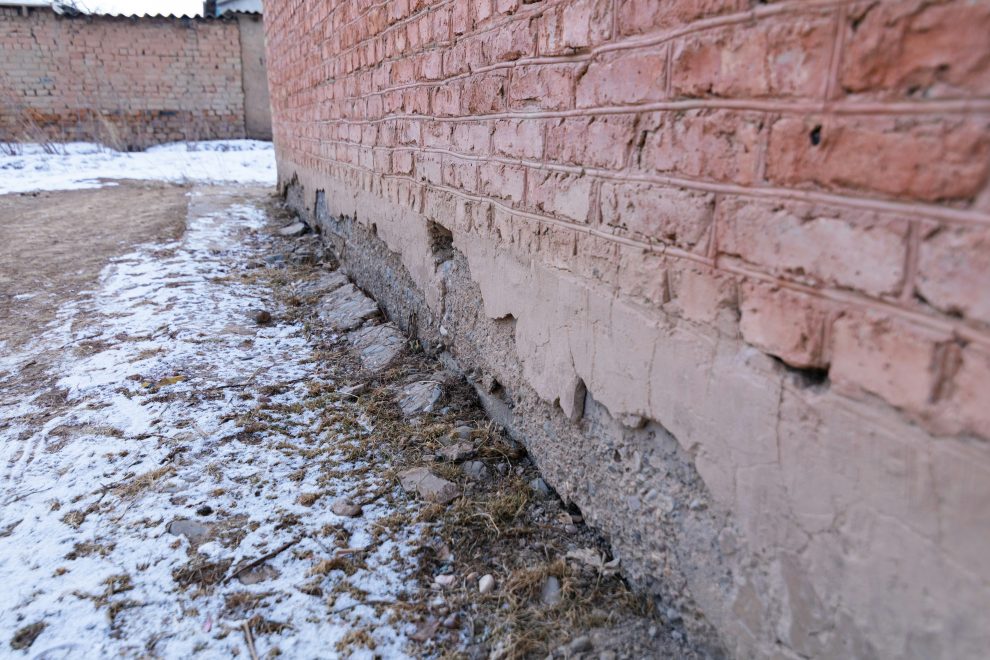
Water damage is one of the top insurance headaches in real estate — and for good reason. It’s a leading cause of claims, often tied to outdated plumbing, poor maintenance or the absence of a solid mitigation plan. While most property insurance policies include water damage coverage, relying on insurance alone is a risky approach.
Frequent claims can lead to higher deductibles, increased premiums or even denial of coverage. Prevention is not just smart — it’s essential.
Why Plumbing Matters
The type and condition of your building’s plumbing system are major factors in your water damage risk. Insurers often consider the age and material of pipes when determining policy terms. Some systems may be uninsurable; others may trigger coverage exclusions or higher rates. Below are common piping systems:
- Galvanized Steel: Outdated and no longer manufactured. If your building still has these, a full replacement is likely needed.
- Copper Pipes: Durable and reliable but can corrode in areas with low pH water. Check the thickness and age to assess risk.
- PEX (Cross-linked Polyethylene): A popular alternative to copper. It’s resistant to low pH but may leak if brass fittings are exposed to high chlorine levels or sunlight.
- Poly-B (Polybutylene): Cost-effective but prone to failure, especially when mixed with other piping types. It often deteriorates from the inside, making damage hard to detect.
- Kitec: This polymer pipe was discontinued in the 2000s due to frequent failures and being subject to lawsuits. Most insurers won’t cover properties with Kitec plumbing.
Conducting a cost-benefit analysis can help you decide whether to repair or fully replace your plumbing. This step is especially important before a policy renewal or a major retrofit.
Five Steps to Prevent Water Damage (and Lower Insurance Costs)
1. Perform a Plumbing Risk Assessment
Identify what type of plumbing is in place and evaluate its condition. Consider a full or partial replacement if your system includes high-risk materials like galvanized steel, Poly-B or Kitec. Replacement may cost more upfront but can prevent repeated claims and maintain your insurability.
2. Create a Water Damage Mitigation Plan
When water damage occurs, fast action minimizes repair costs. Prepare in advance.
- Have a remediation vendor on call who can respond quickly with dehumidifiers, water extractors and drying equipment.
- Develop a continuity plan to keep your building operational during repairs. This is crucial for minimizing revenue loss.
- Add Business Interruption (BI) coverage to your policy. BI helps cover lost rental income or business revenue during restoration. Ensure that your rental values are up to date to avoid underinsurance.
3. Prioritize Preventive Maintenance
Routine plumbing inspections are essential — and help with insurance renewals. A solid maintenance plan should include:
- Identification of all plumbing types and fittings.
- Checks for visible leaks, corrosion and hidden moisture.
- Water pressure calibration.
- Drainage speed tests in sinks and tubs.
- Inspection of water heaters for sediment or rust.
- Sewer backup checks on the building exterior.
Good maintenance can reduce claim frequency, which in turn lowers insurance costs.
4. Consider Equipment Breakdown Insurance
Boilers and mechanical equipment can also cause severe water damage. Boiler and Machinery (BM) or Equipment Breakdown (EB) insurance covers repair costs and lost income from non-functioning systems. This coverage is especially valuable in buildings with heavy mechanical use — including hotels or manufacturing facilities.
5. Weigh the Benefi ts of a Higher Deductible
Taking on a larger deductible may lower your premium. This is a smart move for well-maintained buildings with low claim histories. However, if your property has a pattern of water damage claims, a higher deductible could be more costly in the long run.
Water damage prevention isn’t just about protecting your property—it’s about protecting your insurance coverage, too. Insurers favor properties with strong maintenance programs, up-to-date infrastructure and detailed mitigation plans. As a property manager, know that taking proactive steps today can save you thousands tomorrow and ensure you stay covered when it matters most.
Frank DeLucia
Executive Vice President
Hub International Northeast
frank.delucia@hubinternational.com
(212)338-2395