
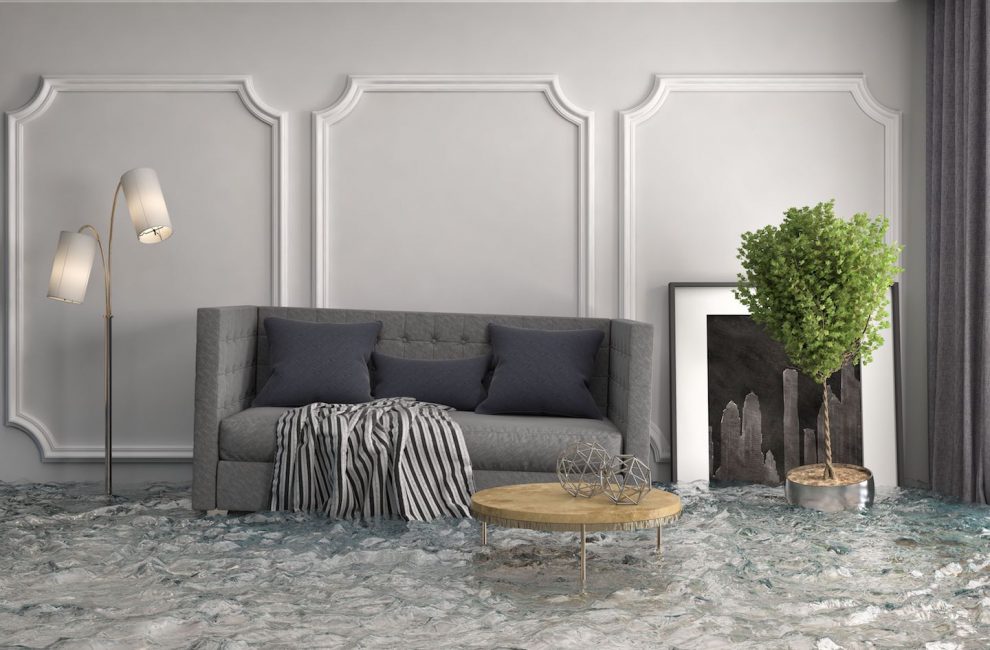
In terms of cost and frequency of claims, water damage is one of the leading causes of property losses in all types of commercial and residential real estate properties. Water damage is one of the top 10 most expensive claims for mid-sized businesses. Costs include physical damage and may also include liability claims, additional living expenses for those affected, business interruption and loss of income while occupied spaces are being repaired.
A well-crafted mitigation plan may help reduce the risk of water damage, as well as limit the severity of damage should an incident occur. Water damage can originate from multiple sources, both external or internal. External water sources include heavy rain/melting snow, runoff water, a high water table, flooding/coastal storm surge, water main breaks and any facility systems, such as HVAC equipment. Internal water exposures include items such as water pipes, drain pipes, sewer systems, appliances and fixtures, such as refrigerators, dishwashers, toilets, water fountains, coffee machines and more.
While the majority of these claims result from accidents within the facilities and mostly are not weather-related, when the temperature drops during the winter months, frozen pipes can quickly result in immediate water damage. Preventing the risk of water damage to buildings starts with a good understanding of the strengths and weaknesses of a facility. Once the potential vulnerabilities are understood, a formal water damage prevention and mitigation program can be developed with your insurance advisor.
A comprehensive water damage prevention and control program should include the following procedures:
Key Personnel Onsite
List the “key real estate personnel” available in the event of an emergency to begin response procedures. They should start damage mitigation procedures and call in the professional restoration/cleanup services.
Management
A member of management should be assigned to oversee the program, support and adopt the procedures. This person will be assigned as “process owner” and should designate and support the key personnel responsible for documentation, distribution and implementation of the plan.
Buildings Covered
All buildings should be listed in the plan and have procedures as needed for that property.
Detection Methods
Identify all possible means of liquid damage detections.
Communication Procedures
Communication procedures should be clearly documented, describing all key real estate personnel’s responsibilities to put emergency procedures in action in a timely fashion.
Identification and Labeling
You should clearly identify and label all shutoff valves for every floor, including suspended ceiling tiles above which valves are located. All of the valves must be exercised periodically. You might consider using a standardized valve identification tag system. You may also wish to take photos of valve and piping layouts.
Critical Equipment
List all critical equipment areas and fill in the loss prevention assessment checklist. Critical areas are any room with equipment or operations sensitive to liquid damage, which may result in total shutdown of operations and subject to extensive losses.
Water damage can present any number of problems for the real estate owner and property manager. In the unfortunate event of a claim, it’s critical to ensure you’re working with the right insurance professional who can advocate on your behalf to help with having it properly handled.
This is just a sampling of what an effective water mitigation plan must entail. By proactively working together with your broker, you can potentially avoid — or, at least, fully prepare your building for — the leading cause of property losses with a customized water damage mitigation program based on your exact needs.
Frank DeLucia
HUB International Northeast
frank.delucia@hubinternational.com
212-338-2395