




In the August 2017 edition of Fashion Mannuscript, I discussed the copyright case decided on March 23, 2017 by the United States Supreme Court in Athletica, LLC v. Varsity Brands, Inc. The Court held that a design on a useful article is eligible under federal copyright laws if it met certain enumerated conditions.
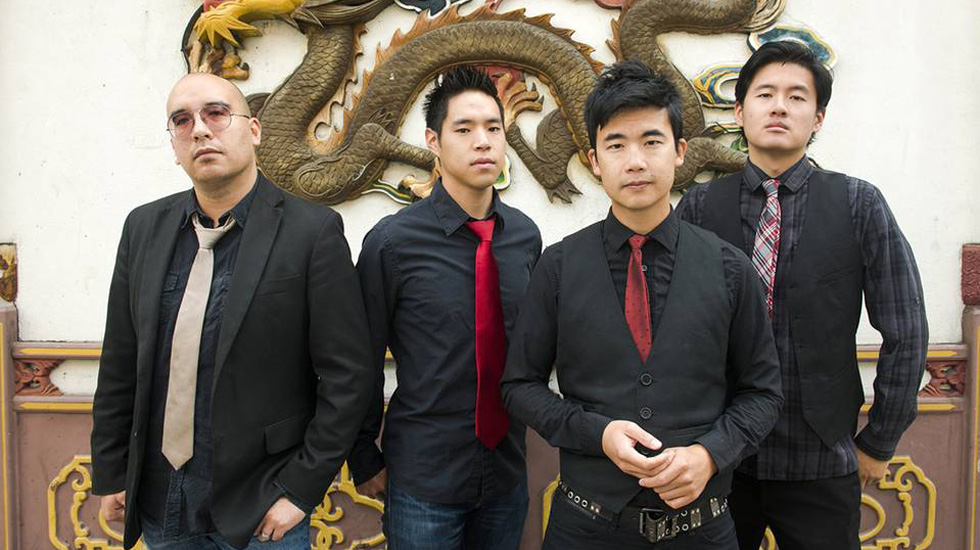
Having observed the Court’s entry into fashion in a copyright dispute, it has now moved into another branch of intellectual property: trademarks. On June 19, 2017 the Court decided the case of Matal, Interim Director, United States Patent and Trademark Office vs. Tam. The case concerned a dance-rock band’s application for federal trademark registration of the band’s name, The Slants. The opinion states that “slants” is a derogatory term for persons of Asian descent, and members of their band are Asian Americans. The band members believed that by taking that slur as the name of their group, they would help “reclaim” the term and drain its degrading force.
The Patent and Trademark Office (PTO) denied the application based on a provision of federal law prohibiting the registration of trademarks that may disparage or bring into contempt or disrepute any persons, living or dead. The Court held that this provision violates the Free Speech Clause of the First Amendment to the Constitution of The United States.
Commentators have indicated that this decision will bear on the current controversy regarding the Washington Redskins football team which has been the recent subject of controversy. One questions what effect, if any, the decision will have on fashion.
Trademarked merchandise is the backbone of the fashion industry. Suppose an enterprising manufacturer of blouses decides to register a name for its new line for Fall 2018. To distinguish the line from the competition she comes up with a name that is recognized as one that the entire nation will recognize as being highly offensive to a segment of the population. For illustration purposes only we will call it Five Xs.
She is convinced that a segment of the population will identify with the name and she will do a phenomenal amount of business because that segment will want to wear the blouses bearing the FiveXs trademark. She then attempts to register the new Trademark Five Xs with the PTO. She leaks the name to the press as being the subject of the registration. The group offended by the name organizes a demonstration against the manufacturer in front of the company’s headquarters, protesting the use of the name as being racist and un-American. The press coverage goes nationwide and The PTO denies the registration. She sues the PTO based on the Slants decision. What result could come from this?
If she wins and the name is registered, one can imagine the protests and boycotts by the offended group. That could give encouragement to those who are not offended to purchase the trademarked product. Not a pleasant outcome.
Free speech has been limited before, which is why one cannot yell “fire” in a crowded theater when there is no fire. Will there be efforts to draft new legislation to modify the law that was enforced by the Slants decision?
However, if she loses and registration is denied, does she have a different argument than that discussed by the Court in the Slants decision? Perhaps proposed legislation should except the “fire in a crowded theater” type of speech as creating greater harm than allowing speech that creates an immediate danger of harm to be allowed. Would that violate the freedom of speech granted by the First Amendment?
Trademark and copyright issues in the fashion industry are ever-present. We discussed copyright infringement matters in the January 2017 issue of Fashion Mannuscript. Trademark infringement litigation continues to be of significance making it essential that trademarks are protected by manufacturers. Registration is one way to provide protection. Diligence is important in pursuing those who attempt to use your trademark by manufacturing products that use similar and deceiving names to compete with your trademarked merchandise. Name recognition is one of the most significant forces in the fashion industry, so the trademark you have should be on the top of the list of your assets to be protected.
Ramifications of the Slants decision are expected to be seen as trademark applicants think of new ways to create a mark that will bring attention to their products. Whether the PTO amends its regulations or the Courts are presented with cases that further deal with this subject remains to be seen. Stay tuned.
Benjamin S. Seigel, Esq.
Greenberg & Bass, LLP
818-382-6200
bseigel@greenbass.com


Add Comment