




Perhaps online music streaming started it all with sites like Spotify, iTunes, Pandora, and Google Play. Yet today this “sharing phenomenon” is no longer a passing fancy, but a solid multi-billion-dollar worldwide business platform. Yes indeed, this growing trend of monetizing unused or under-utilized assets, by allowing others temporary ownership, is now ubiquitous. Examples of this movement are perhaps most evident in the ride-sharing or transportation sector with sites like Zip Car, Uber, and Lyft, but now venerable GM has launched a peer-to-peer car-rental service, aptly named Peer Cars, by using its MAVEN platform. Of course, travel, boarding, and hotel stays have been disrupted by Airbnb and HomeAway, and although reports indicate that bicycle sharing has reached the saturation point in China, this movement is also quite evident in big cities, like here in NYC with Citi Bike stations situated in many midtown spots. Not far behind are the shared offices and workplace settings with WeWork and Servcorp. Indeed, one can rent needed gear like cameras and unusual one-time-use items from the growing entity Snap Goods. Pet enthusiasts can utilize DogVacay, which will pair up your pet with a real and friendly family household while you are away or travelling.
In fact, one can participate in this sharing movement by using sites like Lending Club as either an investor looking to earn an above-average return or as a borrower in need of funds. As I write this article I am confident that our readers can recall scores of entities that I failed to mention, but the truth is that new sites will likely appear before our article even goes to press. That said, and since I am writing for, and you are reading, Fashion Mannuscript, let’s shed some spotlights primarily on the “business of fashion” and the on the impact and pros and cons of this sharing economy on our beloved fashion industry.
Fashion Sharing
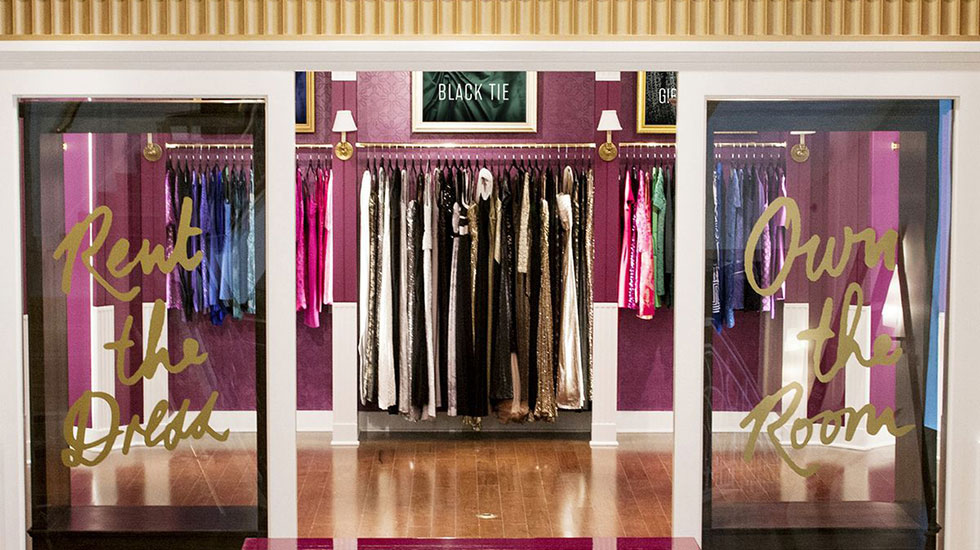
So, to tart our investigation, let’s first shed some light on a few of the larger fashion-oriented sites. Perhaps at the top of the list is the fast-growing firm RentTheRunway, which is getting lots of press as of late. This firm, which also has a few stores, rents clothing from a very wide array of top-tier designer brands and boasts having one of the fastest turnaround times. In addition, its infrastructure capabilities include one of the largest dry-cleaning plants in the business, promising a flaw-free rental or buying experience.
Next is the interesting site Gwynnie Bee which rents clothing with the option to buy, but with the body positivity theme in mind. It purposely focuses on the “right sized” woman, with website size offerings extending from 0 to 32 in many of its styles.
Stitch Fix is a slight twist or hybrid type of sharing site. It is a multidimensional online store featuring garments for women, men, and kids, whereby after extensive consultation on taste levels and affordability, five pieces of clothing will be selected for you by an in-house stylist and mailed to your home on a predetermined schedule. You can buy what you like or return what you do not.
The Le Tote rental site includes not only classic styling but also maternity clothing, which seems to make sense for an expectant mother to rent and not to buy.
For those tying the knot, one can choose Borrowing Magnolia, which not only promises a wide selection of affordable styles and sizes, but touts that you will have “an experience of your lifetime too.” Let’s not forget the bridesmaids. When invited, they can often shell out hundreds if not thousands of dollars assisting a life-long friend. There are sites like Union Station that not only promises to keep you “style-right, but also on budget.” Ironically, the groom and best man, often have wedding-rental tasks simplified and can easily rent their tuxedo from a vast array of reliable stores and sites such as the ubiquitous chain of Men’s Wearhouse, stores who boast the largest selection of tuxedos found anywhere.
Conclusions
So what can we make of this new shopping or renting paradigm? Well, for one, if you are not too interested in the long-term care of your clothing and other consumables, renting clearly seems more logical than buying. For this reason, this new “subscription economy” seems best because users can effortlessly extract the services that reside behind the products that they use daily. Furthermore, when companies work harder at offering us the best services possible, there is more discovery on the consumer’s side, and it keeps suppliers on their toes to continue to innovate and streamline their offerings. Accordingly, an economic truism is that services bring sustainable growth and financial stability to all parties involved. To sum up, firms that have direct relationships to their customers tend to avoid peak and valley cycles, and of course a happy and loyal subscriber base is the ultimate economic moat.
Patrick Tormey
Fashion & Marketing Professor
Various NYC Colleges
MyColleProfessor@gmail.com


Add Comment