




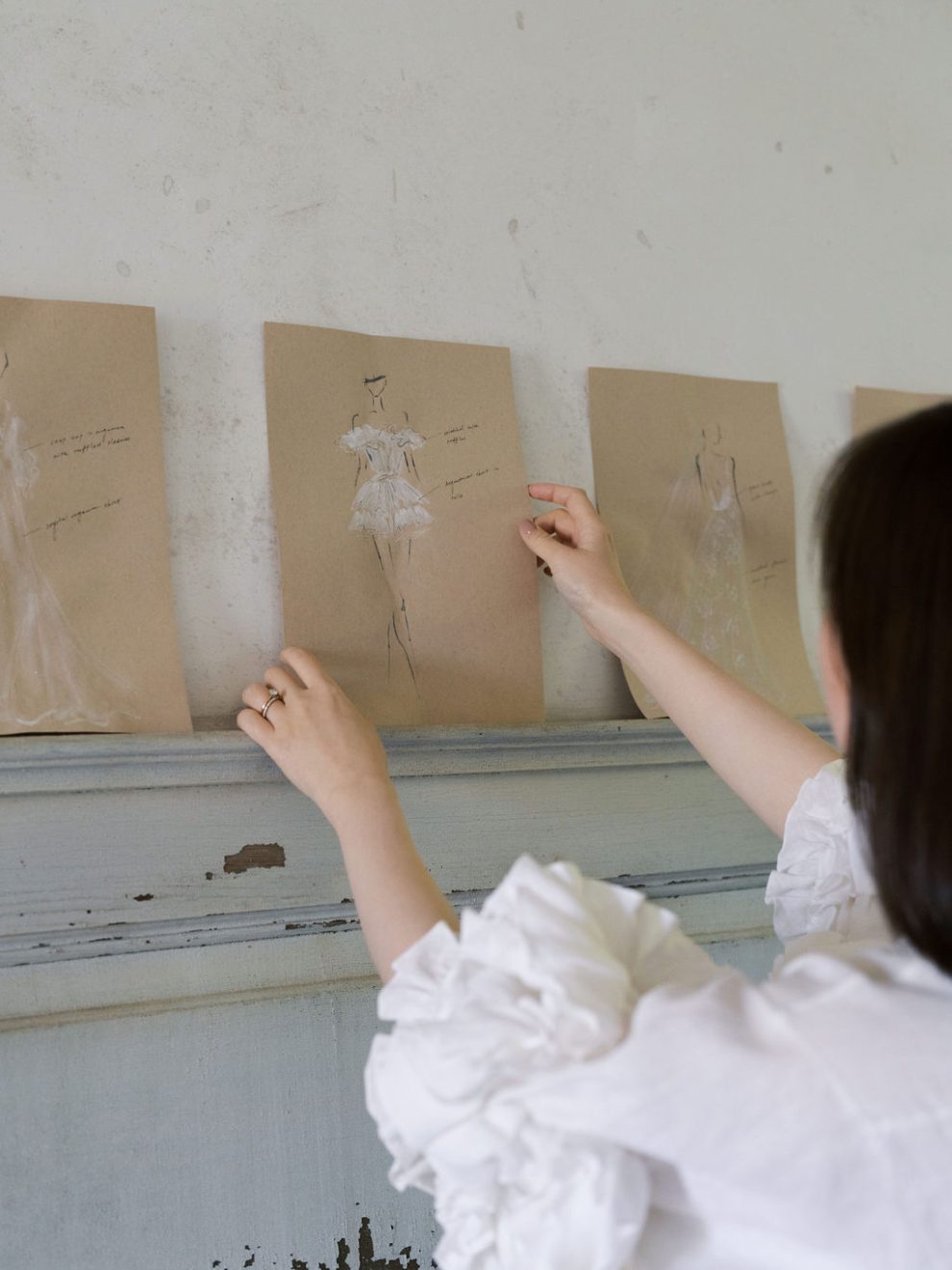
In an industry traditionally defined by excess fabric, elaborate production and garments worn only once, Ouma Atelier offers a compelling alternative. Founded by designer Ou Ma, the Vancouver-based bridal and eveningwear label has built its identity around a powerful idea: that luxury and sustainability can coexist. Through its zero-waste philosophy, Ouma is redefining how wedding gowns are designed, produced and experienced long after the wedding day itself.
At the heart of the brand’s ethos is a commitment to minimizing environmental impact while maintaining the artistry expected of couture bridal wear. Ouma believes that “true beauty lies not only in the elegance of a wedding dress but also in the journey of how it’s made.” This philosophy guides the atelier’s production process, where fabric remnants are treated not as waste but as creative opportunities. Leftover textiles from each collection are carefully repurposed into accessories and embellishments, ensuring that nearly every material has a second life. Scrunchies, keepsake bags and delicate three-dimensional floral details are all crafted from these remnants, transforming excess material into meaningful design elements rather than discarded waste.
The zero-waste mindset is embedded directly into Ouma’s aesthetic language. Many of the brand’s gowns feature intricate fabric flowers or sculptural accents made from reclaimed materials, blending sustainability with visual richness. Even accessories such as short veils are created through upcycling techniques that give leftover fabrics a new purpose while maintaining the ethereal beauty expected of bridal attire. Through these details, Ouma demonstrates that environmental responsibility can enhance design rather than limit it.
Beyond its collections, the brand actively cultivates a community around sustainable creativity. The Vancouver atelier regularly hosts zero-waste workshops that invite participants to engage directly with the design process and learn how fashion waste can be transformed into new objects. Events like the brand’s recent Galentine’s-themed workshop encourage attendees to explore hands-on techniques for repurposing textiles while fostering awareness about the environmental footprint of fashion. By opening its studio to the public, Ouma transforms sustainability from a private practice into a shared cultural experience.
Another cornerstone of the brand’s mission is longevity. Recognizing that wedding gowns often hold deep sentimental value yet rarely get worn again, Ouma offers repurposing services that allow brides to transform their dresses into new garments after the wedding. A gown might evolve into a cocktail dress, anniversary outfit or keepsake piece, extending the life of the garment and preserving its emotional significance. This approach challenges the traditional notion of the wedding dress as a one-day garment and instead frames it as a lasting part of a woman’s wardrobe and story.
For Ma, the brand’s sustainability ethos is inseparable from its artistic vision. After training in New York and working for major fashion houses, Ma sought to create a label that combined couture craftsmanship with a deeper purpose. Drawing inspiration from Chinese ink painting and poetic symbolism, her designs merge modern silhouettes with subtle cultural references while maintaining a mindful production process.
Ultimately, Ouma’s zero-waste mission reflects a broader shift in the bridal industry toward conscious luxury. By designing with intention, repurposing materials and encouraging garments to evolve over time, the brand invites brides to celebrate not only their love story but also their values. In doing so, Ouma proves that sustainability can be woven seamlessly into the romance and artistry of bridal fashion.


