




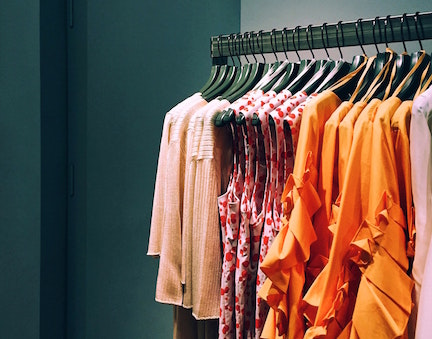
One of the most amazing things about the fashion industry is its ability to shift gears so quickly. Its nimbleness in adjusting to seasons and trends has been one of the reasons that many brands have been able to make the shift to manufacturing personal protective equipment (PPE) with the onset of the novel coronavirus pandemic.
We still don’t know how long stay-at-home orders will be in place, and even when they are lifted, there’s always the chance that they will have to be reinstated. No one knows what the world will look like when shoppers are allowed to return to stores and non-essential workers to offices. But the fashion industry as a whole, despite its recent hardships, is resilient and quick to adjust. Here are some predictions about what we might see when people start thinking about buying clothes again.
Reduced Wardrobes
Consumers have been hearing for years that they have too many clothes, but perhaps it will take weeks of staying at home for most people to realize it. With nowhere to go and no one to see, very few people have been drawing from the full spectrum of their closets. The Boston Consulting Group estimated that 2020 fashion sales could come up $600 billion short of 2019 sales — meaning that people are saving their money for things besides another shirt.
Hesitation to Rent
While there isn’t evidence to suggest that COVID-19 is being transmitted via rented clothes, many of which are cleaned by the rental services, consumers are likely to be extremely cautious about handling goods that they know others have touched — or worn. Buyers who disinfect their grocery packaging may not be so interested in putting on shared apparel.
Digital Purchasing
Staying at home pushed many consumers to find online solutions, and whichever solutions worked are likely to stick. In the hiatus of shopping from brick-and-mortar stores, customers itching for new styles may have tried virtual try-on technology or scrolled through hundreds of product photos. Statista estimated that online sales were on their way to $4.8 trillion by 2021, and if Amazon’s 20% increase in sales during March and April (reported by Bloomberg) is any indication, the coronavirus may push those numbers even higher.
A Return to Returns
If more people buy online, there are certain to be more returns. In 2019, the return rate for e-commerce was close to 20% — twice as high as the brick-and-mortar return rate (according to eMarketer). Statista guessed that returns would cost companies $550 billion in the U.S. in 2020, and that report came far before the pandemic (and that’s not including restocking expenses). For most consumers, though — 96%, according to Narvar in 2018 — shopping with a retailer with an “easy” or “very easy” return process is crucial.
Masks on the Market
Even after we’re given the all-clear to return to public life, people may not be so quick to put away non-medical facial protection — especially if stores open more quickly than customers are comfortable with. Many brands have pivoted to making (or carrying) face masks with patterns or details to make them more fashionable, so it’s possible that they will stick around on the most careful faces for a while.
Demise of the Department Store
The pandemic hastened the declines of several major retailers, including JCPenney and Neiman Marcus. Nordstrom permanently closed a number of stores. While not all of the retailers with major financial problems heightened by the coronavirus were department stores, these apparel giants may be reaching the end of their days. Many of the retailers facing problems are those anchored by brick-and-mortar locations that may have been less equipped to conduct business in a market shifted entirely online.
The Reign of Comfort
Of the few items of clothing that people are wearing in their homes, athleisure has maintained its appeal. According to data from Edited cited in the Wall Street Journal, sold-out sweatpants are up 39%, and sold out bathrobes went up 29%. Athleta, owned by Gap Inc, also reported an uptick in “work from home” loungewear styles. It’s hard to believe that anyone is missing uncomfortable work clothes.
Beauty Store Blues
As popular as makeup stores like Sephora have been in days past, cautious consumers may be put off by samples available for anyone to use. Fewer makeup mavens are likely to be eager to put on a communal lipgloss or foundation when we’ve all been practicing keeping our hands away from our faces for months.


