




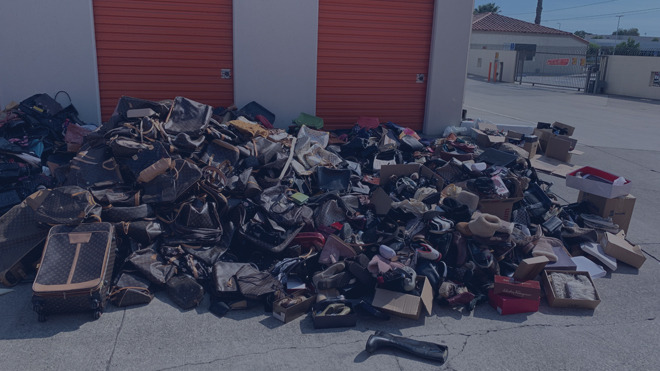
Entrupy has released its second “State of the Fake Report,” which analyzed data from luxury global merchandise between 2018 and 2019 to identify trends in the counterfeit luxury goods market.
“The growth of global commerce is a wonderful thing, but it’s not without side effects,” said Vidyuth Srinivasan, CEO of Entrupy, Inc. “Over time, we have seen the rise of opaque supply chains, and when combined with the less personal nature of online transactions, it is an environment that has benefited counterfeiters while eroding consumer trust. Counterfeiting continues to pervade across the world at a much faster pace and detrimentally impact society in myriad ways.”
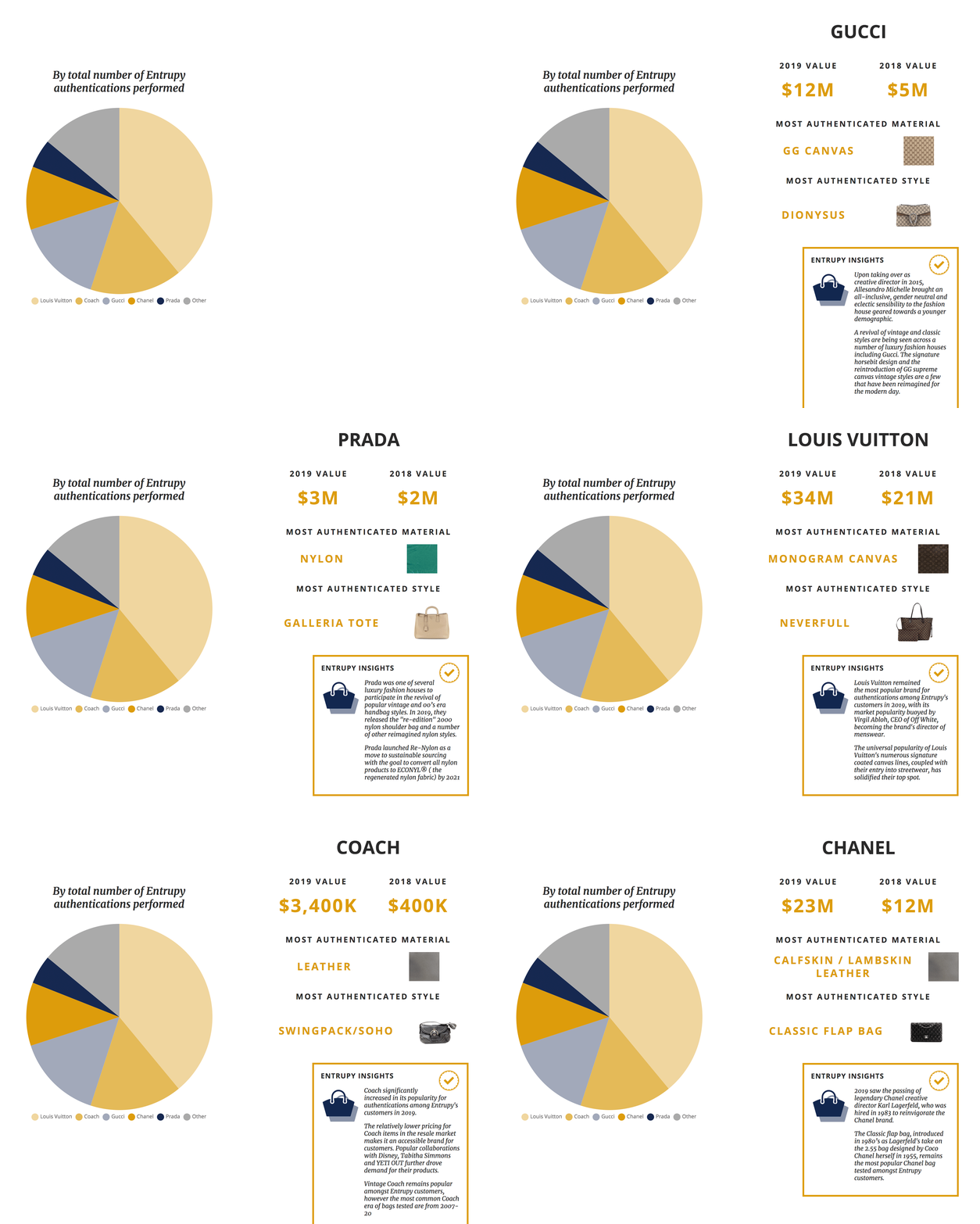
Almost 40% of the authentications performed globally in 2019 were on Louis Vuitton items. The most popular (by number of authentications) material is the monogram canvas and the most popular style is the Neverful.
“In this 2020 edition of the Entrupy State Of The Fake report, we share new insights about the types of counterfeits found in the luxury resale market, and take a deeper look at how counterfeiters operate behind the scenes,” Srinivasan said. “We delve into counterfeiting supply chains and distribution methods, and examine their societal impact. We also review current industry solutions and provide our recommendations to improve the way that industry fights the global counterfeiting problem.
Here’s the facts and figures from the report, which you can also view here.
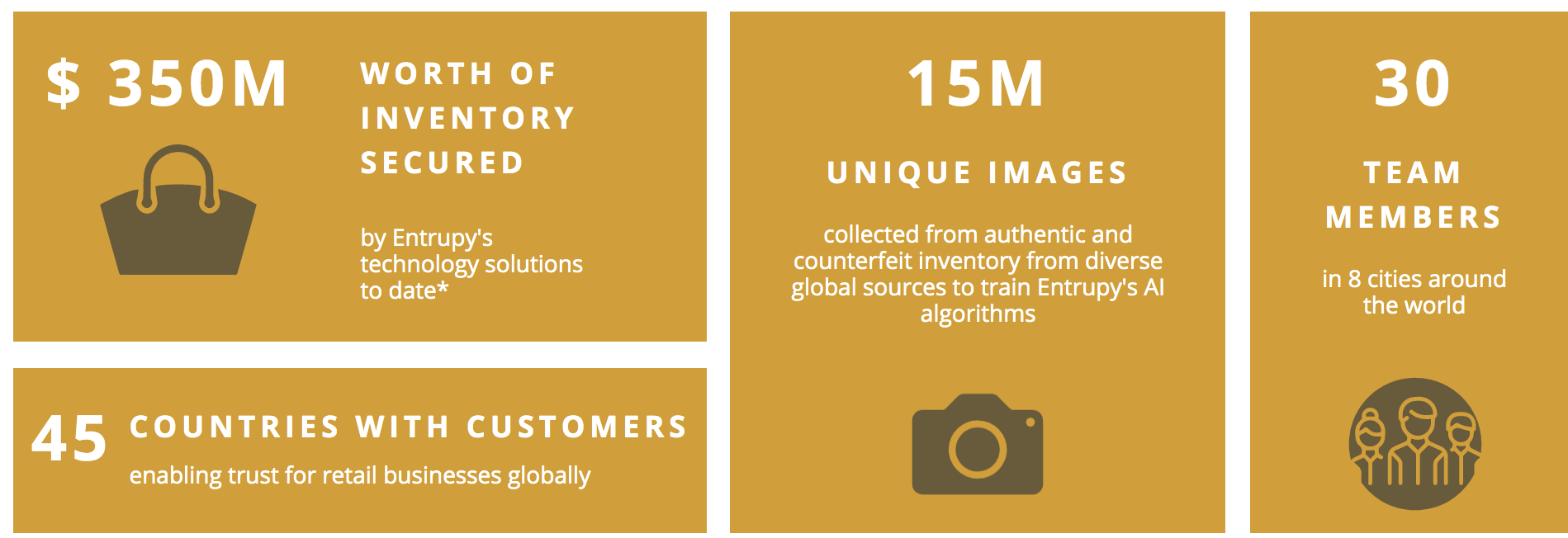
Entrupy by the Numbers
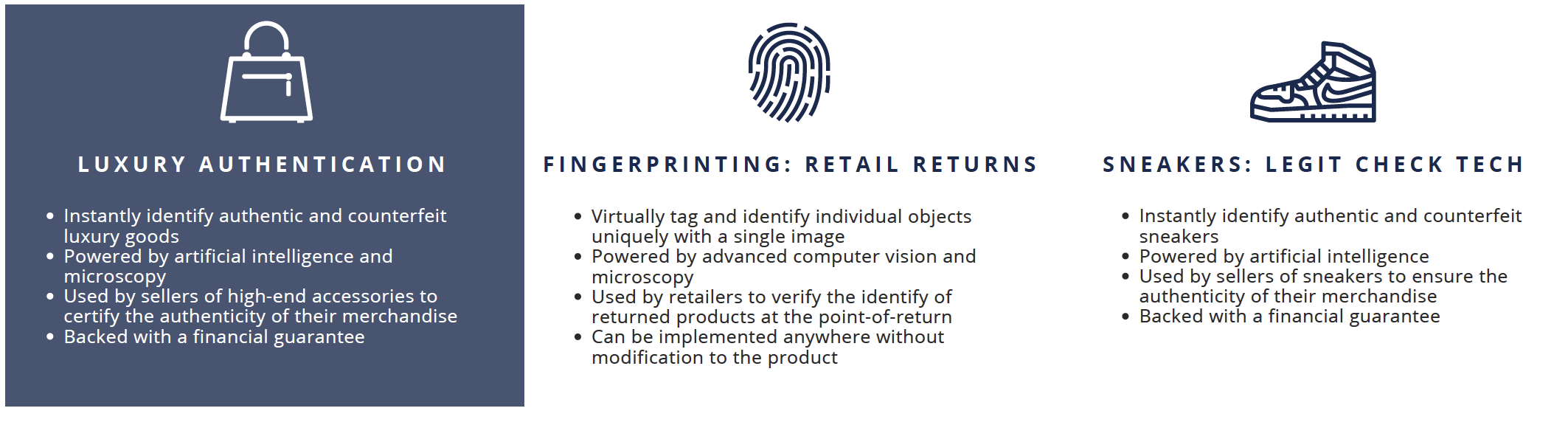
Entrupy Authentication Solutions
Trusted and Recognized by The World’s Top Organizations
Select Customers:
Industry Awards:
- Retail Insider’s 2019 Winner, Innovation of the Year
- Awards.AI’s 2018 Winner, AI Product of the Year
- The International Business Awards’ 2018 Silver Stevie Winner: Tech Startup of the Year, Software
- The International Business Awards’ 2018 Bronze Stevie Winner, Best New Product or Service: Software – AI / Machine Learning Solution
- Ai Breakthrough Awards’ 2018 Winner, Best Use of AI for Authentication
- Edison Awards’ 2018 Silver Medal, Business and Consumer Protection
Industry Initiatives:
- LA MAISON / LVMH, LVMH La Maison des Startups Program, Season 3 (2019/20)
- unifab, Unifab Lab, Program (2020)
- Retail Industry Leaders Association, RILA RTech Startup, Network (2020)
What they say about Entrupy:
- Dubai Department of Economic Development: Partnering with Entrupy gives the Dubai DED a powerful, reliable and scalable method of protecting our economy from the scourge of counterfeit products. With Entrupy’s authentication technology, our inspectors now have the ability to instantly detect fraudulent products and ensure they never reach local markets or the general public. This will help us to continue reinforcing trust in our economy. – Mohammad Ali Lootah, CEO Commercial Compliance and Consumer Protection Sector
- ShopGoodwill.com (Goodwill e-commerce platform): Over the years, shopgoodwill.com has benefited from our local community’s generous donations of high-end items. At the same time, we’ve witnessed ‘Caveat Emptor’ first hand, and that skepticism keeps us from maximizing the full value of that generosity. With the Entrupy Certificate of Authenticity, shoppers can feel confident about their transaction and great about themselves, because their purchase benefits the Goodwill mission to change lives through the power of work. – Ryan Smith, Senior Director of Online Operations
- Style Theory (Singapore-based fashion rental business): “Authentication is a service we take pride in, especially when dealing with multiple sources of assets and in a rental business where there are many change of hands and transfers. We invest in developing multiple layers of security to reduce identity fraud (dubious sources) and stand by our policy of no counterfeits.” – Brenda Ling, Senior Buyer
- Nordstrom: “Nordstrom has partnered with Yerdle, a technology and logistics startup company, to power the backend operations of the resale platform including cleaning and repairing of product, inventory processing and fulfillment, pricing and authentication of certain luxury designer items in partnership with Entrupy.” – Nordstrom See You Tomorrow re-commerce program press release
- RetailInsider.com Transforming Retail Awards 2019: “The final award of the evening – the Overall Technology Innovation of the Year (sponsored by Webloyalty) – went to the fingerprinting certification technology from Entrupy which allows retailers to authenticate luxury goods. As resale markets grow and counterfeiting becomes an ever bigger problem the judges felt Entrupy’s solution was truly game-changing for both retailers and consumers.” – Glynn Davis, Editor
- Chic Consignment (Massachusetts-based luxury consignment business): “Before Entrupy, we were relying primarily on experienced staff who were trained to identify the hallmarks of a brand. We would also take the integrity of the consignor into consideration as many of our top consignors consistently bring us high end things, many of which have brand authentication cards, receipts, etc. However, in the age of superfakes, that is no longer enough.” – May Doherty, Owner
The Global Counterfeiting Problem Continues to Grow

With Far Reaching Consequences to Global Socio-Economic Issues…
Risks to Health & Safety
Counterfeit products are a risk to the health and safety of consumers, often containing harmful or even deadly ingredients. Dangerous compositions of everyday products; makeup has been found to contain carcinogens, bacteria, and arsenic. Industrial methanol (used as a chemical solvent) has been found in everything from baby formula to hand sanitizer. Counterfeiters respond quickly to consumer demand. In June 2020, just three months after COVID-19 became widespread in the United States, CBP seized 750,000 counterfeit masks. That’s like everyone in Austin, Texas wearing a counterfeit mask.
Labor Exploitation
Labor trafficking, child labor, and underpaid workers are all present in the counterfeiting industry and enable counterfeiters to reap huge profits in developing countries. Products most likely to exploit labor include apparel, shoes and phones. Workers are often trapped in indentured servitude. If they are paid at all, they often earn less than $1 per day while clocking in 100 hours or seven days per week.
Links to Organized Crime
Counterfeit production is linked to and helps to fuel organized crime, including human trafficking, drug trafficking, money laundering, and other corrupt activities. Notorious gangs known to be funded by counterfeiting include Italy’s Camorra, the largest organized crime group in Italy, earns 10% + of its $25 billion annual profit through the sale of counterfeit goods in North America and Europe. In Mexico, organized crime group Los Zetas is heavily involved in intellectual property theft in the United States, while another group known for its brutality, La Familia Morelia Michochana, earns up to $2.4 million a day from the sale of counterfeit goods.
Environmental Impacts
Because counterfeit goods are often created using dangerous machinery and toxic materials, destroying them can be extremely detrimental to the environment. Methods for disposing of seized counterfeit goods include burning, donating, and landfills. Almost always – no matter how high quality, utilitarian, or otherwise attractive they may be – counterfeits are destroyed, either by incineration, shredding, or discarded into landfills. Some brands, like Tommy Hilfiger, partner with charities to donate the counterfeit goods — particularly apparel. They “debrand and rebrand” the products to recirculate them without diluting their brand whilst helping those in need. Entrupy has donated counterfeit handbags in bulk to students at FIT for students to repurpose into other garments or accessories and even for use in large-scale showcases.
The Most Counterfeited Items – from Highly – Coveted Designer Wares to Everyday Products
Entrupy has developed solutions capable of recognizing counterfeits in all of the following categories.
Popular brands like Nike and Adidas are prime for counterfeiting due to scarcity, high prices, and the ability of counterfeiters to procure commonly available materials. People that love a particular style are often forced to look beyond official purchase channels, since the dominance of bots and big players makes the chance of snagging a new release about 5%, according to some users of the Nike SNKRS app. The Jordan 1 Off White Chicago shoe designed by Virgil Abloh in collaboration with Nike and is heavily counterfeited. Supreme box logo hoodies are one of the most heavily counterfeited luxury streetwear items. The scarcity, high retail price, and simple to replicate design make it a prime product for counterfeiters to exploit for profit. Fake sunscreen can just be a lotionlike mixture of unknown chemicals that has no sun blocking effect at all, resulting in rashes and burns. Unlike other products like sneakers and streetwear where consumers may know or suspect they are purchasing a counterfeit at a lower price, a consumer shopping for sunscreen might not find the price to be a red flag. Counterfeit toys not only pose a toxicity risk to children, they also present a range of other grave safety risks like choking or strangulation hazards, or risks to hearing. In 2019, the UK seized 54,000 teddy bears set to be distributed to arcades and fairs. Upon inspection and testing, it was found that the bears indeed presented a choking hazard due to the eyes falling out.
Counterfeiters Are Enabled by Shifts in Culture, Modern Technologies, and Supply Chains that Are Prone to Exploitation
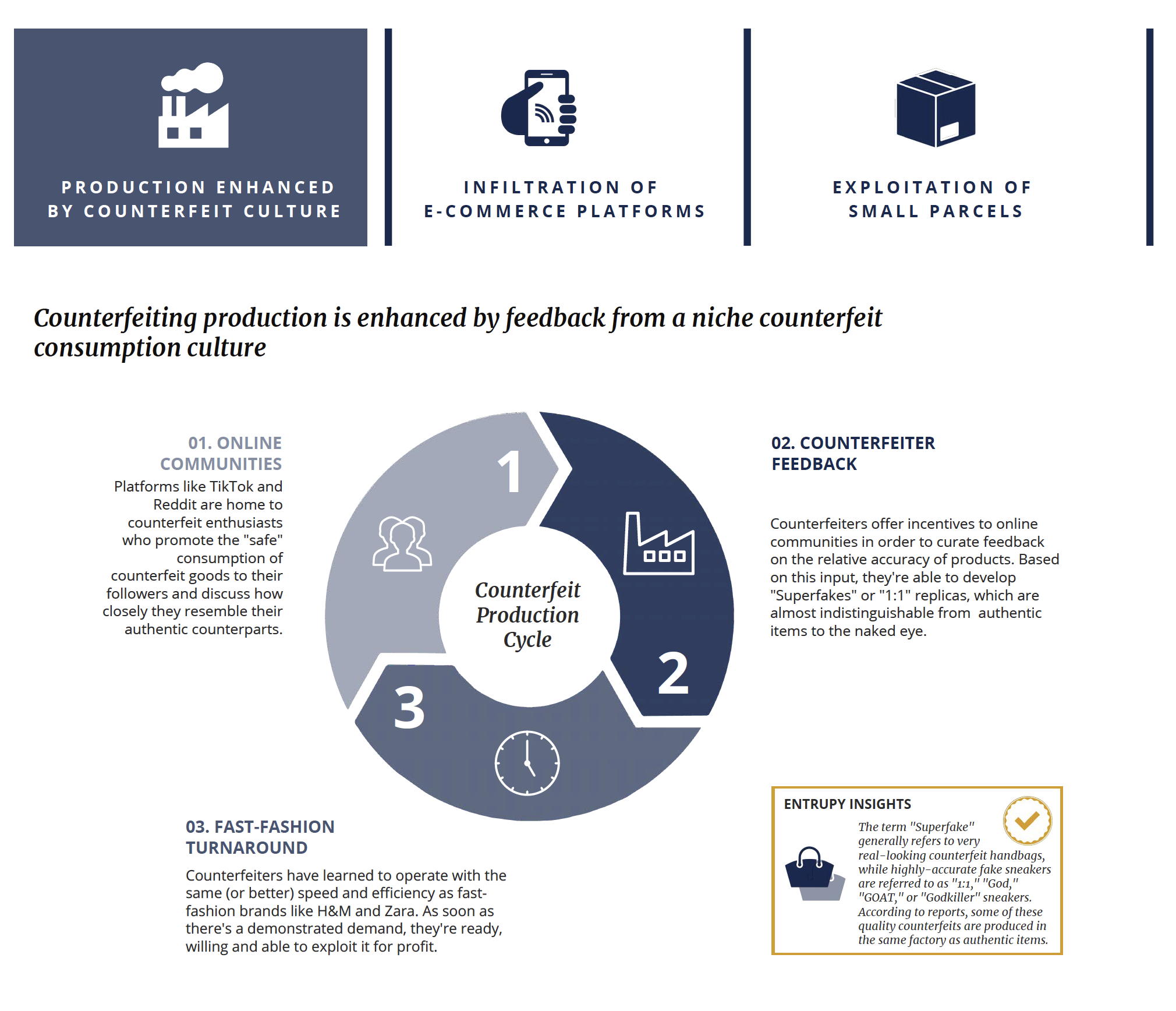
Counterfeiters have infiltrated everyday e-commerce platforms to directly reach consumers
Most counterfeit transactions now look like everyday online shopping experiences. The days of having to visit in-person counterfeit markets like the infamous Canal Street in NYC are gone. Counterfeiters can easily reach their audience on various platforms that support e-commerce or an e-commerce-like experience. Websites: Counterfeiters can reach consumers directly, often operating several mirrored sites at a time because they often get shut down. Social media: As many as 20% of Instagram purchases were counterfeit, with most listings occurring on Instagram Stories. Marketplaces: Consumers are often incentivized to transact via third-party platforms like Taobao through price reductions — adding opacity to the transaction.
Counterfeiters exploit customs and border patrol with small parcels
An increase in small, international shipments to consumers is a boon to counterfeiters privy to the workings of customs and border patrol operations.
As more consumers place small orders from international shippers, the sheer volume makes customs enforcement more difficult and expensive. Because the risk of detection is lower, counterfeiters face less risk of losses from having their shipments seized. USPS international small parcel business increased 232% from 2013 to 2017, when it received nearly half a billion packages. USPS only had critical safety information on 36% of those packages, meaning hundreds of millions of packages reached consumers with little or no security screening. Customs agencies are incentivized to inspect large shipments, which have associated customs documentation and typically have much higher seizure volumes.
Many platforms selling counterfeits directly to consumers limit the size of the order (by number of items or amount of money) to keep packages small and chances of clearing customs high.
Entrupy Insights:
Counterfeiting in the Luxury Resale Market
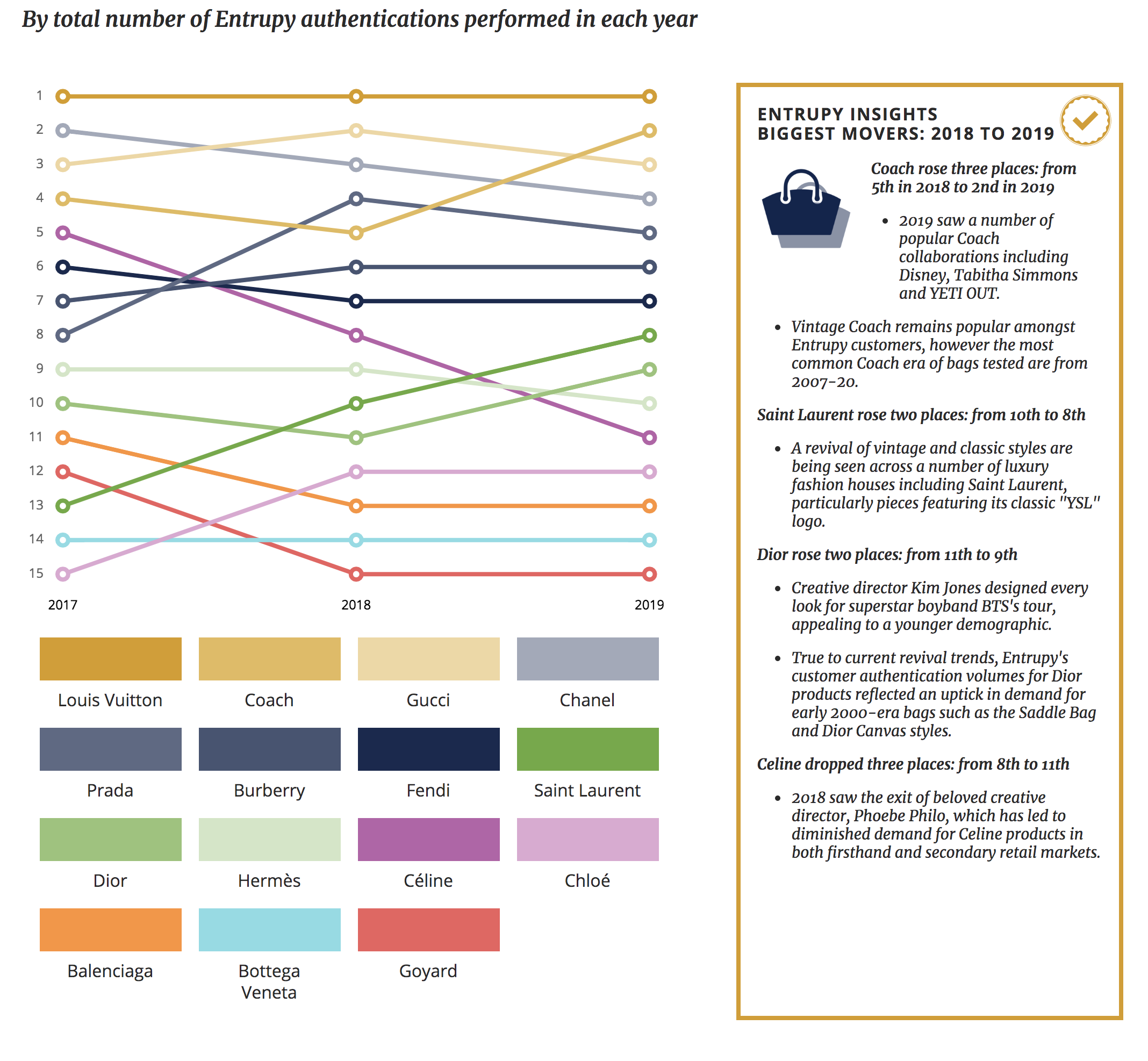
Brand Rankings: Most Authentications from 2017-2019
Brands with Highest Unidentified Rates in 2019

Explore Authenticity Rates Around the Globe

Explore Authenticity Rates by Country
In the United States, the proportion of Unidentified results for authentications of Goyard products increased from 20% in 2018 to 37% in 2019. In Canada, Bottega Veneta was the fastest growing brand for authentications by Entrupy customers, increasing its volumes by 300% from 2018 to 2019. In Mexico, Prada was the fastest growing brand for authentications by Entrupy customers, increasing its volumes by over 600% from 2018 to 2019. Entrupy commenced working with businesses in Panama during 2019, with Louis Vuitton being the most popular brand for authentications. In Brazil, the proportion of Unidentified results for authentications of Louis Vuitton products decreased from 21% in 2018 to 9% in 2019.
In the United Kingdom, Fendi was the fastest growing brand for authentications by Entrupy customers, increasing its volumes by 300% from 2018 to 2019. In Italy, Gucci was the fastest growing brand for authentications by Entrupy customers, increasing its volumes by over 800% from 2018 to 2019. In Russia, the proportion of Unidentified results for authentications of Céline products increased from 13% in 2018 to 38% in 2019. In the Czech Republic, the proportion of Unidentified results for authentications of Chanel products decreased from 38% in 2018 to 33% in 2019. In the United Arab Emirates, the proportion of Unidentified results for authentications of Louis Vuitton products decreased from 17% in 2018 to 7% in 2019.
In Japan, the proportion of Unidentified results for authentications of Balenciaga products increased from 20% in 2018 to 25% in 2019. In Singapore, Burberry was the fastest growing brand for authentications by Entrupy customers, increasing its volumes by almost 300% from 2018 to 2019. In the Philippines, Dior was the fastest growing brand for authentications by Entrupy customers, increasing its volumes by 600% from 2018 to 2019. In Thailand, the proportion of Unidentified results for authentications of Prada products increased from 11% in 2018 to 30% in 2019. In Australia, the proportion of Unidentified results for authentications of Dior products increased from 11% in 2018 to 29% in 2019.
Explore Authenticity Rates by State
In California, the proportion of Unidentified results for authentications of Prada products increased from 9% in 2018 to 13% in 2019. In Florida, Dior was among the fastest growing brands for authentications by Entrupy customers, increasing its volumes by over 400% from 2018 to 2019. In Georgia, the proportion of Unidentified results for authentications of Balenciaga products increased from 25% in 2018 to 40% in 2019. In Illinois, Saint Laurent was among the fastest growing brands for authentications by Entrupy customers, increasing its volumes by over 130% from 2018 to 2019. In Indiana, the proportion of Unidentified results for authentications of Prada products increased from 8% in 2018 to 25% in 2019. In Michigan, Saint Laurent was among the fastest growing brands for authentications by Entrupy customers, increasing its volumes by over 800% from 2018 to 2019. In New Jersey, the proportion of Unidentified results for authentications of Goyard products increased from 33% in 2018 to 40% in 2019. In New York, the proportion of Unidentified results for authentications of Chanel products increased from 17% in 2018 to 20% in 2019. In Pennsylvania, the proportion of Unidentified results for authentications of Louis Vuitton products increased from 17% in 2018 to 24% in 2019. In Texas, Dior was among the fastest growing brands for authentications by Entrupy customers, increasing its volumes by over 400% from 2018 to 2019.
Business Types with Highest Unidentified Rates in 2019
| Business Type | 2019 Unidentified % | Inventory Source | Relative Risk |
|---|---|---|---|
| C2C Marketplace | 10.8% | Items often come from an individual’s personal collection, which may have been purchased from other resellers and/or thrift stores to be “flipped” for profit. | Highest: Hotbeds for counterfeiters to sell fake items due to lack of authentication programs but decreasing as marketplaces add authentication services. |
| Pawn | 10.2% | Items are purchased from individuals at the point of sale. | High: Merchandise coming from individual consumers and being taken in by untrained salespeople significantly increases the risk of counterfeits. |
| Offline Reseller | 8.2% | Items are often purchased outright from individual consumers who may or may not have an established reputation. | Medium: Merchandise coming directly from consumers and nonexpert sales people increase the risk of counterfeits entering the supply chain. |
| Online Reseller | 7.0% | Items often come from a stable of reliable sources such as consignors and other resale companies, with whom the reseller has a history of transacting. | Low: Unreliable sources are generally eliminated from the supply chain before they can exert negative impact. |
| Wholesaler | 1.0% | Because these specialized players have strict rules for intake and sourcing, items usually come from reputable sources that may include other businesses, auctions and marketplaces. | Very Low: High levels of expertise & experience keep “bad actors” from penetrating the supply chain. |
Combating the Counterfeiting Problem: Collaborative Approaches Across Industry Are Required to Combat the Counterfeiting Problem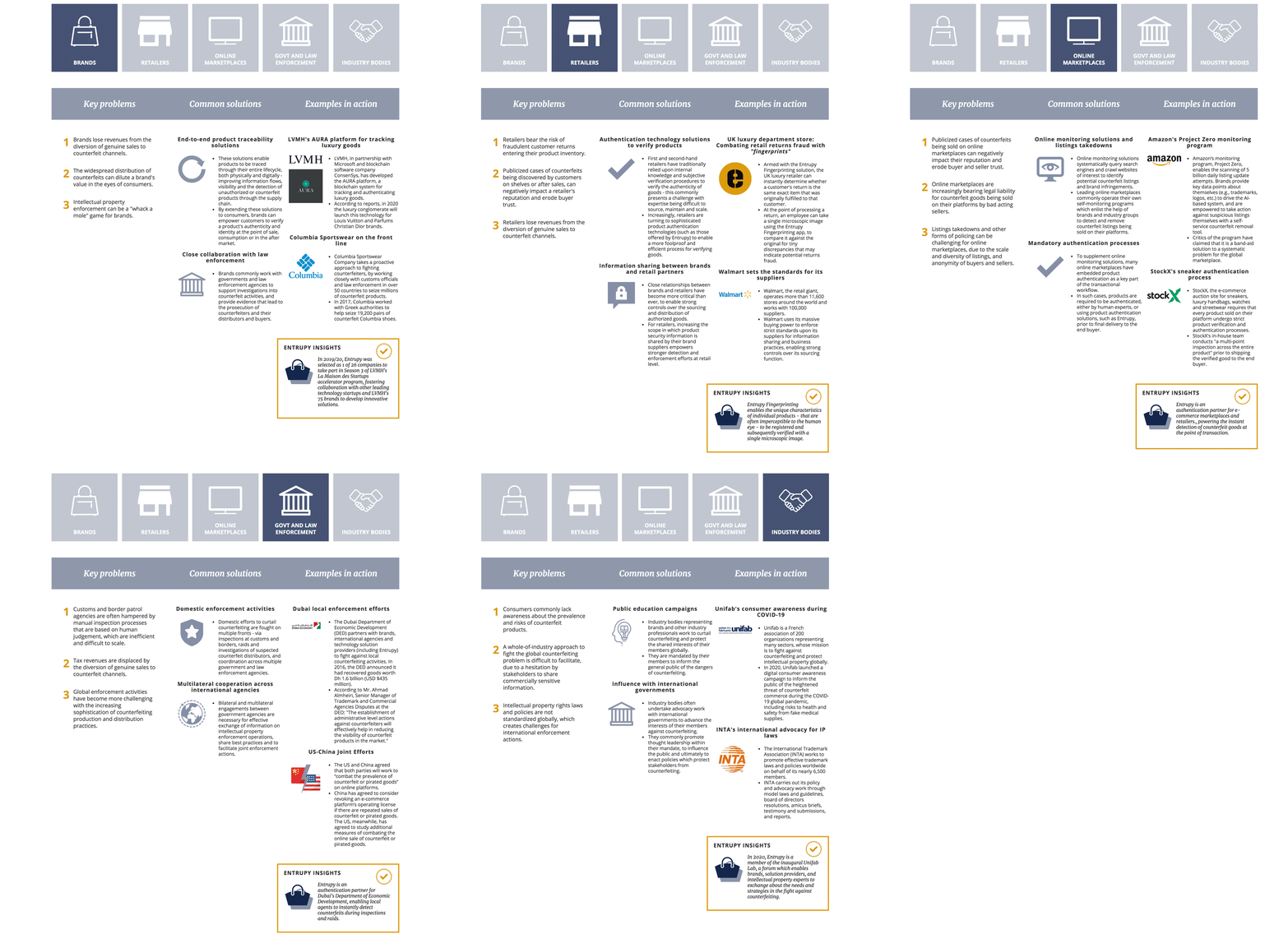
Our Recommendations to Fight the Global Counterfeiting Problem
- Brands must build even closer bonds with their supply chain partners
- Currently the extent of information sharing by brands across their supply chains is highly variable. Retailers and distributors often bear the risks of counterfeits infiltrating their inventory, but have limited access to product security knowledge and/or mechanisms that are controlled by brands, to effectively monitor, investigate or enforce against incidents which can corrupt their supply.
- Forging closer, multi-lateral relationships across the supply chain, with an emphasis on bilateral information sharing, will benefit brands and their partners.
- Brands must strengthen their engagement with consumers
- Continual consumer engagement by brands and industry bodies about the dangers of counterfeiting to educate shoppers about the personal risks and societal costs of counterfeiting.
- Brands can further reduce the demand for counterfeit “substitutes” by building stronger relationships with their customers. For luxury brands, the traditional emphasis has been on marketing the qualities of their products and longstanding brand heritage. More recently, these brands have developed campaigns that highlight product sustainability, experience and exclusivity.
- Counterfeit sales have exploded online, particularly in the less regulated resale channels. Some brands may benefit from starting their own resale platforms (certified pre-owned), to discourage consumers from buying from “less reputable” sellers on any platform.
- Industry stakeholders must jointly co-opt new anti-counterfeiting technology standards
- Despite the popularity of advanced anti-counterfeiting technologies – such as IoT-powered product security solutions and digital traceability platforms that leverage blockchain – being implemented at brand-level, other parties in the supply chain are unable to derive benefits, either (a) due to a lack of multi-lateral information sharing (as mentioned above), or (b) due to a lack of industry-level technology standards which makes deployment difficult or unscalable.
- To maximize the benefits of technology on all fronts, it would be of interest for all industry stakeholders to jointly co-opt industry -based technology standards – where access to anti-counterfeiting solutions can be provided without compromising on brand confidentiality or trade secrets.
- According to Mr. Ahmad Almheiri, Senior Manager of Trademark and Commercial Agencies Disputes at the Dubai Department of Economic Development (DED): “Technology can serve as a reliable median between authorities and trademark owners and/or their representatives by establishing an infringement claim platform which allows right holders to file an infringement case against the counterfeiters. Moreover the continuous development within AI technology physically help in identifying counterfeit and digitally aids websites to identify counterfeit goods based on different attributes.”
- Industry stakeholders must collaborate and share information
- Traditionally brands and retailers have been coy about sharing proprietary market intelligence about counterfeiting with industry peers, due to competitive tensions and a concern that any external acknowledgement of the counterfeiting problem may tarnish their public image.
- Given the continual growth of the counterfeiting problem, a greater impetus is needed across all of industry to bring a united front to the fight against counterfeiting with significantly improved sharing of intelligence and best practices.
- International authorities must be provided stronger laws, tools and resources to enforce IP rights
- A lack of universally strong and consistent trademark rights around the world hampers the efforts of authorities to enforce rights in different jurisdictions.
- International lawmakers, working together with brands and industry bodies, must work together to ensure authorities have the requisite legal tools to fight counterfeiters at borders, and points of manufacturing and distribution.
Sources:
Current Trends in Counterfeiting
- Beauty Business Journal: Counterfeit Cosmetics: The Billion Dollar Toxic Trade
- The Fashion Law: What Happens to the Billions of Dollars of Counterfeits Seized Each Year?
- National Crime Prevention Council: Gangs and Organized Crime
- Oleksandra Zavertailo (Medium): How Buying Fake Goods Harms the World’s Most Vulnerable
- OECD/European Union Intellectual Property Office: Trends in Trade in Counterfeit and Pirated Goods
- Red Points: Alarming Consumer Behavior with Counterfeit Toys
- Statista: Alibaba: Taobao’s GMV from 2015 to 2020
- StockX: Buy & Sell Authentic Sneakers (sneaker and streetwear images)
- United Nations Office on Drugs and Crime: Counterfeit Brochure
- USA Today: Just Did It: My Long Road To Redemption on NIke’s SNKRS App
- US Chamber of Commerce: What We Know – and What We Don’t – About Counterfeit Goods and Small Parcels
- US Customs & Border Protection: CBP Continues to Seize Large Number of Counterfeit and Unapproved COVID-19 Products
- US Department of Homeland Security: Combating Trafficking in Counterfeit and Pirated Goods
Entrupy Insights: Counterfeiting in the Luxury Resale Market
- Entrupy Analysis: we have analyzed the data from all authentications performed by Entrupy customers from around the world to identify counterfeiting trends in the luxury resale market, and derive insights on how we can further deter its growth.
Combating the Counterfeiting Problem
- Amazon: Project Zero
- CNBC: China Trade Agreement Seeks to Combat Sale of Counterfeit Goods
- INTA: Advocacy
- Retail Dive: LVMH Creates Blockchain Platform to Track Luxury Goods
- SNEWS: Columbia Sportswear Company Continues to Combat Counterfeiting
- StockX: Always Authentic, Never Fake
- The National: Dubai Seizes More Than Dh330 Million Worth of Fake Goods
- Unifab: Consumer Awareness Campaign
Acknowledgements:
We would like to provide our special thanks to the following customers and partners who provided us with access to their expert commentary and/or access to their digital media for use in this report:
- Chic Consignment(Massachusetts-based luxury consignment business)
- Dubai Department of Economic Development
- Opulent Habits(New Jersey-based luxury consignment business)
- Style Theory(Singapore-based fashion rental business)
- The Purse Affair


