



For Mayor Bill de Blasio, Earth Day 2015 in the South Bronx was the perfect time to announce his “zero waste” plan–an initiative that seeks to actively eliminate waste and provide sustainable and economic efficiency in New York City.
Two years after setting the “zero waste” goal by 2030, a report shows the incremental progress the city has made, as well as providing information to shift to single-stream recycling as a means of being more aggressive in advancements.
According to the annual OneNYC update, the city saw a 10.9 percent reduction in residential refuse generation from its 2005 baseline last year and a 16.9 percent diversion rate. However, the set goal is still 90 percent by 2030 and Mayor Bill de Blasio expects initiatives to continue to increase efforts.
While progress has not continued at a steady pace, vendors selected for long-term processing contracts continue to update their facilities in order to process the amount of garbage the city seeks to digest by 2030. Although some, such as the city’s co-digestion project at the Newtown Creek Wastewater Treatment Plant, are not yet fully operational.
Despite slow efforts, the city aims to handle at least 100 tons of material on a daily basis at the digester, eventually processing up to 250 tons, and start construction on a new gas-to-grid project by the end of the year.
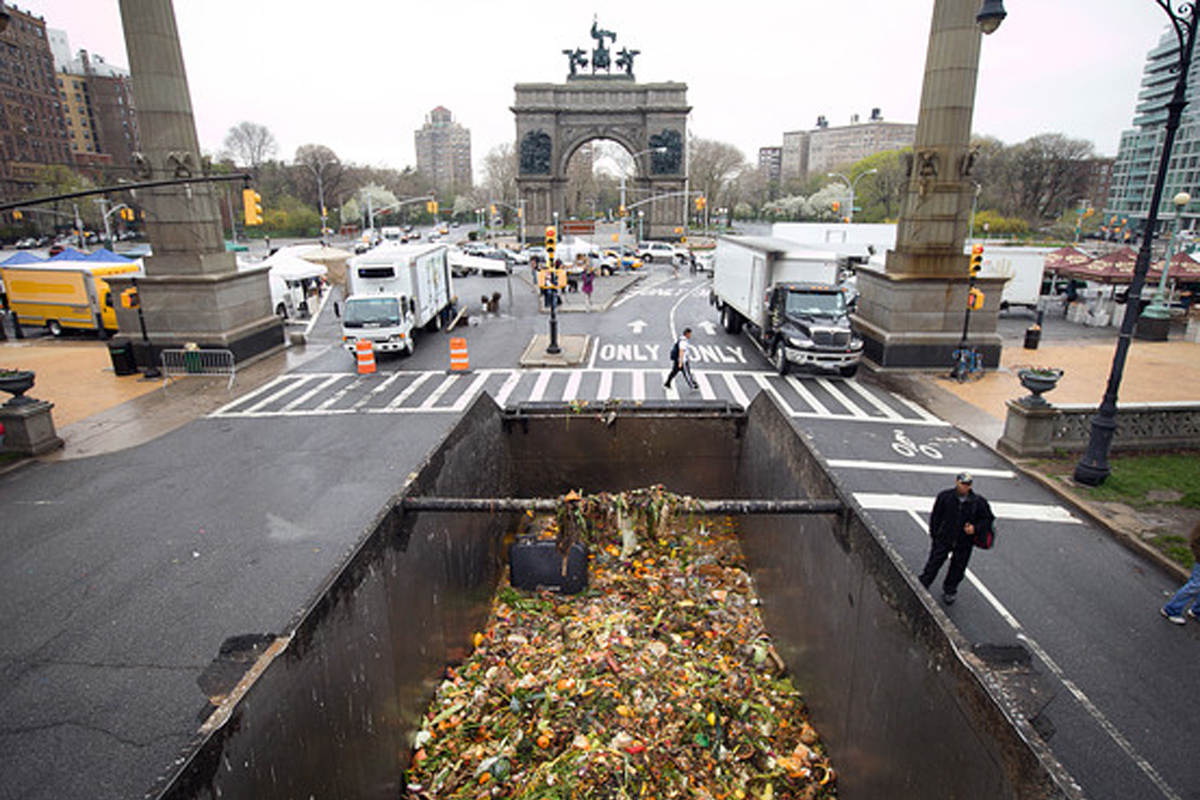
While these projects are still in the works, other projects such as the curbside organics collection program have proved successful throughout the city.
In the past two years new and existing initiatives, fueled by the Department of Sanitation New York (DSNY), have facilitated more diversion of recyclables, organics, electronics, textiles and other items to help continue progress for the zero waste plan.
“Our air will be cleaner, our streets will have less traffic, carters won’t inefficiently crisscross the city, and customers will receive more reliable service … these changes will be incorporated over several years,” reads the report.
Now, with the largest curbside organics collection program in the country, New York aims to expand access to an average of 3 million residents by the end of 2017. In addition to the expansion, recycling programs are now existent in 122 public schools and available to the city’s housing residents for the first time.
Diversion requirements for commercial recyclables have also been updated to match residential rules.
While the city seems to have a set plan of action and time frame for zero waste goals, it’s not yet noticeable if the plan will be able to aid in the more than 6 million tons of residential and commercial waste generated in New York annually.
With a steadily growing population and ultimately a steady pollution rate, the set zero-waste plan may need to continue to adapt its efforts.
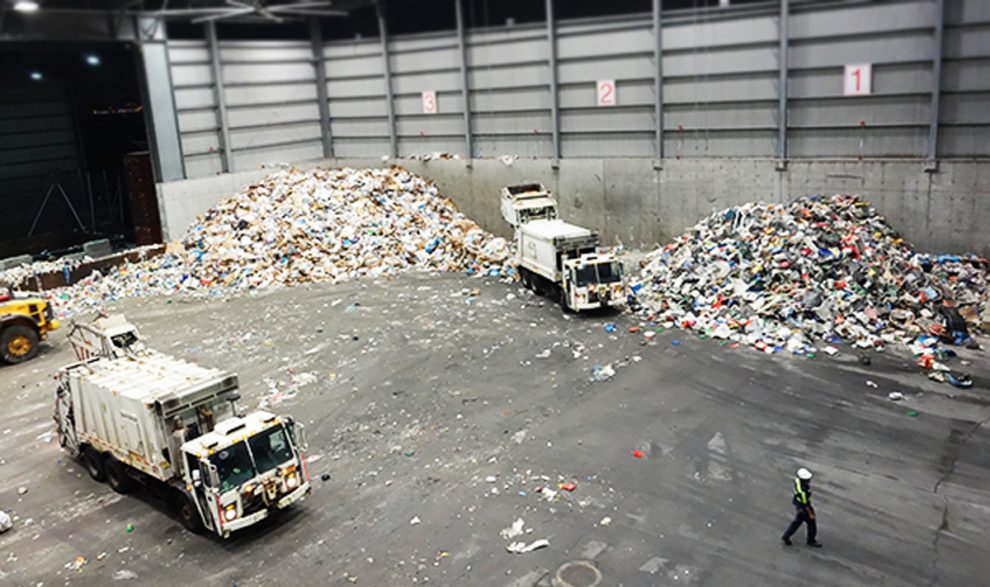
As a means of moving forward, the zero-waste plan has shifted toward single-stream recycling by 2020. Single-stream recycling is a system in which all paper fibers, plastics, metals and other containers are mixed together in a collection truck.
The process will likely increase capture rates throughout the city, however as a form of long-term waste elimination efforts may need to be more aggressive to keep up with population growth and utilization of long-distance landfills.
Though progress has been slower than expected, efforts and initiatives continue to make advancements in garbage elimination rates across the city.
Regardless, the main goal for the city, Mayor Bill de Blasio and the Department of Sanitation New York continues to be to “rethink garbage in groundbreaking ways that treat it as a resource for creating products, energy and a greener city.”
Via:WasteDive





Add Comment