
 Aleksandra Scepanovic
The most manifest difference between interior design and staging a listing is the difference in the audiences they address. Interior designers work closely with clients to achieve a specific style, an individualized look for a home in which one single client — with a particular set of needs and wants — can enjoy living.
Staging, however, is about appealing to a wide swath of potential homebuyers. Understanding the demographic profile of those who might buy the home can lead to a vastly different design concept than one intended for someone who already lives there.
Trendy design elements are more at home in the realm of interior design than in staging. When approaching a staging project, consider the best way to highlight the assets of the space, not pushing the envelope of modern art. More often than not, you’ll rely on a simple framework for timeless and luxurious design.
European design trends have significantly influenced both the historic and contemporary understanding of “luxury” in the United States, so don’t be afraid to draw from a European aesthetic. Focus on antiques and classic art pieces. Pay attention to symmetry, and showcase the home’s architectural details.
That said, traditional European design has its pitfalls. There’s an emphasis on rich, dark colors, an overabundance of woodwork throughout the home and a preference for heavily decorated and ornamented spaces. You could end up staging for a period home. Ultimately, the aim is to balance new and old to create that timeless look in a transitional style.
The next time you’re faced with a staging project, and you have a space that requires a clean and luxurious look, keep in mind the following.
Lighting
Lighting is one of the most critical components in defining a sense of space, and there are many different options available.
Keep it simple and traditional. LED lighting is highly energy-efficient but is also ultra-modern, and CFL lights are closely associated with institutional settings. Incandescent light bulbs, with their yellowish cast, easily set the stage for a traditional yet luxurious design.
Colors
The reason that most stagers settle for a neutral color palette is both deceivingly simple and quite complex. The simple reason is that, to appeal to the largest possible audience, it’s safer to stick with neutral colors. Whites, creams and grays — and sometimes beiges and browns — are clean and inoffensive.
The more complex reason is that the goal is to create a neutral envelope for a space. You want to showcase the ways in which the life happening inside the home will provide the color. You want potential buyers to feel like they have a role in finishing the space, and you are handing them a clean piece of paper with spaces to fill in with life and color.

Patterns
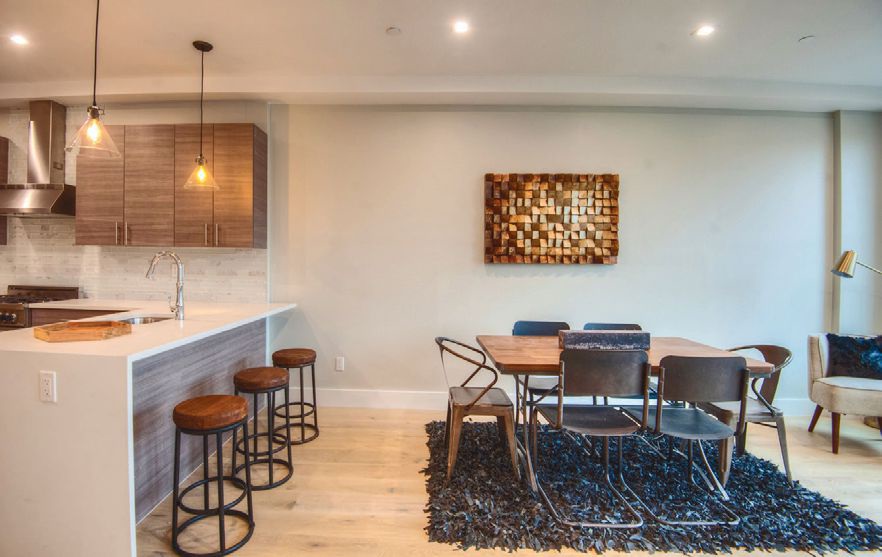
When it comes to patterns, nothing is more timeless than an oriental rug. Woven carpets have always been a mainstay of interior design and luxury staging.
It’s not only the great beauty of a rug’s design, but also the time and effort that goes into producing it that make the choice a stager’s go-to. Traditional oriental rugs are handmade, using luxurious materials such as yarn or intricate pieces of cloth, leather or unspun wool. Each rug, even if the design scheme is generally the same, is unique. The singularity of an oriental rug’s contribution to the overall design of a space ensures that it will always have a role to play in luxury staging and interior design.
Textures
Our lives are textured, and when we walk into a living space, we expect to see some of those textures reflected in the design. When you stage a home, your job is to entertain the eye and help potential buyers understand that they would be able to live comfortably there.
Use natural materials to bring in textures that a wide variety of potential buyers can relate to, such as wood or stone or even natural fibers used in macramés. Contrast something flat and unassuming, like an antique chair that isn’t patterned, with a bold, textured throw blanket to liven up the space and help buyers see how their lives will fit into and fill the home.
Furniture
Finding and placing antique pieces will always be critical to a successful luxury staging practice. Buyers will always like antiques because they are old and because they perfectly embody the older, traditional style that most associate with luxury.
There are modern pieces that imitate these styles, but buyers always like to see the real antiques, especially given the trend toward buying homes with the staged furniture included.
Appropriate scaling for luxury staging and design can be counterintuitive. Antique pieces tend to be on the petite size, given that average height and weight have increased over the past century. Lean into the slightly smaller size, and don’t overstuff a room with too many pieces because you’re worried a smaller, antique chair doesn’t fill the space the way a larger one would. Consider pieces and placements that complement the home’s structure and architectural lines, and use colors, patterns and textures to contrast neutral backdrops.
Art & Decorative Objects
Art is deeply personal, and a good interior designer will work closely with a client to find pieces that speak to them and the overall design of the home. A good stager, especially in a luxury home, will stick with time-tested pieces of art that evoke the great Western masterpieces. Anything too avant-garde, and you may lose the buyer and attract an art lover instead. Think of the many variants that evoke the work of the grands: Matisse or Monet or, if you go more modern, Warhol or Basquiat. If the art on the walls is the most interesting element of a space, consider swapping it out for something a little less attention-grabbing. In an open house, art and other decorative pieces are meant to further enhance a space, not sell at auction.
Ultimately, staging a home is about creating a clean and welcoming environment for potential buyers. Creating a timeless and luxurious feel is simple enough to do — and always worth the effort.