




Will Influencer Brands Be What Revives Big-Name Retailers?
Influencers. They’re everywhere these days—all over your social feeds, in almost every commercial or ad you view, in the stores you shop at regularly. And it’s hard to bring up the topic of marketing without discussing the major drawing power of influencers.
But what will the state of influencers be like in 10 years? What’s going to happen when influencers are a thing of the past? Or when influencers turn 40 and don’t want to take a selfie in their favorite #sponcon beauty product anymore?
It seems that many influencers are finding the answers to these questions, and are preparing for this unknown future, by creating their own brands. And retailers, who have been struggling in the recent landscape, are responding by thinking beyond influencer marketing and collaborating with influencers on exclusive products and/or providing a selling platform for their brands.
“While it’s important to still engage with brands, it’s also about how much the influencer chooses to push their own brands, which is a choice depending on their goals and how involved they want to be,” top influencer agent Jennifer Powell told Forbes.
Celebrities have done plenty of collaborations with retailers in the past—think Lauren Conrad for Kohl’s, Victoria Beckham x Target, and Ivy Park for Topshop by Beyoncé—so collaborating with influencers (aka the new celebrities) seems like a smart move for retailers.

Possibly the biggest success story in working with influencer brands, and a pioneer in this still relatively new space, is Nordstrom. Nordstrom looked at past celebrity collaborations, analyzed what worked and what didn’t, and took what they learned to develop even more meaningful partnerships with influencers and their products.
“We recognized the positive response from customers [to these collaborations] and were deliberate in seeking out similar collaborations with influencers our customers know and love,” Tricia Smith, Nordstrom’s EVP and GMM for Women’s Apparel, told Fashionista. “It’s exclusive partnerships like these that allow us to continually bring newness to our customers and give them a sense of discovery.
Nordstrom started its roster of collaborations with street style stars Caroline Issa (of The Coveteur) and Olivia Palermo in 2015 and 2016, respectively. It then went on to become the official launch partner for Khloe Kardahian and Emma Grede’s denim line Good America later in 2016, and now carries Kristen Cavallari’s brand Uncommon James, Julia Engel’s Gal Meets Glam collection, and WeWoreWhat and Lulu DK’s controversial jewelry collection.
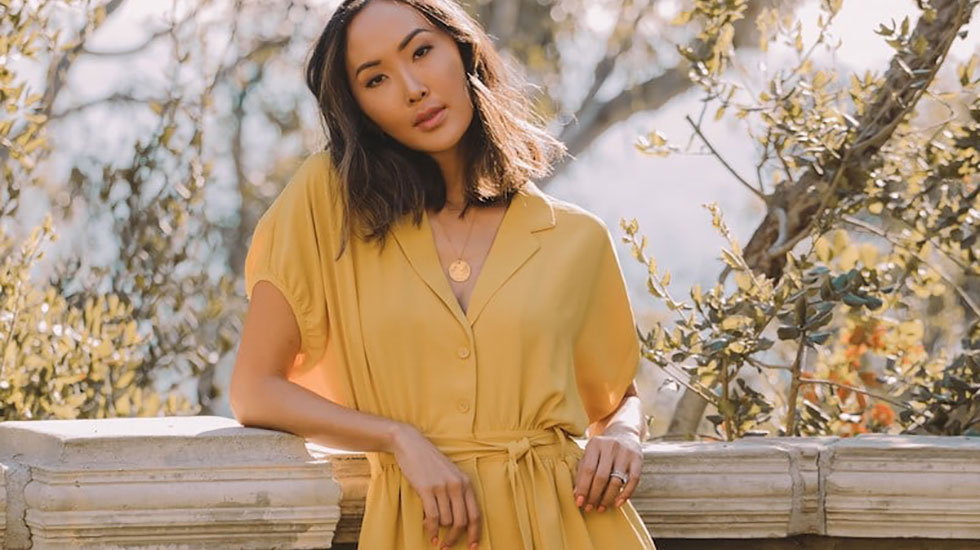
But the launch that has arguably been Nordstrom’s most hyped up, and the most indicative of where this space is headed, was the Something Navy x Treasure & Bond collaboration last September. Arielle Charnas’s line reportedly brought in $1 million in sales in less than 24 hours when it debuted. And this fall, Nordstrom is planning on exclusively launching the standalone Something Navy brand. It is also following this same protocol with Chriselle Lim—it launched the Chriselle Lim x J.O.A. collaboration in March, with plans to launch a full-fledged Chriselle Lim line this month.
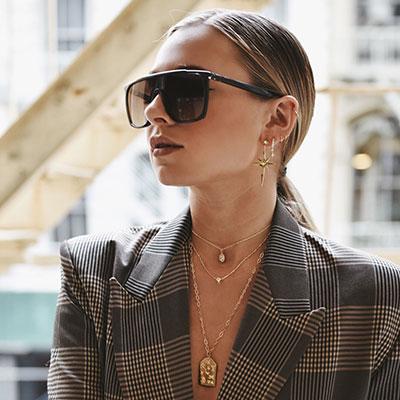
Nordstrom isn’t the only legacy retailer that is racking up its influencer brands roster. Barneys also hopped on the influencer collaboration train pretty early, bringing on fashion consultant Yasmin Sewell and Oklahoma City Thunder guard Russell Westbrook to make collections. Barneys also made influencer-designed products an integral part of the lineup at its experiential event, The Drop, in June in Los Angeles. They included Emrata x Spinelli Kilcollin, WeWoreWhat x Onia, and shoes designed in collaboration with Jordyn Woods and Justine Skye.
Obviously, an influencer’s personal social media following and engagement is a huge part of what makes these brands successful and attractive to retailers, but it’s not just because social media provides easy platforms on which they can promote their brands. “Through social sharing and polls on influencers’ platforms, we’ve been able to receive real-time feedback on the design process, inviting them to be a part of the fashion journey in a way that has never been done before,” says Smith. “For example, Arielle Charnas of Something Navy has been sharing fabric swatches and design elements from her upcoming brand launch with her audience over the past few months. We have been able to consider customers’ feedback and edit accordingly.”
While influencer brands still remain a pretty small portion of retailer’s overall offerings, it’s highly likely we’re going to see a lot more influencers developing products in the future. Digital Brand Products, the licensing arm of influencer management agency Digital Brand Architects, is behind a lot of them, including Gal Meets Glam and Something Navy, with many more in the pipeline.


Add Comment