



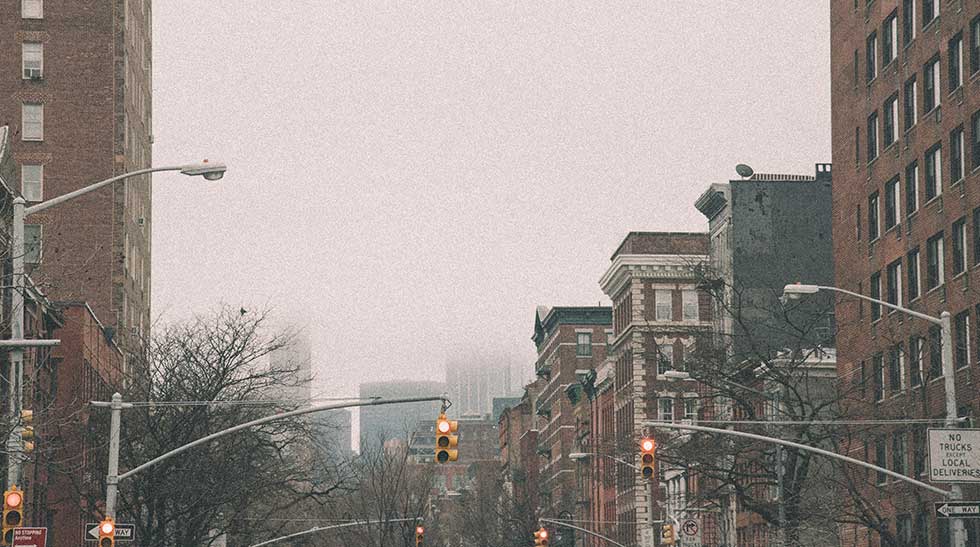
When the New York City Rent Guidelines Board (RGB) voted on rent increases for one million rent-stabilized apartments in the five boroughs at the end of June, the Board had the opportunity to implement a market correction. Instead, the RGB, which is supposed to operate independently of City Hall influence, for a fifth consecutive year prioritized Mayor Bill de Blasio’s political agenda by voting for a woefully inadequate 1.5 percent rent increase on one-year leases.
The RGB overlooked the fact that while it was providing historically low rent increases totaling 2.25 percent in the previous four years—which included two consecutive years of rent freezes—de Blasio raised landlords’ property taxes by 31 percent, and building operating costs of owners of rent-stabilized properties increased in excess of 16 percent during that same period.
It was time to play catch up. It was a time for the RGB to return to a reasonable balance between owner and tenant interests. The findings of the RGB’s own reports begged for a modest rent increase of at least 4 percent for a one-year lease. But once again, the de-Blasio-appointed RGB fell far short and failed miserably at providing landlords the income they need to repair, maintain, and upgrade apartments.
Over the past five years of the de Blasio Administration, the traditional metrics have been disregarded because the critics claim that these metrics only consider owners’ costs and not the affordability issues confronting the tenant population that falls within a certain economic spectrum. But rent stabilization was never intended to be a rent subsidy program.
The RGB’s mandate and obligation is to enact rent guideline increases that are necessary to preserving rent-stabilized housing stock—and that means providing owners with a fair and equitable rent increase to repair, maintain, and improve their properties in order to provide quality housing to their tenants. The protections afforded to tenants by the rent stabilization law are the limitations on the level of permissible rent increases set by the RGB, and not the precise level of rent increases.
We clearly understand the plight of low-income tenants, but landlords should not be asked to shoulder the burden of income-challenged tenants. That’s the government’s job. What other private industry has its income regulated by government and is saddled with annual increases in government-mandated costs (real estate taxes, water and sewer rates, etc.), then is forced to subsidize consumer costs?
Why wouldn’t the State Assembly, City Council, and tenant advocates support an income-driven rent subsidy program for all tenants—for which a template exists in the existing senior citizen and disabled rent increase exemption programs? Or perhaps the city could model a rent subsidy program after its recently enacted half-price MetroCard initiative for straphangers earning $25,100 or less annually.
Who are tenant advocates really protecting? According to the U.S. Census Bureau, 168,000 tenants with annual salaries of $100,000 to $150,000 are occupying 20 percent of the City’s rent-stabilized apartments. But 172,000 families whose annual incomes are below $25,100 can’t find affordable housing. This data validates the irrationality and misguided conceptions of the RGB, which has reached far beyond its mandate to impact affordability without any reference or consideration of tenant incomes and ability to pay.
The RGB had the opportunity to right the ship this year—to fulfill its mission of maintaining the economic health of the regulated rental housing industry by authorizing rent increases to meet the ever-increasing operating costs that the board has fundamentally ignored for four consecutive years. The RGB’s current approach is unsustainable.
The vast majority of the city’s rent-stabilized apartments are in buildings well over 75 years old and in constant need of maintenance, repairs, and upgrades. Choking landlords’ primary income denies them the resources needed to keep up with these costs and repairs. In addition, landlords pay close to 50 percent of the rent towards property taxes, water and sewer rates, and other city mandates—which translates into revenue totaling billions of dollars that pays for police, fire, sanitation, and other municipal services. It’s an economic engine the city can ill afford to lose.
But if the RGB continues to deliberately ignore the facts and, instead, prioritizes the misguided, ill-conceived, politically driven agenda dictated by de Blasio, pull up a chair and get a front-row seat to the largest segment of quality, affordable housing falling into abandonment and deterioration.
Joseph Strasburg, President
Rent Stabilization Association
123 William Street, 14th Fl.
New York, NY 10038
212-214-9235





Add Comment